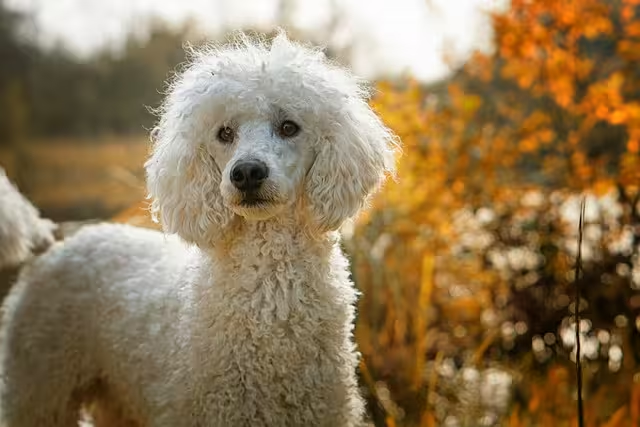

Hot spots, also known as moist dermatitis, are irritated, itchy patches on a dog’s skin. Dogs often exacerbate these areas by excessive licking or scratching, which can lead to inflammation and infection. Hot spots are most often secondary to dry skin, allergies, or insect bites. Early intervention is critical for comfort and prevention of infection.

Dog treats can play a supporting role in skin health management through nutrition benefits that support the wellness of the coat and skin.
Understanding Hot Spots
What are hot spots?
The hot spots represent small areas of skin inflammation, which can very rapidly advance to form large patches if left untreated. Dogs usually scratch or lick these patches continuously.
Common Causes
- Allergies (food, environmental, seasonal)
- Fleas or ticks
- Dry skin due to winter or low humidity
- Infections or underlying medical conditions
Symptoms to Watch For
- Red, moist, or oozing lesions
- Itching or irritation
- Hair loss at the site of injury
Top Tips to Manage Hot Spots
Clean the Area Immediately
- Clean the affected patch gently with a mild antiseptic solution.
- Pat dry to avoid further accumulation of moisture, which aggravates the condition.
Licking and Scratching Prevention
- Consider using an Elizabethan collar or protective clothing.
- Keep dog treats on hand to refocus attention and to reward calm behavior.

Skin Hydration
- Add Omega-based foods or dog treats prepared using fish oils.
- Avoid excessive baths, which strip the skin of its natural oils.
Consult Your Vet for Medications
- Topical antibiotics or anti-inflammatory creams may be prescribed.
In severe cases,
- Oral medications may be necessary. Preventive Measures
Choose High-Quality Dog Treats
- Treats made from natural ingredients, such as chicken, beef, or turkey, are good sources of nutrients.
- Avoid plastic wrappers; instead, go for sustainably sourced packaging.
Balanced Diet
- Make sure your dog is receiving skin-friendly vitamins and fatty acids in his diet.
- Include daily treats and chews to help support coat and immune function.
Regular Grooming
- Keep the coat clean and without mats.
- Brush daily to remove loose hair and distribute skin oils.
Home Remedies for Hot Spots
- Apply a cool compress for 10 minutes.
- Use odor-free bully sticks as distractions to deter dogs from licking.
- Use dog treats to incorporate small amounts of natural supplements.
- Use mild oatmeal shampoos.

Recommended Dog Treats for Skin Health
| Treat Type | Key Ingredient | Skin Benefit | Recommended Frequency |
| Fish-based chews | Omega-3 fatty acids | Moisturizes skin | 2-3 times/week |
| Chicken jerky | Protein | Supports coat health | 3-4 treats/day |
| Beef liver bites | Vitamin A & B | Promotes healing of lesions | 1-2 treats/day |
| Turkey sticks | Protein & zinc | Reduces itchiness | 2 treats/day |
Practical Lists for Hot Spot Prevention
Foods That Help Skin
- Salmon
- Chicken
- Beef
- Turkey
- Fish oil
Dog Treats That Support Skin
- Natural chicken jerky
- Beef liver bites
- Fish-based treats
- Turkey sticks
- Bully sticks
Daily Grooming Tips
- Brush the coat daily
- Check for scratches or irritation
- Trim nails to avoid scratching.
- Clean ears regularly
- Bathe with mild shampoos.

Environmental Tips
- Use a humidifier in winter
- Keep floors clean of allergens
- Avoid plastic feeding bowls
- Use allergy-free bedding.
Training Tips
- Reward calm behavior with dog treats
- Redirect attention from hot spots
- Teach basic commands to discourage licking
Signs Hot Spots Are Worsening
- Increased redness
- Swelling or pus
- Hair loss around the patch
- Odor from infection
Vet Consultation Checklist
- Document affected areas
- Note changes in behavior
- Provide diet and treatment information
- Ask about topical or oral treatments
Treat Storage & Safety Tips
- Keep treats in airtight containers
- Avoid exposure to heat and moisture
- Check expiration dates regularly.

Conclusion
Hot spots in dogs can be painful and get worse quickly without attention. Owners can minimize the occurrence of hot spots and keep dogs comfortable through good nutrition, using dog treats that incorporate positive ingredients into their formula, good grooming techniques, and the involvement of a veterinarian as needed. Prevention, nutrition, and quick action are paramount.