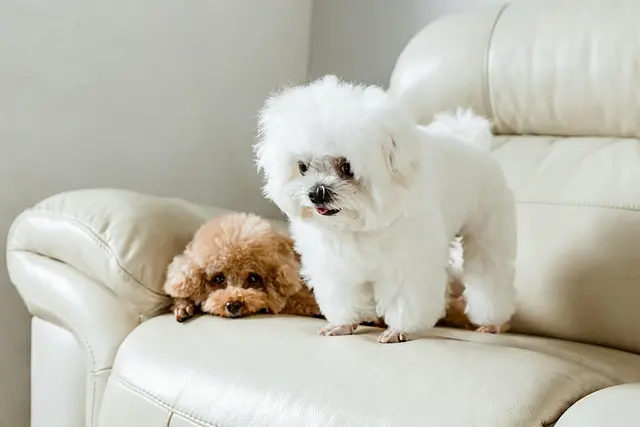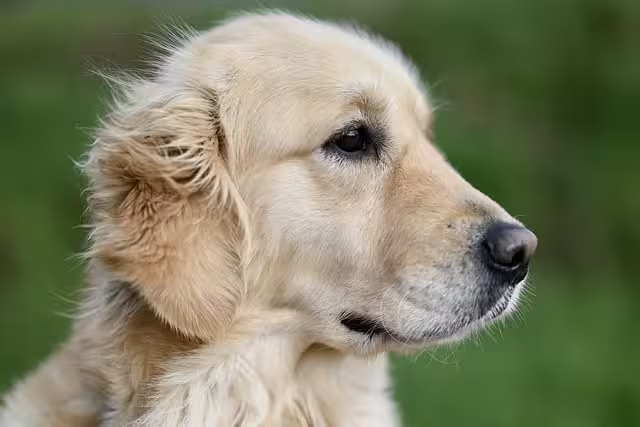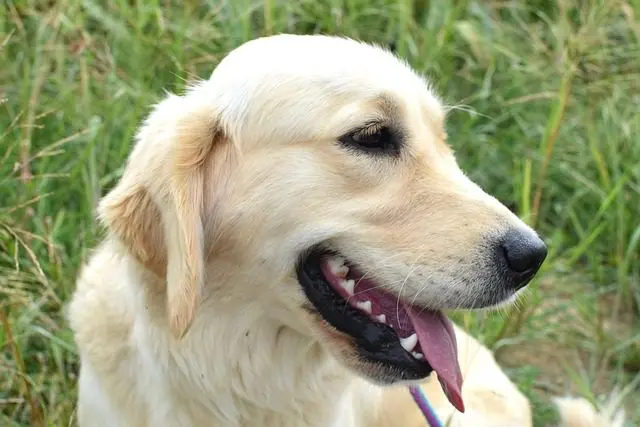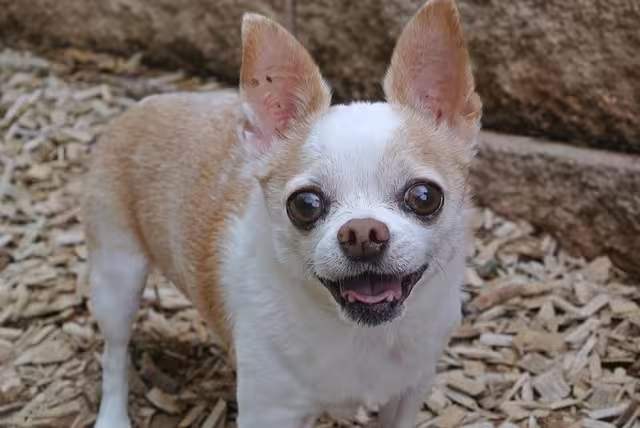
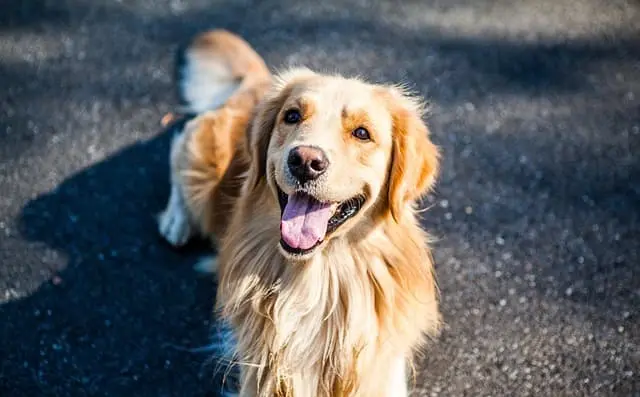
The mental image is classic: a retriever, attentive and prepared, willingly placing a retrieved item into the handler’s hand. This innate capacity explains the immense popularity of breeds such as the Labrador, Golden, and Chesapeake Bay Retrievers. However, attaining this level of polished proficiency needn’t involve compulsion or pressure. Modern, superior retriever training is built upon shared effort, positive affirmation, and comprehension of canine behavior. This detailed handbook guides you through non-coercive techniques to cultivate your retriever’s inherent talents, resulting in a joyful, self-assured, and highly capable dog. Whether your aspiration is flawless garden retrieving or preparation for competitive events, this methodology fosters a lifelong connection.
The Guiding Philosophy of Non-Coercive Retriever Work
Cooperation-based training is an evidence-backed system where desirable actions are acknowledged and reinforced, prompting the dog to act voluntarily and thoughtfully. It strictly excludes the utilization of discomfort, fear, intimidation, or deterrent implements.
Rationale for Cooperation-Based Training Excelling with Retrievers
Retrievers are widely recognized for their gentle nature—keen to perform but susceptible to harsh feedback. Severe reprimands can undermine their confidence, whereas enthusiastic commendation amplifies their eagerness. Their natural retrieving inclination is a gift; gentle methods nurture this trait instead of stifling it with compliance motivated by apprehension. This framework reduces behavioral challenges such as gripping too tightly (“hard mouth”) or refusing to deliver, since the dog associates the entire retrieval sequence with pleasant outcomes.
Foundational Tenets of This System
- Positive Reinforcement: Identifying and rewarding (using edibles, toys, or compliments) the precise instant your dog exhibits the desired conduct.
- Shaping: Decomposing intricate behaviors (like a complete retrieve) into minimal, manageable increments.
- Cultivating Drive: Employing play, motivation via resources, and the handler’s own energy to boost the dog’s desire to engage constructively.
- Mutual Reliance & Alliance: The dog collaborates *with* you, rather than adhering solely to evade unfavorable results.
Establishing the Base: Crucial Foregone Skills
Before introducing any training aid or bird, these fundamental competencies must be firmly established using positive reinforcement.
Creating the Affirmative Signal with Marker Language
A marker (either a clicker or a fixed verbal sign like “Yes!”) serves as your critical communication link. It informs the dog, “That precise action is what precedes the reward.” Condition your marker by clicking and immediately providing reinforcement, repeatedly, until the sound instantly captures the dog’s attention.
The Essentials That Cannot Be Waived: Focus, Return, and Self-Restraint
- Focus/Attentiveness: Teach a directive to maintain eye contact (“watch me”). A dog that frequently checks in with its owner is receptive to learning.
- Unwavering Return: This is paramount for safety. Practice in environments with minimal external distractions, utilizing highly valued rewards, and never penalizing a belated return.
- Impulse Management: Commands such as “leave it,” “wait,” and maintaining a steady “hold” are fundamental for controlled retrieving. Employ exchanges (offering a treat in return for an item) to foster positive associations with relinquishing objects.
The Gentle Retrieve: A Phased Implementation Plan
This procedure carefully constructs the retrieval action starting from the final step backward—a pedagogical method known as “back-chaining.”
Phase 1: Making the “Hold” a Pleasure
Disregard fetching initially. Begin by ensuring that gripping an object becomes an exceptionally enjoyable activity.
- Present a pliable dummy. Mark and reward any sign of engagement (a nose touch or a short sniff).
- Incrementally shape the behavior until the dog willingly mouths the object. Click! Reward!
- Extend the duration: hold for one second, then two, then five. Reinforce often.
- Introduce your verbal direction, “hold,” only once the behavior is dependable.
Phase 2: The “Release” or “Out” Command
The handler must offer something more reinforcing than the object in hand.
- While the dog is holding the item, present a premium treat directly near its mouth.
- The instant the dog relinquishes the dummy to accept the treat, provide positive reinforcement (mark with “Yes!”) and deliver the treat.
- Incorporate the direction “give” once the action becomes predictable.
- Rehearse this exchange repeatedly until it flows smoothly and happily.
Phase 3: Incorporating the “Fetch” (Retrieval from Ground)
Next, place the dummy on the floor.
- Point toward it or encourage investigation. The moment the dog picks it up, mark and reward.
- Once picking it up is consistent, require a brief “hold,” followed by the reward.
- Progressively increase the physical space between you and the dummy when the dog initiates the pickup.
Phase 4: Completing the Chain and Extending Range
You have already taught the final parts of the sequence (hold, give). Now, append the initial component.
- With the dog seated at your side, toss the dummy a very short distance (e.g., twelve inches).
- Use an animated tone to encourage the chase and subsequent retrieval.
- As the dog picks it up, prompt it to turn back toward you. Mark that return motion.
- Upon arrival, cue your already established reliable “hold” and “give.” Praise enthusiastically!
Elevating the Activity: Introducing Nuances
Once the rudimentary fetch is performed with enthusiasm and reliability, increased refinement can be introduced.
Maintaining Stillness and Directional Cues
- Steadiness (Waiting for the Handler’s Signal): Develop this incrementally from your existing “wait” prompt. Gradually increase the length of time and the level of environmental stimulation. A steadily trained dog waits because the release signal anticipates something fun, not out of concern for a penalty.
- Directional Commands (Forward, Backwards, Left, Right): Commence in proximity. Toss a treat in a specific vector while naming it (e.g., “Over!”). Once the dog understands the significance of the word, apply this command to a bumper sent in that direction. This becomes an enjoyable problem to solve for them.
Introducing Water and Varied Materials
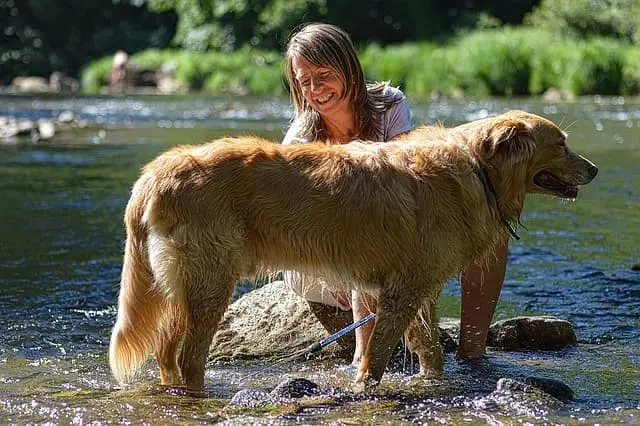
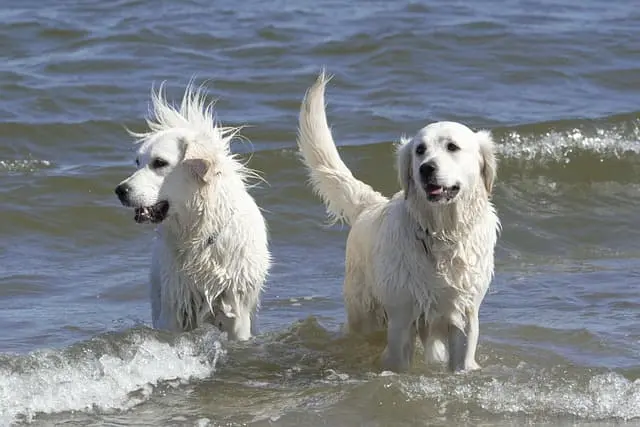
Ensure every introduction is framed positively. Allow the dog to initially wade and play in shallow water without training articles. Use a buoyant dummy and express great delight when the dog makes contact with it. Never force a dog into water.
Resolving Typical Retriever Training Sticking Points
- Dog Refuses to Relinquish the Item: You advanced too quickly. Return to Phase 2. Employ higher-value incentives for the exchange. Never escalate to pulling or tugging.
- Dog Flees with the Bumper: This signals avoidance. Your “give” command may have become associated with negative anticipation, or your recall lacks certainty. Revert to groundwork in a low-distraction setting (even indoors) and re-establish the pleasure of returning to you.
- Diminished Interest/Engagement: Identify a superior reward. Is it premium cooked meat? A cherished tug toy? Additionally, keep training intervals very brief (five minutes) and conclude while the dog is still eager. Guarantee they desire more.
- “Hard Mouth”: This is frequently a result of excessive arousal or perceived strain. Utilize softer training dummies or specialized retrieving aids (dokens). If the grip is too forceful, the game quietly concludes (no reward given). Mark and reward gentler mouth contact and holding.
Equipment and Reinforcers for Succeeding with Gentle Methods
- Markers: Clicker device or a consistently used verbal affirmation.
- Rewards: Highly desirable, pliable food items (cheese, sausage, premium retail training bites), a favored tug object, or the dummy itself if it evolves into a potent motivator.
- Training Aids: Commence with soft, light dummies. Progress to tokens, canvas bumpers, and ultimately bird wings or initial feather exposure.
- Long Leash (10-15 Feet): For security during early return practice in open areas, not for imposing corrections.
- Your Own Energy: Your voice modulation and playful disposition are your most potent teaching instruments.
Summation: An Alliance Built on Trust
The peak of retriever instruction does not aim to fabricate an automaton responding from fear. Instead, it strives to unleash the dormant capacities within your canine associate via clear dialogue, perseverance, and shared enjoyment. The non-coercive path might necessitate careful analysis of issues, but the outcome is a Retriever who works with genuine zeal and a bond that surpasses the confines of the field. Your dog’s natural urge to retrieve is a gift; respect it with an instructional philosophy that builds assurance, nurtures motivation, and celebrates every milestone achieved jointly. Start with the fundamentals, acknowledge minor triumphs, and observe as your gently trained retriever develops into the outstanding companion nature intended.
Actionable Summary Points:
- Start Indoors: Initiate all new learning concepts within a controlled, low-distraction space like your living area.
- Keep Sessions Brief and Positive: Five minutes of affirmative work surpasses one lengthy, discouraging session.
- Engineer for Triumph: Manage the surroundings so your dog naturally defaults to the correct action.
- Prioritize the Bond: If you start feeling irritated, conclude the session with a simple, enjoyable known trick. Never finish negatively.
- Pace Based on the Dog: There is no fixed schedule. Strong, happy groundwork holds more value than any hastily acquired advanced skill.
Frequently Asked Questions Regarding Non-Coercive Retriever Instruction
Isn’t force-free training merely manipulating the dog with food rewards?
No. Initially, facilitators (lures and rewards) are employed to communicate and stimulate action. Over time, the behavior itself becomes intrinsically satisfying, and food rewards are delivered intermittently. The true incentive gradually shifts to the privilege of working and interacting alongside you.
Will this technique be effective for a dog lacking any innate retrieving drive?
Yes. Although the process is more gradual with breeds not specifically selected for retrieving, the shaping method (marking and reinforcing tiny steps towards picking up and holding an item) can teach retrieval proficiency to any dog. The crucial elements are patience and identifying the correct motivator.
My older retriever was trained using conventional methods. Can I transition to a cooperative approach?
Certainly. Dogs retain the capacity to learn throughout their lives. You might need to re-establish confidence and positive links, particularly concerning the “give” command, if it was previously associated with coercion. Revisit the foundational exercises. Many older dogs thrive under the positive methodology.
How long is the typical commitment required for a reliable, gentle retrieve?
There is no universal timeline. A highly driven puppy receiving short daily sessions might master a basic fetch within several weeks. Achieving a steady, controlled retrieve involving directional accuracy can necessitate many months or even years of consistent, positive repetition. The process itself constitutes the objective.
Is it truly possible to train for hunting or competitive standards without using force?
Yes. A growing population of successful field trial participants and working hunters employs entirely or predominantly positive training strategies. This focuses on developing robust, sustained drive and fostering a cognitive dog that genuinely enjoys its occupation.