Every dog owner has been there — deep in a couch cuddle when something distinctly dog drifts past your nose. Or you hear the telltale click of overgrown nails on hardwood. Or you run your hand through your pup’s coat and feel the unmistakable resistance of a mat they’ve clearly been trying to avoid lying on. These small moments are quiet reminders that grooming isn’t a luxury — it’s care.
The pet grooming industry reflects just how seriously owners are taking that responsibility. Worth nearly $19.5 billion globally and growing at 7–9% annually, the market’s expansion isn’t driven by aesthetics alone. It’s driven by a shift in how people think about their pets’ wellbeing. Grooming has moved from the “nice to have” column firmly into the “essential health habit” one — and for good reason. A well-groomed dog isn’t just cleaner. They’re more comfortable, less prone to preventable health issues, and by most measures, happier.
This guide covers everything — from the tools you need and how often to use them, to breed-specific advice, common mistakes, and the latest trends reshaping how we think about keeping our dogs clean and cared for.
Why Dog Grooming Is More Important Than Ever
Grooming supports overall health
Every grooming session is a health check in disguise. When you brush your dog’s coat, trim their nails, or wipe out their ears, you’re doing more than tidying them up — you’re getting hands-on with their body in a way that makes it easy to notice when something’s off. A new lump, a patch of irritated skin, a wound hidden beneath the fur, early signs of parasites — these are the kinds of things that get caught during a brushing session, not a quarterly vet visit.
Beyond the inspection itself, regular grooming does real physical good. Brushing stimulates circulation, removes debris, and distributes the natural oils that keep skin healthy and coat resilient. For dogs with longer fur, skipping this routine doesn’t just mean a messier appearance — it means mats. And mats are more than an aesthetic problem. They pull at the skin with every movement, trap moisture against the body, and create the kind of warm, airless environment that bacteria and parasites find very hospitable.

Grooming prevents common skin and coat problems
Of all the grooming-related problems vets encounter, matting is among the most common — and the most avoidable. What starts as a small tangle can quietly worsen between brushing sessions, tightening around limbs until it restricts circulation, or pressing against the skin in ways that hide what’s developing underneath. Ticks, hot spots, and infections can all take hold beneath a mat, invisible until the problem has already progressed. In the worst cases, the mats are so severe and so close to the skin that sedation is the only safe way to remove them.
Consistent brushing prevents all of that — and does something quietly beneficial on top of it. Every pass of the brush moves the coat’s natural oils from root to tip, forming a light protective layer that buffers the skin against environmental irritants and prevents it from drying out. For dogs that deal with allergies, regular grooming adds another layer of relief by removing pollen, dust, and other allergens that accumulate in the coat between baths — reducing the load their immune system has to contend with.
Grooming improves comfort and quality of life
Overgrown nails are uncomfortable. Dirty ears can lead to painful infections. Coat tangles pull at the skin with every movement. Dogs can’t tell you when something is bothering them — but a regular grooming routine means you’re checking in before discomfort becomes distress.
There’s also a behavioral dimension to this. Dogs that are regularly handled — having their paws touched, ears examined, and mouths opened — tend to be calmer at the vet and more trusting of people generally. Grooming, done with patience, is a form of bonding.
Benefits of Regular Dog Grooming
Health benefits
Cleanliness is the visible part of grooming — but the health benefits running underneath it are just as significant. Regular ear cleaning dramatically lowers the risk of infections, particularly in floppy-eared breeds like Cocker Spaniels whose ear canals get little airflow and trap moisture easily. Consistent teeth brushing holds dental disease at bay, which matters more than most owners realize given how directly oral health connects to heart, kidney, and liver function in dogs. And because grooming puts your hands on your dog’s body regularly, skin conditions tend to get caught early — when they’re straightforward to treat rather than entrenched.
Nail trims deserve a mention of their own. Overgrown nails don’t just look untidy — they change the way a dog’s foot meets the ground. That altered contact point shifts weight distribution up through the leg and into the joints, and over time contributes to the kind of postural and orthopedic problems that are far harder to fix than they were to prevent.
Hygiene benefits
A clean dog is simply easier to live with. Regular bathing reduces odors, removes dirt and allergens from the coat, and keeps shedding more manageable. For households with allergy sufferers, this can make a meaningful difference.
Behavioral benefits
Dogs that are regularly groomed from puppyhood tend to be more relaxed and cooperative during handling. The routine itself can be calming — many dogs genuinely enjoy the attention and physical contact of a good brushing session, especially when it’s done gently and consistently.
Appearance and confidence
There’s nothing superficial about wanting your dog to look good. A well-maintained coat, clean ears, trimmed nails, and bright eyes are visible signs of good health. And there’s real value in the confidence boost a fresh groom gives both dog and owner — a dog that looks cared for often carries themselves with a little more ease.
Long-term cost savings
Preventive grooming reduces vet bills. Catching an ear infection early, before it progresses, saves both money and your dog discomfort. Maintaining a mat-free coat means avoiding costly dematting or shaving sessions at the groomer. Regular nail trims prevent orthopedic issues that can require veterinary treatment down the line.
Essential Dog Grooming Supplies
You don’t need a salon’s worth of equipment to groom your dog well at home. A thoughtful, quality kit covers most needs.
Brushes are the foundation of any grooming routine. A slicker brush works for most coat types, a bristle brush is ideal for short-haired breeds, and a pin brush suits longer, wavier coats. For double-coated breeds, an undercoat rake is invaluable.
Combs — particularly a wide-toothed metal comb — help work through tangles after brushing and are excellent for checking that you’ve reached the skin, not just the top layer of the coat.
Nail clippers come in scissor-style or guillotine-style. Either works; choose what feels comfortable in your hand. Many owners prefer a nail grinder for a smoother finish and reduced risk of cutting the quick. Keep styptic powder on hand just in case.
Shampoo and conditioner should always be formulated for dogs — never humans. Human products have a different pH and can strip the skin’s natural protective barrier. Look for gentle, sulfate-free formulas, ideally fragrance-free or with natural scents.
An ear cleaner is essential for breeds prone to ear issues. A simple canine ear cleaning solution and cotton balls (never cotton swabs) are all you need for routine maintenance.
A toothbrush and dog-safe toothpaste round out the kit. Dental disease affects the majority of dogs over age three. Daily brushing isn’t always realistic, but even a few times a week makes a significant difference.
Grooming scissors — blunt-tipped — are useful for trimming around the face, paws, and sanitary areas between full grooms.

How Often Should You Groom Your Dog?
Grooming frequency isn’t one-size-fits-all. It depends on your dog’s coat type, breed, lifestyle, and individual needs.
| Coat Type | Brushing Frequency | Bath Frequency |
| Short Coat | Once a week | Every 4–6 weeks |
| Medium Coat | 2–3 times per week | Every 3–4 weeks |
| Long Coat | Daily | Every 2–3 weeks |
| Double Coa | 3–4 times per week (daily during shedding season) | Every 4–6 weeks |
Short-haired breeds: Breeds like Beagles, Boxers, and Greyhounds are about as low-maintenance as dogs get on the grooming front. Their short, close-lying coats don’t tangle, don’t mat, and don’t demand much beyond a weekly brush to remove loose hair and a bath every four to six weeks to keep things fresh. It’s one of the quieter perks of owning a smooth-coated dog. That said, a simple coat doesn’t mean grooming stops there — nail trims and ear checks are non-negotiable regardless of what’s happening on the surface. Those routines protect your dog’s health in ways that have nothing to do with fur length.
Medium coats — think Border Collies, Australian Shepherds, and Labrador Retrievers — need more regular brushing to prevent tangles and manage shedding. Every two to three days is a good rhythm.
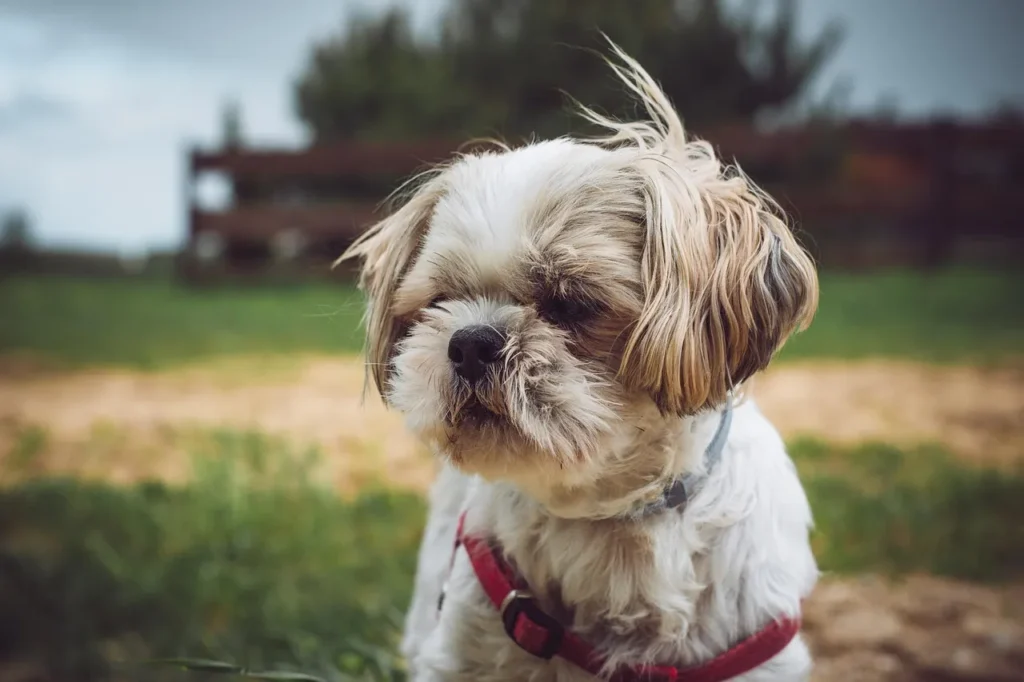
Long-haired breeds: Breeds like Maltese, Shih Tzus, and Yorkshire Terriers are some of the most beautiful dogs to look at — and among the most demanding to maintain. Their long, fine coats tangle easily and mat quickly, which means daily brushing isn’t a suggestion so much as a requirement. Most owners find a rhythm with it, often setting aside a few minutes each evening to work through the coat before tangles have a chance to set. Many also choose to keep their dog in a shorter “puppy cut” between professional trims — a practical compromise that preserves the look without the full daily commitment that floor-length coats demand.
Double-coated breeds — Huskies, Golden Retrievers, Samoyeds, and German Shepherds — have a dense undercoat that sheds seasonally (and sometimes constantly, if you have a Husky). During heavy shedding periods, daily brushing is the only way to stay ahead of it. Never shave a double-coated breed; their undercoat provides insulation against both heat and cold.
Puppies should start gentle grooming sessions early, even before it’s strictly necessary. The goal is desensitization — getting them comfortable with having their paws handled, ears touched, and body brushed before those activities have any real significance. Keep early sessions short and positive.
Senior dogs may need more frequent attention as their ability to self-groom diminishes. Older dogs can also develop skin changes that make certain products irritating. Gentleness and patience matter more than ever.
Step-by-Step Dog Grooming Routine
Brushing
Always brush before bathing — wet mats tighten and become much harder to remove. Work in sections, starting at the head and moving toward the tail. Brush with the grain of the coat, then against it to lift the undercoat. Use your fingers to work through any tangles before introducing the brush.
Bathing
Use lukewarm water — dogs are sensitive to temperature, and hot water can dry out their skin. Wet the coat thoroughly before applying shampoo, then massage from neck to tail. Rinse completely; leftover shampoo is a common cause of skin irritation. A second rinse is rarely a bad idea.
Drying
Towel drying first removes the bulk of the water. If using a blow dryer, use the lowest heat setting and keep it moving — never hold it in one spot. Many groomers use high-velocity dryers designed for dogs that move air rather than heat, reducing the risk of burning sensitive skin.
Nail trimming
Cut small amounts at a time to avoid the quick — the blood vessel that runs through the nail. In dogs with light-colored nails, you can see the pink quick. For dark nails, trim until you see a dark circle appear in the center of the cut surface. If you accidentally cut the quick, apply styptic powder and gentle pressure.
Ear cleaning
Lift the ear flap and apply a small amount of ear cleaner into the canal. Gently massage the base of the ear, then let your dog shake. Wipe away debris with a cotton ball. Never probe deep into the ear canal. If you notice a strong odor, excessive wax, redness, or your dog is scratching at their ear, that’s a vet visit, not a grooming session.
Eye cleaning
Wipe gently outward from the inner corner of the eye with a damp cloth or pet-safe wipe. Tear staining is common in light-coated breeds; specialized wipes or solutions can help reduce staining over time.
Teeth brushing
Use a soft-bristled brush or finger brush and dog-formulated toothpaste (never human toothpaste, which contains xylitol — toxic to dogs). Work in small circular motions along the gum line. Even 30 seconds of brushing a few times a week is far better than nothing.
Coat inspection
End every grooming session with a full body check. Run your hands over your dog’s entire body, feeling for any new lumps, swollen areas, sore spots, or changes in coat texture. Look at the skin itself — redness, flaking, or unusual marks are worth noting. Catching changes early is one of grooming’s greatest health benefits.
Common Grooming Mistakes
Even well-intentioned owners make grooming mistakes. Here are the most common ones to avoid:
- Bathing too frequently. Over-bathing strips the coat of its natural oils, leading to dry, itchy skin. Unless your dog has a medical condition requiring frequent bathing, every 3–6 weeks is usually sufficient.
- Using dull clippers or scissors.A dull blade is one of those grooming problems that’s easy to overlook until you see — or feel — the difference. Instead of cutting cleanly through the coat, a worn blade drags and pulls at the fur, which is uncomfortable for your dog and tends to leave behind an uneven, patchy finish that no amount of technique can compensate for. Replacing blades regularly is a small habit that makes every grooming session noticeably smoother for both of you.
- Brushing too aggressively. A heavy hand with the brush — especially a slicker brush — can cause “brush burn,” a painful irritation of the skin. Use light, consistent strokes.
- Ignoring nails. Overgrown nails do more than make an uncomfortable clicking sound on the floor — they quietly change the way your dog carries themselves. When nails grow long enough to make contact with the ground before the paw pad does, your dog instinctively shifts their weight to compensate. It’s a small adjustment that happens without anyone noticing, but repeated across every step of every walk over months and years, that altered weight distribution puts real strain on joints and gradually works its way up through the legs and into the posture. It’s one of those slow-developing problems that’s almost entirely avoidable with a regular trim.
- Forgetting paw care. The fur between the paw pads can mat and trap debris. In winter, ice and salt buildup can be painful. Trim the fur between the pads regularly and rinse paws after outdoor walks in harsh conditions.
- Ignoring mats. Small mats become large mats quickly. The moment you feel a tangle starting to form, work it out. Never try to brush out a severe mat — use a dematting comb or leave it to a professional.
- Skipping dental hygiene. Dental disease is the single most common health issue in dogs, and it’s largely preventable. Add teeth brushing to your routine — even occasional brushing is better than none.
Professional Grooming vs. Home Grooming
Advantages of professional grooming
There’s a reason professional groomers spend years developing their craft. The tools they work with, the techniques they’ve refined, and the instinct they’ve built for reading a dog’s body language during a session aren’t things that translate easily to a bathroom floor and a YouTube tutorial. A good groomer can work through a coat that would defeat most owners at home, catch the early signs of a skin condition or ear problem that might otherwise go unnoticed, and deliver a breed-specific cut that respects the coat’s natural structure rather than simply shortening it.
They also take on the tasks many owners quietly dread — nail grinding, ear plucking, deshedding treatments that leave the laundry room looking like a snowstorm. For dogs that carry anxiety into grooming situations, a skilled groomer trained in fear-free handling can change the experience entirely. The difference between a dog that shakes through every appointment and one that steps onto the grooming table without hesitation often comes down to finding the right person — and many professional groomers now hold certifications specifically in low-stress technique to make exactly that possible.
Home grooming builds trust. Dogs groomed regularly by their owners from puppyhood tend to be more relaxed during handling by anyone — vets, groomers, strangers. There’s also no transportation stress, no waiting in a crate, and you’re in complete control of products and techniques.
Benefits of DIY grooming
For dogs with straightforward coats, home grooming between professional appointments can significantly extend the interval between salon visits.
Cost comparison
Professional grooming costs vary widely by location, breed, and the services required. In the US, expect to pay anywhere from $40–$150+ per session for a full groom, with larger or more complex breeds at the higher end. Mobile grooming adds a convenience premium, typically $20–$50 above standard salon rates.
Which option is right for your dog?
Most owners benefit from a combination of regular brushing and basic home hygiene, along with professional grooming every 6–12 weeks, depending on coat type. Dogs with complex coats, anxiety, or health conditions may need professional care more frequently.
Breed-Specific Grooming Needs
Poodles
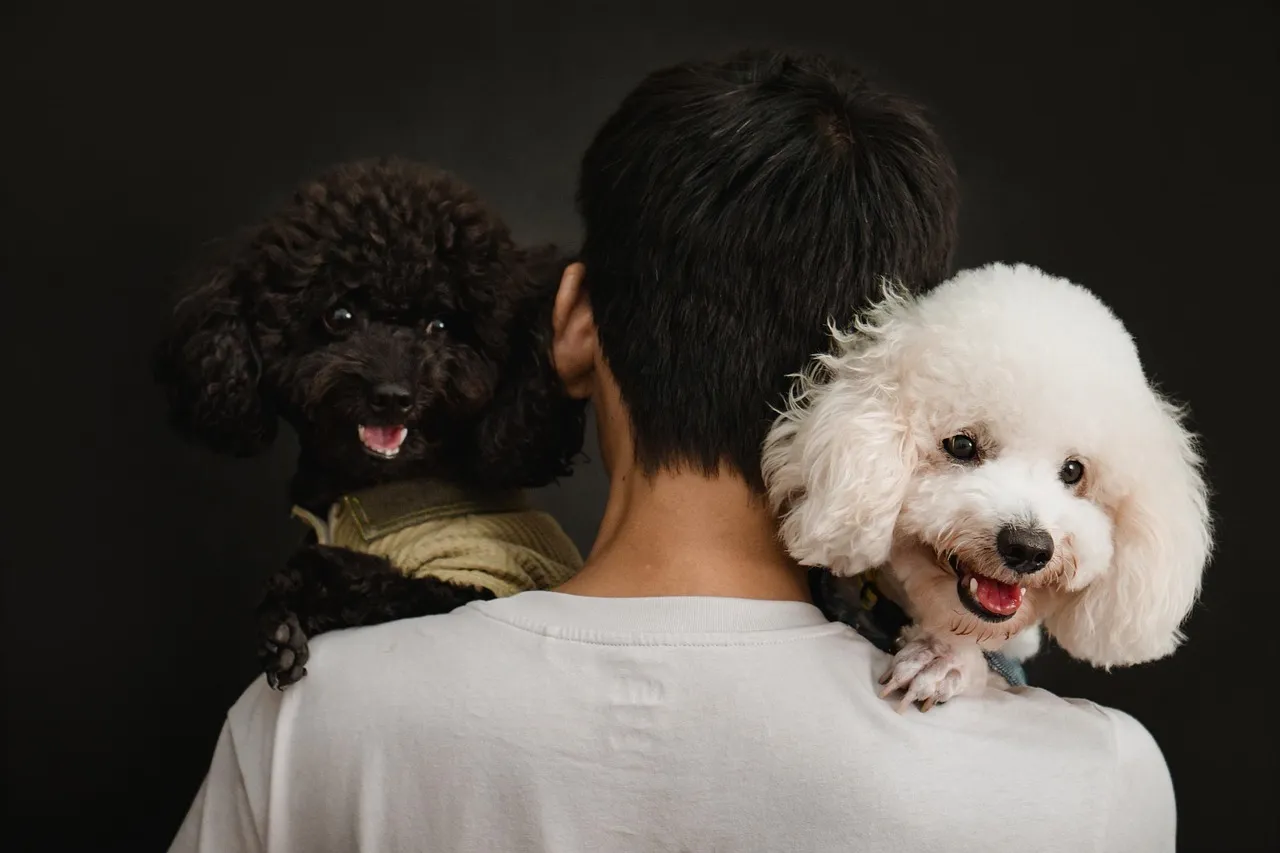
Poodle coats grow continuously and don’t shed in the traditional sense — instead, loose fur gets caught in the curly coat, making regular brushing (every 1–2 days) and professional cuts every 4–6 weeks essential to prevent matting. The classic cuts — puppy clip, continental clip, teddy bear — each require specific technique and consistent maintenance.
Golden Retrievers
Goldens have a water-resistant double coat that sheds year-round with heavy seasonal blows twice a year. Regular brushing 3–4 times weekly, more during shedding season, along with professional deshedding treatments, keeps the coat manageable. Never shave a Golden — their double coat regulates body temperature.
Labrador Retrievers
Don’t let the short coat fool you — Labradors are committed shedders, and anyone who’s owned one has the upholstery to prove it. The good news is that managing it doesn’t require much beyond a rubber curry brush worked through the coat once a week. The rubber nubs grip and lift loose hair far more effectively than a standard bristle brush on a short coat, and the whole process takes minutes. Ear care deserves a little more attention. Labs are prone to ear infections, so a quick check and gentle clean at each grooming session goes a long way toward catching any irritation before it develops into something that needs veterinary treatment.
German Shepherds
With their dense double coat, German Shepherds need brushing several times a week — and daily during the two annual coat blows when shedding is intense. A high-velocity dryer during deshedding sessions can dramatically reduce the volume of loose fur. The coat should never be shaved.
Shih Tzus
The Shih Tzu’s coat is one of the most striking in the dog world — long, silky, and flowing in a way that turns heads on a walk. It’s also one of the more demanding coats to keep that way. Daily brushing is the non-negotiable baseline, the thing that stands between that beautiful coat and a tangle of mats that tighten faster than most owners expect. Many Shih Tzu owners eventually land on a shorter puppy cut as their everyday style — not a concession, but a practical choice that keeps the coat healthy and the grooming routine manageable. Facial hair needs its own attention, growing steadily over the eyes until it’s either trimmed back or gathered into a topknot. And tucked inside those soft, floppy ears, hair grows directly into the canal — something that needs regular plucking to keep airflow moving and infections from taking hold.
Huskies
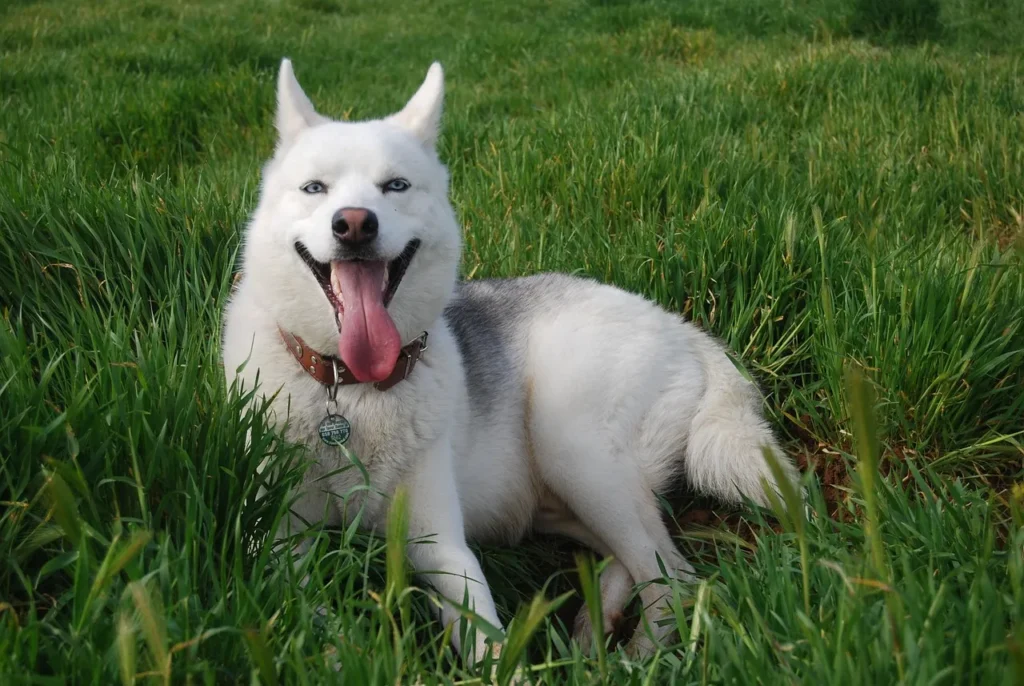
Huskies have a thick double coat designed for Arctic conditions. They shed heavily twice a year, requiring daily brushing during those periods and a few times weekly otherwise. Despite the dramatic shedding, their coat is remarkably self-cleaning. Like all double-coated breeds, they should never be shaved.
Dog Grooming Trends in 2026
The grooming industry has evolved significantly, shaped by technology, wellness culture, and a growing understanding of canine stress.
Mobile grooming continues to expand rapidly. The convenience of a grooming van arriving at your door — eliminating the car ride, the waiting area, and the time spent in a crate — is compelling for both owners and dogs. Many mobile groomers work one-on-one with each dog, reducing anxiety considerably.
Eco-friendly grooming has moved from niche to mainstream. Natural shampoos, organic conditioners, biodegradable wipes, and sustainably produced brushes are now widely available and increasingly preferred by environmentally conscious owners.
Luxury spa treatments have expanded beyond boutique salons. Blueberry facials, paw balm massages, coat conditioning treatments, and aromatherapy rinses are now offered at many mid-range salons. The global pet spa market reflects just how deeply the wellness movement has extended to companion animals.
Home grooming has quietly become a lot more manageable, and the tools available now deserve a good deal of the credit. Quiet, low-vibration clippers have been a particular game-changer for dogs that used to tense up the moment a standard clipper switched on — the reduction in noise and sensation alone makes a noticeable difference in how relaxed a dog stays through a session. Self-cleaning brushes have taken the tedium out of mid-groom maintenance; grooming vacuums collect loose hair as you brush rather than distributing it across every surface in the room, and app-connected devices that track grooming schedules mean one less thing to remember in an already busy week. Taken together, they’ve lowered the barrier to grooming at home in ways that benefit everyone involved — dogs included.
Subscription grooming services offer memberships with monthly appointments, loyalty rewards, and automatic booking reminders. For dogs that need frequent grooming, these programs often represent better value than pay-per-visit pricing.
Fear-Free grooming is arguably the most significant shift in the industry. Certified groomers trained in fear-free techniques use positive reinforcement, shorter sessions, and careful handling to transform grooming from a source of stress into a neutral or even positive experience. The approach is particularly valuable for dogs with anxiety, rescue dogs with unknown histories, and puppies being introduced to grooming for the first time.
Social-media-inspired styles continue to influence grooming trends. The Teddy Bear Cut — which gives dogs a soft, rounded, plush appearance — remains enormously popular. Asian Fusion grooming, with its creative, sculptural styling, has found an enthusiastic audience online and in salon booking queues.
How to Choose the Right Groomer
With grooming standards varying widely, it’s worth taking time to find the right professional for your dog.
Qualifications matter. Look for groomers certified by recognized organizations like the National Dog Groomers Association of America (NDGAA) or the International Professional Groomers (IPG). Certification isn’t universally required, but it signals commitment to professional standards.
Experience with your breed is important, especially for dogs with complex coats or specific styling requirements. Ask how long the groomer has been working and whether they have experience with your breed specifically.
Salon cleanliness tells you a lot. A clean, organized, odor-controlled space suggests good operational standards. If you can tour before booking, do so.
Safety procedures should be clearly communicated. Ask about how dogs are secured during grooming, whether cage dryers are used (these have been implicated in heat-related injuries), and what happens if a dog shows signs of distress.
Customer reviews — particularly those that describe how dogs behaved after appointments — are revealing. A dog that comes home calm, happy, and untethered from their experience is a good sign. A dog that trembles at the sight of the salon bag is a sign to keep looking.
Frequently Asked Questions
How often should I bathe my dog? For most dogs, every 3–6 weeks is appropriate. Active dogs that spend time outdoors may need more frequent bathing, while dogs with dry or sensitive skin may do better with less. Follow your dog’s coat type and lifestyle, not a fixed calendar.
Can I groom my dog at home? Absolutely. Basic grooming — brushing, bathing, nail trims, ear cleaning, and teeth brushing — is manageable for most owners with the right tools and patience. More complex tasks like breed-specific haircuts are better left to professionals.
Should double-coated dogs be shaved? No. It’s an understandable instinct — your Husky is panting in the summer heat, and a close shave seems like an obvious solution. But shaving a double coat doesn’t cool a dog down; it does the opposite of what most owners expect. The double coat isn’t just insulation against cold — it’s a two-way thermal system that keeps warmth out in summer just as effectively as it keeps warmth in during winter. Removing it doesn’t free the dog from the heat; it strips away the very mechanism their body relies on to manage it. There’s also a longer-term consequence worth knowing about. Shaved double coats don’t always grow back the way they came in. The texture can change, the two layers can lose their distinct structure, and the coat’s ability to regulate temperature may never fully recover. It’s a permanent trade-off for a temporary fix that wasn’t fixing anything in the first place.
What shampoo is safest? Choose a dog-specific shampoo with a pH balanced for canine skin (between 6.5 and 7.5). Gentle, sulfate-free formulas are suitable for most dogs. For dogs with skin conditions, your vet can recommend a medicated shampoo.
When should puppies first visit a groomer? Most groomers recommend a puppy’s first visit at 12–16 weeks, after their initial vaccinations. The goal of an early puppy groom is desensitization, not transformation. A short, calm, positive experience goes a long way toward making future grooming sessions stress-free.
How much does professional grooming cost? Costs vary by location, breed, coat condition, and services. In the US, a standard full groom runs $40–$150+. Mobile grooming typically costs $20–$50 more. Subscription memberships can reduce per-visit costs for dogs that groom frequently.
Conclusion
Grooming isn’t a chore to check off a list — it’s a regular investment in your dog’s health, comfort, and quality of life. The time you put into establishing a routine pays back in spades: a healthier coat, earlier detection of health issues, a more trusting dog, and fewer expensive problems down the line.
Build a realistic schedule based on your dog’s coat type and your lifestyle. Start with what’s manageable — even a weekly brush and monthly bath is infinitely better than no routine at all — and expand from there.
Invest in quality tools. A good brush, a reliable pair of clippers, and a proper dog shampoo. You don’t need to spend a fortune, but the right tools make every session easier and more effective.
Make grooming a positive experience. The best grooming advice anyone can offer is also the simplest: go slowly, and let your dog set the pace. Treats help — generously and without guilt, especially in the early sessions when everything is unfamiliar. End each session before your dog’s tolerance runs out rather than pushing through to the finish line, because a session that ends on a calm note is worth far more than a complete groom that ends in stress. If your dog is visibly distressed, stop. A shorter, quieter attempt next time builds more trust than persisting through discomfort ever will. The patience you invest in a puppy’s first few nail trims echoes through every grooming session for the rest of their life.
Because the goal was never really a perfect groom. It’s a dog that lets you touch their paws without flinching, a coat you know well enough to notice when something changes, and the kind of quiet confidence that comes from handling your dog regularly and knowing their body. That’s what a grooming routine, built slowly and maintained consistently, actually gives you. Everything else — the clean coat, the tidy nails, the fresh ears — is just what it looks like from the outside.