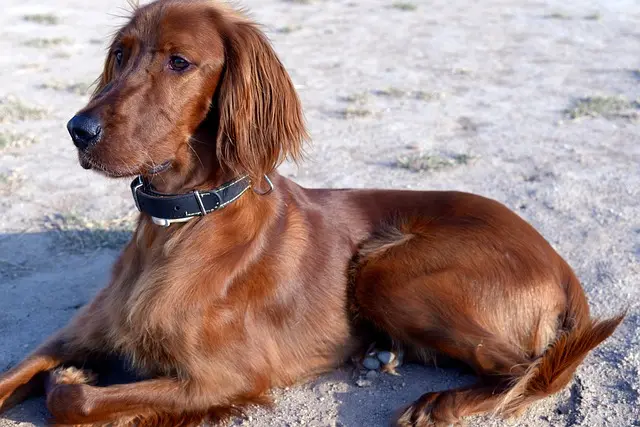
It is possible to train a dog as a fun and rewarding exercise if you use the correct equipment. One of the best tools is the application of dog treats, which provide moments for your dog to associate good behavior with positive outcomes. In this manual, we will talk about methods, advice, and treats that can help your dog learn quickly and happily.
Why Dog Treats Are Crucial for Training
Treats for dogs are not just snacks but also rewards. When training canines, they are extremely sensitive to food treats such as chicken, beef, or turkey treats. Using good-quality treats and chews encourages learning while keeping canines healthy and happy.
Choosing the Correct Dog Treats
When shopping for training treats, choose those that are naturally sourced and free from preservatives. Single-ingredient dog treats, like odorless bully sticks or chicken jerky, are great choices. They are healthy, safe, and dogs love the taste.

The Role of Chews in Dog Training
Chews can also be used as rewards. Bully sticks, sticks, and other treats and chews can be utilized to teach dogs about proper chewing habits and good behavior. Plastic toys filled with concealed treats are an enjoyable and interactive means of training.
How Dogs Learn with Treats
Dogs can learn through repetition and reward. Rewarding your dog with a treat right after he has performed something he was commanded to do makes him learn fast. Dog treats and chews work best when training is done in short and intense sessions.
The Best Dog Treats For Training
The following is the classification of dog treats that can be utilized for training:
| Type of Snack | Ingredients | Use |
| Chicken Jerky | Chicken | Reward after commands |
| Beef Sticks | Beef | Positive reinforcement |
| Turkey Bites | Turkey | High-value treats for focus |
| Odor-Free Bully Sticks | Beef | Long-lasting chew for motivation |
How Often to Reward Dogs with Treats While Training
Consistency is key. Reward dogs for every success at first, then gradually move to reducing rewards as they learn the commands. Use pieces of dog treats to prevent overfeeding.
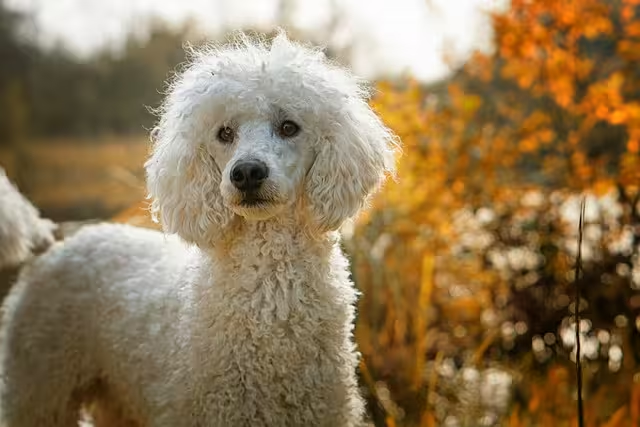
Step-by-Step Training of Your Dog
- Start with simple commands like sit and stay.
- Reward good behavior through the use of dog treats and chews.
- Introduce progressively harder commands step by step.
- Watch your dog’s body language to know if they feel comfortable.
Chicken Treat Training Secrets
Chicken treats are highly tempting. Cut them into small pieces and use them to reward good behavior each time. Dogs have been known to wolf down chicken eagerly, which makes them keen to do what they are told.
Beef and Turkey Treats
Beef and turkey treats are excellent for long training sessions. They are quality, single-ingredient dog treats that dogs love and are responsibly sourced from reputable farms.
Using Odor-Free Bully Sticks as a Reward
Odor-free bully sticks are perfect for dogs that love to chew. They are helpful in oral health while being applied as a reward in dog training. Make the sessions short and ensure dogs do not swallow large pieces.
How Dogs Respond to Chews and Treats
Novelty, flavor, and texture drive dogs. Chewing and varying treats keeps them engaged. Change the flavor like fish, pork, and chicken to keep them engaged.
Purchase the Appropriate Dog Treats
Shopping for dog treats, read reviews, ingredients, and the company’s commitment to sustainability. A good USA-based company is usually open and has trustworthy shipping.

Using Treats for Positive Reinforcement
Positive reinforcement refers to rewarding a dog for desired behavior. Training treats, sticks, chews, and even chicken jerky can be given as a reward. Treats must not be used as bribes; they must be rewards for knowledge acquisition.
Natural Dog Treats and Sustainability
Natural dog treats that are single-ingredient sourced are safe and health-promoting. Companies that practice sustainability will source farms responsibly, with minimal preservatives and chemicals.
Tips for Effective Dog Training
- Short training sessions must be used.
- Use high-value treats.
- Reward right away.
- Rotate chicken, beef, and turkey treats.
- Track progress in a training log.
Troubleshooting Common Training Challenges
If your dog is not responding, check the treat quality, switch session times, and ensure that they are motivated. Do not use plastic toys as treats unless the toys are designed to hold dog treats and chews safely.
Types of Dog Training Treats
- Chicken bites
- Beef sticks
- Turkey treats
- Odor-free bully sticks
- Fish jerky
Training Commands with Snack Rewards
- Sit
- Stay
- Come
- Leave it
- Shake
Benefits of Using Dog Treats
- Helps dogs learn fast
- Encourages good behavior
- Improve habits of chewing
- Supports healthy gums and teeth
- Reduces frustration while training

Tips for Buying Dog Treats
- Read ingredients
- Choose natural treats
- Read reviews
- Buy from reputable USA-based businesses
- Guarantee safe shipping
Conclusion
Effectively training a dog takes patience, consistency, and reward. Using top-quality dog treats, chews, and sticks, your dog will be motivated, and learning will be fun. Select chicken, beef, or scent-free bully sticks, but the goal is to have treats as a positive reinforcement tool that allows dogs to learn and develop.