Dogs are not just pets — they’re family. And like any family member, they need more than just food, water, and a warm bed. They need something to do. The right toy can be the difference between a dog that’s calm, happy, and well-behaved and one that’s chewing through your couch cushions at 2 a.m.
But walk into any pet store (or scroll through Amazon for ten minutes), and you’ll quickly realize the market is enormous. Squeaky dinosaurs, rope knots, treat-dispensing puzzles, laser balls, plush hedgehogs — it’s overwhelming. The global pet toy market is currently estimated at over $10 billion and is expected to nearly double to $22.4 billion by 2033. That’s a lot of rubber bones.
This guide cuts through the noise. Whether you’ve just brought home a puppy or you’re shopping for a senior dog who still thinks he’s twelve, you’ll find exactly what you need here — what types of toys exist, how to pick the right ones, which safety pitfalls to avoid, and how to get the most out of playtime.
Why Dogs Need Toys
It might seem like a toy is just a toy. But for dogs, play is functional — it’s tied directly to their physical health, emotional wellbeing, and cognitive development.
Preventing Boredom (and the Destruction That Follows)
A bored dog is a creative dog, and not in a way you’ll enjoy. Dogs left without stimulation will find their own entertainment — digging up the garden, shredding pillows, barking endlessly, or chewing anything within reach. Toys give that energy a constructive outlet. Interactive and enrichment toys in particular have surged in popularity precisely because they keep dogs mentally occupied for extended periods.
Supporting Healthy Chewing Habits
Chewing is instinctual for dogs. It relieves stress, exercises jaw muscles, and helps keep teeth clean. Giving your dog an appropriate chew toy isn’t just a convenience for you — it’s genuinely good for them. Approximately 75% of U.S. dog owners buy chew toys, making them the single most purchased toy type. That’s not a coincidence; it reflects how deeply dogs are wired to chew.
Exercise and Weight Management
Fetch toys, tug ropes, and flirt poles get dogs moving. Regular physical activity helps maintain a healthy weight and keeps joints limber — especially important for breeds prone to obesity or hip problems.
Building Confidence
Puzzle toys and treat-dispensing games require dogs to problem-solve. Completing a challenge — finding the treat, figuring out the mechanism — builds confidence, especially in anxious or shy dogs.
Reducing Separation Anxiety
Toys that engage a dog’s senses (smell, taste, sight) can help them self-soothe when left alone. A long-lasting chew or a frozen treat-stuffed toy can make the transition from “you just left” to “okay, I’m fine” significantly smoother.
Types of Dog Toys
Not all toys are created equal, and not all dogs want the same thing. Here’s a breakdown of the main categories.
Chew Toys
The classic. Made from rubber, nylon, or natural materials like antlers and bully sticks, chew toys are designed to withstand repeated gnawing. They’re the go-to for dogs who are driven to chew — which is most dogs. Look for toys rated for your dog’s chewing intensity (light, moderate, or power chewer).
Fetch Toys
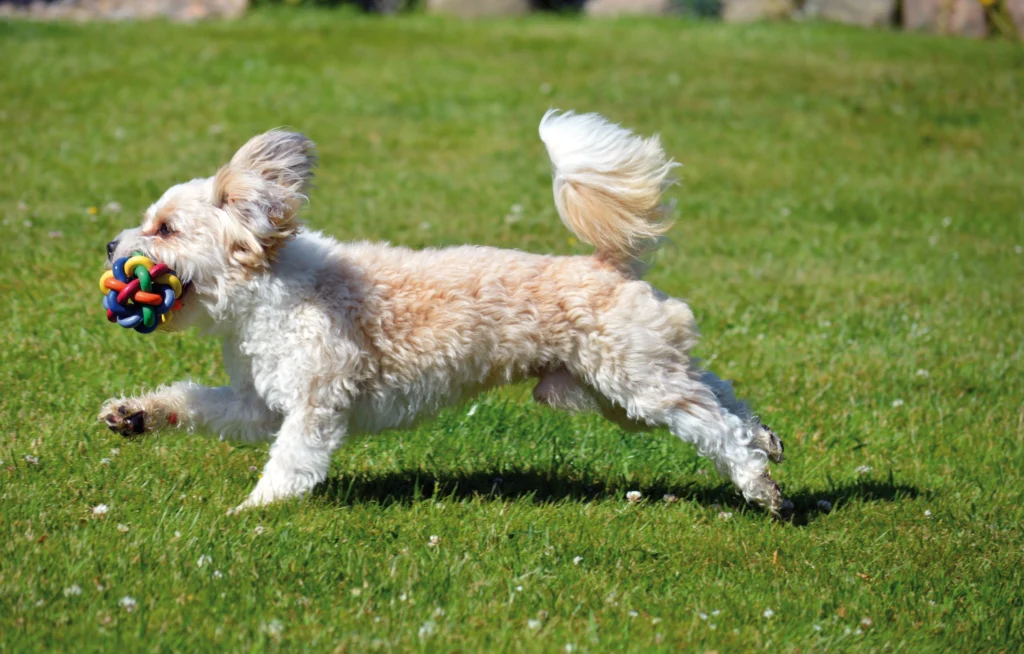
Balls, frisbees, bumpers — anything designed to be thrown and retrieved. Fetch is one of the most popular activities between dogs and their owners, with 64% of dog owners regularly playing fetch with their pets. Rubber and tennis balls are the staples, but flirt poles and flying discs offer great variety.
Tug Toys
Rope toys, rubber rings, and braided handles are designed for a game of tug-of-war between dog and human. Tug is actually a fantastic bonding activity and a great way to burn energy indoors. Around 65% of dog owners use tug toys regularly. Contrary to old advice, tug doesn’t make dogs dominant or aggressive — it just tires them out and makes them happy.
Plush Toys
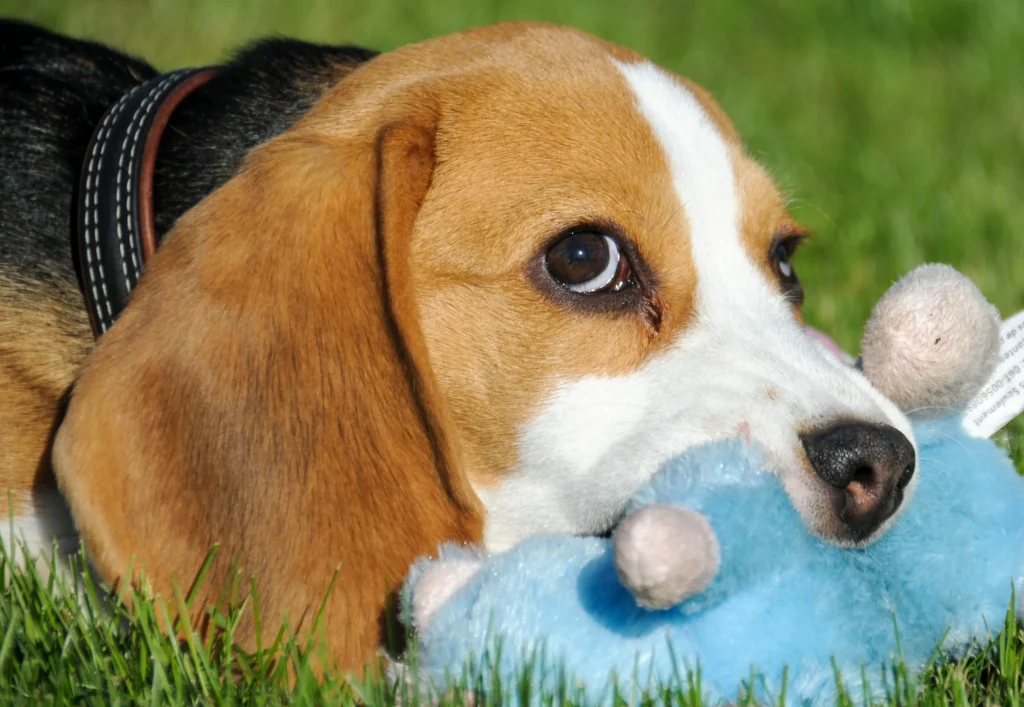
The soft, squeaky stuffed animals that dogs carry around, cuddle with, and occasionally eviscerate. Great for gentler dogs or those who like comfort objects. Not ideal for aggressive chewers who will have the stuffing out in minutes.
Puzzle Toys
Sliding panels, flip boards, hidden compartments — puzzle toys require dogs to manipulate parts to reveal hidden treats. They’re the fastest-growing toy category because they directly address mental stimulation, which vets and trainers increasingly recommend as just as important as physical exercise.
Treat-Dispensing Toys
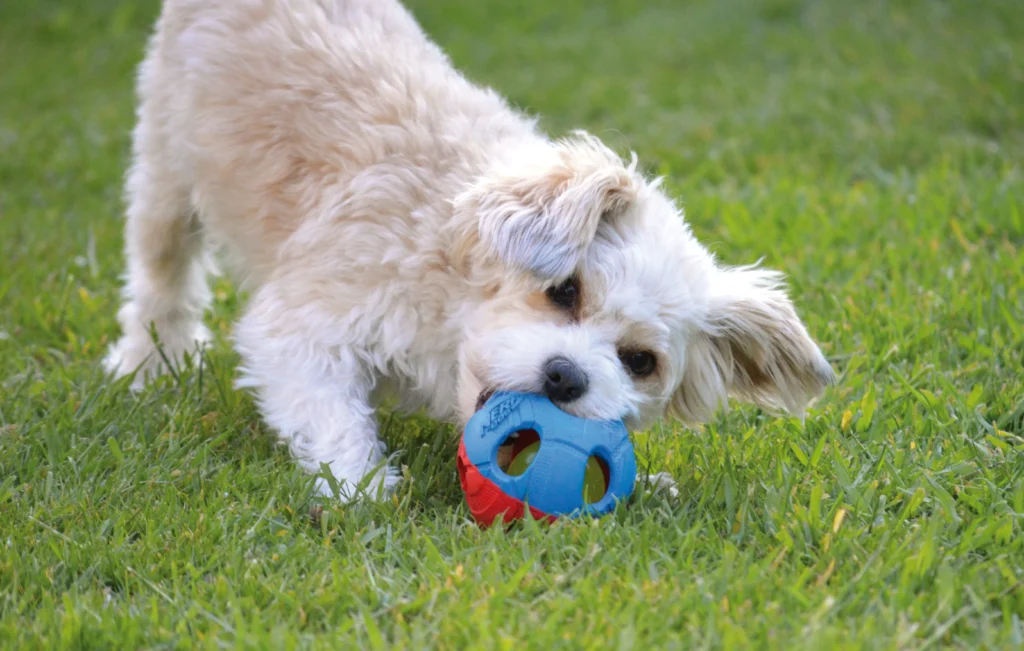
Rubber Kongs, wobble balls, and lick mats fall into this category. You fill them with kibble, peanut butter, or soft treats, and the dog has to work to get the food out. These are particularly excellent for crate training, managing meal time, and keeping dogs occupied during your Zoom calls.
Rope Toys
Knotted cotton or synthetic ropes work well for tug, fetch, and even solo chewing. They can also act as a mild dental aid, as the fibers help clean teeth during play. Just watch for fraying — swallowed rope fibers can cause digestive issues.
Water Toys
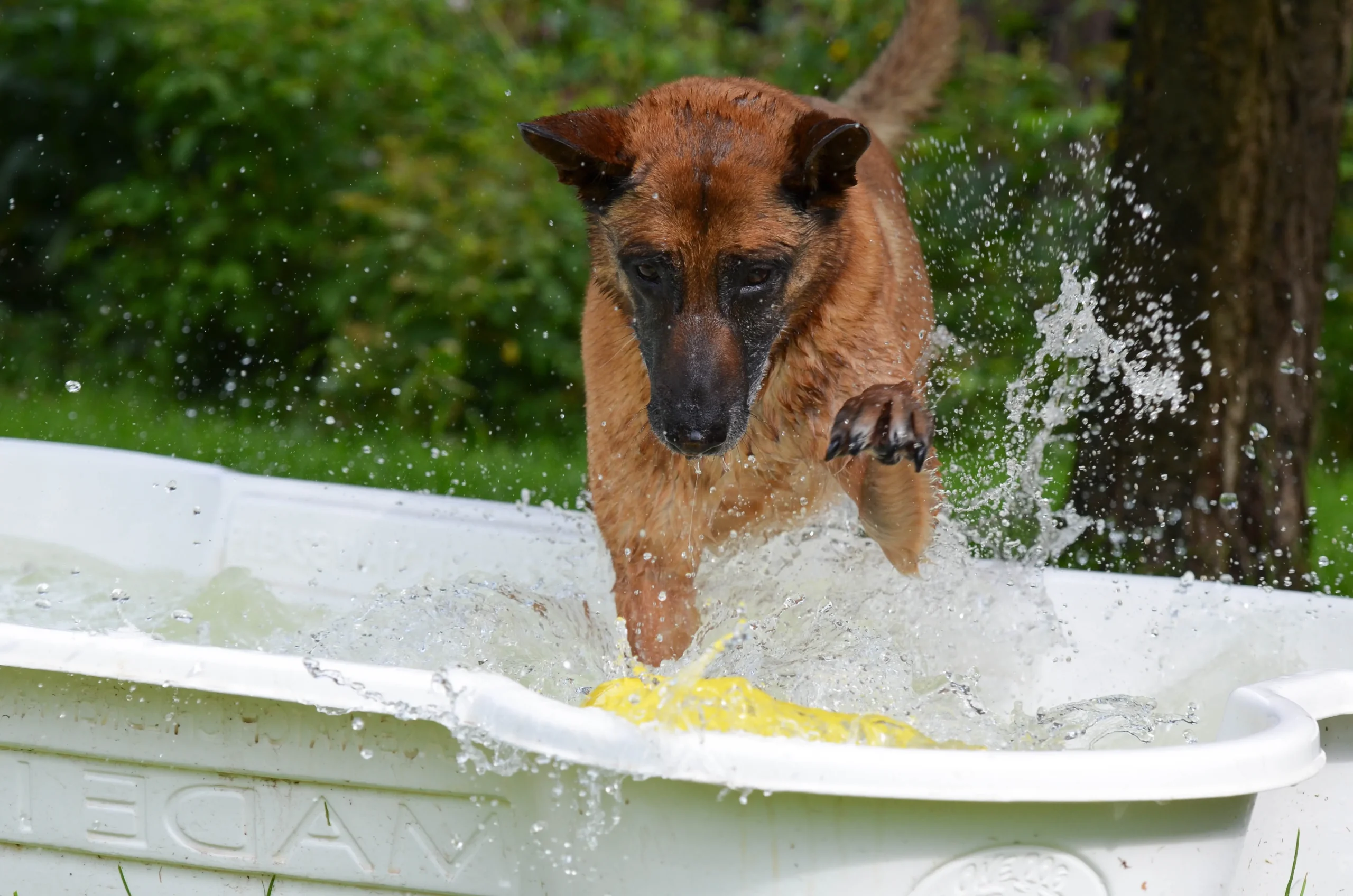
Floating rubber toys, buoyant bumpers, and splash-friendly balls are perfect for dogs who love to swim. Lightweight and brightly colored, they’re designed for pool or lake play.
How to Choose the Best Dog Toy
The perfect toy for your neighbor’s Labrador might be completely wrong for your chihuahua. Here’s how to match the toy to the dog.
Consider Your Dog’s Age
Puppies have needle-sharp teeth but relatively weak jaws, so softer rubber toys and plush toys are appropriate — just make sure there are no small parts they can choke on. Adult dogs can handle a wider range of materials. Senior dogs may develop joint issues or dental sensitivity, so softer textures and lower-impact play options tend to work better.
Choose Based on Size
This sounds obvious, but it’s frequently overlooked. A toy that’s appropriate for a golden retriever is a choking hazard for a toy poodle. Always check the manufacturer’s size recommendation and err on the side of larger rather than smaller if you’re unsure.
Match Chewing Strength
Most toy brands now categorize their products by chewing intensity. Power chewers — breeds like pit bulls, rottweilers, and German shepherds — need heavy-duty rubber or nylon. For moderate chewers, standard rubber works well. For gentle chewers, you have a lot more options.
Select Safe Materials
Stick to non-toxic, BPA-free rubber and food-grade materials. Natural rubber is an excellent choice. Avoid toys with small plastic parts that could be chewed off and swallowed, as well as toys with long strings or ribbons that could wrap around internal organs.
Look for Easy-to-Clean Toys
Toys get slobbery, dirty, and smelly fast. Rubber and silicone toys can usually be washed in the dishwasher or soaked in soapy water. Plush toys are often machine washable. Toys you can actually clean regularly are far safer from a bacterial standpoint.
Replace Damaged Toys
A toy that’s been partially chewed, cracked, or frayed has become a hazard. Pieces that break off become choking risks. Check your dog’s toys regularly and retire anything that’s showing serious wear.
Best Dog Toys by Category
Best Toys for Puppies
Soft rubber chew toys (like a puppy Kong), rope toys, and plush toys without button eyes work best. Puppies are also great candidates for introduce-early puzzle toys — building problem-solving habits young pays off. Avoid anything with small detachable parts.
Best Toys for Aggressive Chewers
Look for toys rated “indestructible” or “power chewer” — thick-walled rubber, reinforced nylon, or natural chews like bully sticks and elk antler. The Kong Extreme line and similar products are long-standing favorites. Don’t bother with plush or thin rubber; they won’t last an hour.
Best Toys for Senior Dogs
Softer rubber, gentle plush toys, and easier puzzle feeders are ideal. Senior dogs may still love to play but have less interest in vigorous tug or fetch marathons. Lick mats and slow feeders provide mental engagement without physical strain.
Best Toys for Large Breeds
Large breeds need proportionally large toys — both for safety and because they’ll get bored with small ones quickly. Oversized fetch balls, heavy-duty rope toys, and large treat-dispensing Kongs are solid choices.
Best Toys for Small Breeds
Small dogs need smaller toys, but don’t assume they need soft ones — some tiny dogs are surprisingly intense chewers. Look for compact versions of rubber chews and puzzle toys scaled for a smaller snout.
Best Toys for Indoor Play
Puzzle toys, treat dispensers, tug ropes, and gentle squeaky toys are perfect for indoor use. Anything that encourages calm, focused engagement is ideal for apartment or small-space living.
Best Toys for Outdoor Play
Fetch balls, frisbees, flirt poles, water toys, and automatic launchers shine outdoors. If your dog loves to swim, invest in a brightly colored floating toy they can easily track in the water.
Comparing Popular Dog Toy Types
| Toy Type | Best For | Main Advantages |
| Chew Toy | Aggressive chewers | Durable, promotes dental health, reduces anxiety |
| Puzzle Toy | Mental stimulation | Combats boredom, builds problem-solving skills |
| Fetch Toy | Active, high-energy dogs | Encourages exercise, great for owner-dog bonding |
| Plush Toy | Gentle dogs, puppies | Provides comfort, good for carrying and cuddling |
| Treat Dispenser | All dogs | Slows eating, keeps dogs busy, excellent for training |
| Tug Toy | Playful, social dogs | Burns energy indoors, strengthens bond with owner |
| Rope Toy | Moderate chewers | Versatile, helps clean teeth, good for tug and fetch |
| Water Toy | Swimming breeds | Lightweight, floats, highly visible in water |
Safety Tips When Buying Dog Toys
Fun is the goal, but safety is the prerequisite. These are the most important things to keep in mind.
Avoid Choking Hazards
Any toy small enough to fit entirely in your dog’s mouth is a potential choking hazard. This is especially relevant for small parts — button eyes on plush toys, plastic wheels, hard rubber pieces — that can be gnawed off. When in doubt, go bigger.
Check Materials
Stick to toys that are explicitly labeled non-toxic and free from harmful chemicals like BPA, phthalates, and lead. Cheap imported toys sometimes contain materials that aren’t safe for dogs to chew on regularly. When you’re buying from a smaller brand, a quick search for safety certifications is worth it.
Supervise Playtime
No toy is truly indestructible, and unsupervised play with the wrong toy can go wrong fast. Introduce new toys while you’re present so you can observe how your dog interacts with them before trusting them to play alone.
Rotate Toys Regularly
Dogs get bored with the same toy every day, just like kids do. Rotating toys — putting some away and reintroducing them later — keeps things feeling novel. It also gives you a chance to inspect toys for damage before putting them back in rotation.
Clean Toys Frequently
Saliva plus squeaky rubber plus floor time equals a petri dish. Wash toys regularly — rubber toys in hot soapy water or the dishwasher, plush toys in the washing machine. This prevents bacterial buildup that can make your dog sick.
Top Features to Look for in a Quality Dog Toy
When you’re scanning through options, these are the features worth prioritizing:
- Durable construction — reinforced seams on plush, thick walls on rubber, non-splintering materials on everything
- Non-toxic materials — BPA-free, food-grade rubber, natural fibers, pet-safe dyes
- Appropriate sizing — designed for your dog’s size and weight class, not just “all breeds”
- Easy to clean — dishwasher-safe, machine washable, or at minimum hand-washable without degrading
- Interactive or treat-dispensing features — anything that extends engagement beyond a few seconds
- Strong customer reviews — especially from owners of dogs with similar breeds or play styles to yours
- Suitable for your dog’s play style — a toy that matches whether your dog likes to chew, fetch, chase, tug, or puzzle-solve
Common Mistakes Dog Owners Make
Even experienced dog owners make these errors, so it’s worth a quick review.
Buying Toys That Are Too Small
The most common safety mistake. Fetch balls marketed for medium dogs can fit inside a large dog’s mouth. Always size up when in doubt.
Ignoring Chewing Style
Some dogs are methodical chewers who methodically work through a toy over weeks. Others are demolition machines who destroy anything in minutes. Buying a soft plush toy for the latter dog is just an expensive mistake. Know your dog’s style.
Choosing Toys with Unsafe Parts
Glued-on eyes, small plastic accessories, thin rubber pieces — these all become choking hazards once a dog discovers they can chew them off. Inspect toys carefully before buying.
Leaving Broken Toys Available
A cracked rubber toy or a plush toy with exposed stuffing and squeaker parts is no longer safe. Dog owners sometimes leave damaged toys out because the dog still “likes” them — but a dog will play with almost anything. It’s your job to retire the hazard.
Purchasing Based Only on Price
Cheap toys often mean cheap materials, poor construction, and short lifespans. A $5 rubber ball that lasts a week and a $20 one that lasts a year aren’t comparable in value. For heavy chewers especially, investing in durable toys saves money and reduces risk.
Frequently Asked Questions
How many toys should a dog have?
There’s no magic number, but most dogs thrive with a variety — some toys available at all times, others rotated in and out. A mix of chewing, problem-solving, and interactive play options gives them choices based on their mood. Five to ten toys in active rotation is a reasonable range for most dogs.
Which toys last the longest?
Heavy-duty rubber toys (like Kongs and similar products), thick nylon chews, and natural chews like elk antler tend to outlast everything else. The more a dog chews, the more you need to invest in durability. For moderate chewers, a quality rubber toy can last months or even years.
Are squeaky toys safe?
Generally yes, for dogs that don’t obsessively try to extract the squeaker. The danger is when a dog successfully removes the squeaker mechanism — a small plastic or metal piece that can be swallowed. Supervise your dog with squeaky toys, especially when they first discover the squeak and go on a mission to find it.
How often should toys be replaced?
Inspect toys weekly. Replace them when you notice cracks, tears, fraying, or when pieces have broken off. How long that takes depends entirely on your dog’s chewing intensity. An aggressive chewer may need certain toys replaced monthly; a gentle dog might go a year with the same toy.
What toys do veterinarians recommend?
Most vets favor toys made from natural, non-toxic rubber; puzzle feeders for mental enrichment; and appropriate chews that support dental health. They generally advise against cooked bones (which can splinter), rawhide (digestive risks for some dogs), and any toy with small detachable parts.

Final Thoughts
Choosing the right toy for your dog isn’t complicated once you know what to look for — but it does require a bit of thought. The best toy is the one that matches your specific dog’s age, size, energy level, and play style, made from safe materials, and durable enough to handle how they actually play.
The trend toward richer, more stimulating toys reflects something real: dogs do better when their minds are engaged, not just their bodies. A puzzle toy or treat dispenser that keeps your dog occupied for twenty minutes does more for their wellbeing than a squeaky ball that gets ignored after thirty seconds.
Invest in quality over quantity. A few excellent toys will serve your dog far better than a basket full of cheap ones. Keep playtime safe, keep it varied, and keep it fun — your dog will thank you in tail wags.