If your dog has ever spotted a squirrel mid-walk, frozen at the sound of your voice, and then kept running anyway, you already understand why recall training matters. It’s the difference between a relaxed afternoon at the park and a heart-pounding sprint toward a busy street. It’s also one of the most requested — and most misunderstood — skills in all of dog training.
Recall means teaching your dog to return to you immediately when called, no matter what’s competing for their attention. It’s not about blind obedience. It’s about safety, freedom, and trust. A dog with a dependable recall gets to enjoy off-leash hikes, open beaches, and unstructured play. A dog without one stays on a leash, often for life, simply because it isn’t safe to do otherwise.
Most owners have attempted recall training at some point, usually with uneven results. Your dog comes running the instant you call from the kitchen, then acts as if they’ve never heard the word “come” the second a rabbit darts across the yard. That gap between “knows the cue” and “reliably responds under distraction” is where most recall training breaks down — and it’s exactly what this guide is designed to fix.
Around 48 million U.S. households share their home with at least one dog, and recall consistently ranks as one of the top obedience priorities among them. Veterinary behaviorists and certified trainers alike point to reliable recall as one of the single most important safety behaviors a dog can learn, particularly for off-leash time and emergency situations. This guide walks through the full process — the science behind it, a step-by-step training plan, and solutions to the most common problems owners run into — so you can move from “maybe he’ll come” to “he always comes.”
What Is Recall Training?
Definition of recall
Recall is the behavior of a dog returning to their owner immediately when called, regardless of what else is happening around it. It sounds simple in theory. In practice, it asks a dog to interrupt something rewarding — chasing, sniffing, greeting — and prioritize their owner instead, which is a genuinely difficult mental shift.
Why every dog needs recall
Recall isn’t reserved for adventurous, off-leash-hiking dogs. Every dog benefits from it. A dog who slips through an open door, jumps a fence, or gets loose during a walk needs a dependable “come” to prevent a dangerous moment from turning into a tragedy. Think of it as baseline insurance, not an advanced trick.
When should dogs learn recall?
Training can begin as early as eight weeks old, right when a puppy first comes home. Puppies are naturally inclined to stay close to their people, which makes early puppyhood an ideal window to build strong habits before independence — and distraction — sets in. Recall can also be taught or rebuilt at any age; it simply requires more patience with an older dog who’s developed competing habits.
Why Recall Training Is So Important
Preventing dangerous situations
Safety is the clearest reason to prioritize recall. Roads, wildlife, unfamiliar dogs, and hazardous substances are all situations a strong recall can help your dog avoid. In an emergency, the few seconds it takes for your dog to turn and run back to you can make all the difference.
Off-leash freedom
A dog with reliable recall earns access to spaces that simply aren’t realistic otherwise — open trails, dog-friendly beaches, wide-open fields. That freedom supports both physical exercise and mental stimulation in a way leashed walks alone can’t match.
Better communication
Recall training builds a foundation for clearer communication overall. As your dog learns to check in and respond consistently to your voice, many owners notice improvements ripple into other areas of training too.
Stronger owner-dog bond
Every successful recall reinforces the relationship. Your dog learns that returning to you is not just safe but genuinely rewarding, deepening trust well beyond the training session itself.
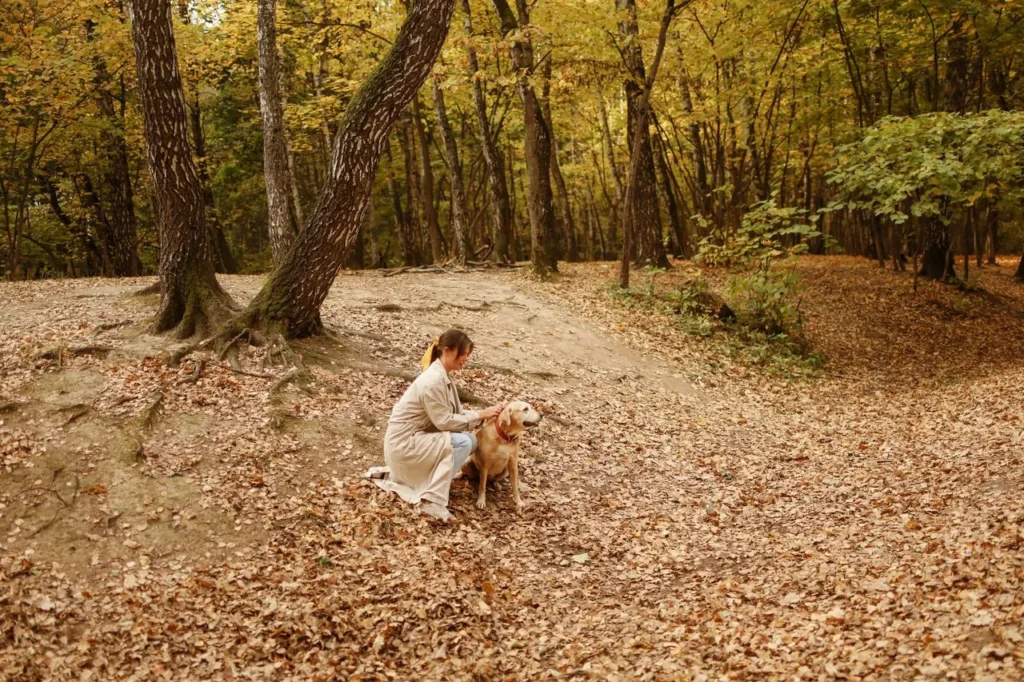
How Dogs Learn Recall
Positive reinforcement
Reward-based training is now the standard recommendation from veterinary behaviorists, certified trainers, and major welfare organizations. The logic is simple: every time your dog comes when called, something good happens — a treat, a toy, praise, or play. Over time, “come” becomes linked with good outcomes instead of the end of fun.
This shift shows up in the numbers, too. A 2026 study of professional trainers found that among those who had changed their methods over time, a notable 44% had shifted toward greater use of positive reinforcement as they gained experience and continued education — a trend that mirrors what’s happening in homes across the country.
Timing rewards correctly
Timing is everything. The reward needs to land the instant your dog reaches you, not several seconds later while you’re digging through a treat pouch. Precise timing tells your dog exactly which behavior earned the payoff.
Building value in returning
The real goal isn’t teaching your dog what “come” means in isolation — it’s making the act of returning to you the single best option available, even when competing with something as exciting as another dog or a fast-moving squirrel.
Avoiding punishment
Never scold your dog after they come to you, even if getting there took far longer than you’d like or they did something wrong beforehand. Punishing a dog after recall — even mild frustration in your tone — teaches them that returning to you carries risk, an association that’s remarkably hard to undo.
Equipment You’ll Need
Recall training doesn’t require much gear, but a few tools make the process considerably smoother and safer.
- Long line – A 15- to 30-foot training leash that allows freedom of movement while keeping you in control if needed.
- Soft collar or harness – Comfortable enough for extended wear during repeated training sessions.
- High-value treats – Small, soft, and genuinely exciting — think chicken or freeze-dried liver rather than everyday kibble.
- Clicker (optional) – A tool for marking the exact moment your dog does the right thing.
- Favorite toy – Ideal for dogs who respond more to play than food.
- Treat pouch – Keeps rewards within easy reach so you’re never fumbling at a critical moment.
Step-by-Step Recall Training Plan
Step 1 – Start indoors
Begin somewhere low-distraction, like a living room or hallway. Say your dog’s name followed by your recall cue (“Rex, come!”) in an upbeat tone, then reward generously the moment they reach you. Keep sessions short and frequent.
Step 2 – Reward every success
Early on, reward every single successful recall without exception. This stage is about building a strong, positive association — one that will eventually need to hold up against real distractions.
Step 3 – Increase distance
Once your dog reliably comes from across a room, gradually increase the distance: a longer hallway, a bigger room, then your backyard. Each jump should feel manageable rather than dramatic.
Step 4 – Practice outdoors
Move training into your yard or another enclosed outdoor space. New smells and sounds may slow your dog’s response time slightly at first — that’s expected, not a setback.
Step 5 – Add distractions
Introduce mild distractions gradually: a person nearby, a toy on the ground, background noise. Keep your dog on a long line during this stage so you can guide them back without undermining their trust.
Step 6 – Practice off-leash safely
Only move to off-leash recall once your dog is consistently successful with distractions on the long line, and always start in a securely fenced area before attempting recall in an open space.
Common Recall Mistakes
Repeating the cue
Saying “come, come, COME” trains your dog to treat the cue as optional until it’s been repeated several times. Say it once — if your dog doesn’t respond, go back a step in training rather than repeating the word.
Calling only when fun ends
If “come” only ever signals that playtime is over, your dog will start avoiding it. Call your dog to you periodically during play or walks, then release them to continue, so the cue doesn’t always mean “the fun stops now.”
Punishing your dog after returning
Worth repeating: never scold your dog once they’ve come to you, regardless of how long it took or what happened before. Punishment after the fact only teaches avoidance.
Training with distractions too early
Jumping straight into a crowded dog park before your dog has mastered recall in the backyard sets them up to fail. Distraction-proofing needs to be gradual and deliberate.
Using low-value rewards
If your dog is weighing a piece of dry kibble against the appeal of a rabbit in the bushes, the rabbit usually wins. Reserve your dog’s favorite treats specifically for recall practice.
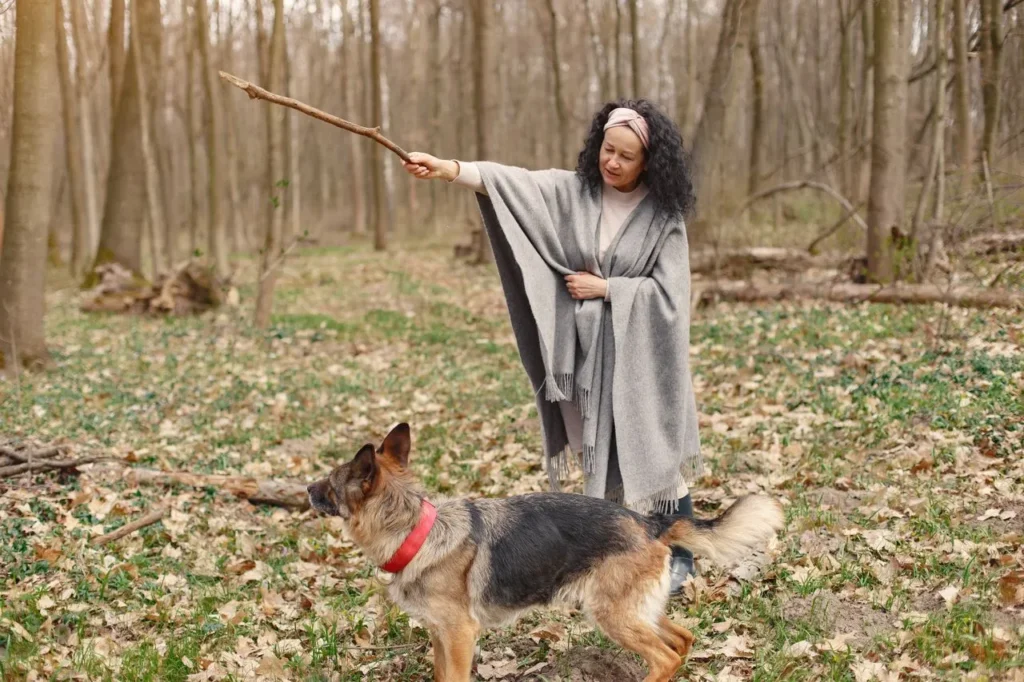
Best Rewards for Recall Training
Food rewards
Small, soft, high-value treats are ideal because they can be eaten quickly, letting training continue without a long pause.
Toy rewards
For toy-motivated dogs, a quick tug session or a thrown ball can be just as effective as food — sometimes more so.
Praise
Genuine, enthusiastic praise reinforces the behavior and strengthens your bond, especially when paired with a treat or toy.
Play as a reward
A short burst of play after a successful recall can be a powerful motivator, particularly for high-energy dogs.
Variable reinforcement
Once recall is well established, mix up the rewards — sometimes a treat, sometimes a toy, occasionally a jackpot of several treats at once. This unpredictability tends to strengthen the behavior over time, since your dog never knows exactly what to expect, only that it’ll be worthwhile.
Recall Training by Age
Puppies
Puppies naturally stick close to their people, making early puppyhood the easiest window to build a strong recall foundation. Keep sessions short, upbeat, and frequent.
Adolescents
Adolescence — roughly six months to two years, depending on breed — often brings a temporary dip in reliability as dogs grow more independent and distractible. This is completely normal; stay consistent and avoid reacting to the regression.
Adult dogs
Adult dogs can absolutely learn or strengthen recall. It may take longer if competing habits have already formed, but the same core principles apply: consistency, high-value rewards, and gradual distraction-proofing.
Senior dogs
Older dogs can still benefit meaningfully from recall training, and it doubles as valuable mental engagement. Just adjust expectations around hearing, mobility, and energy level.
Recall Training by Environment
Indoors
The easiest starting point, with minimal distractions and full control over the space.
Backyard
A natural next step — some added distractions, but still secure and contained.
Park
Higher distraction levels from people, dogs, and wildlife. A long line is essential here until recall is well established.
Hiking trails
Uneven terrain and unpredictable wildlife encounters make trails more advanced territory. Save off-leash recall here for dogs with a strong, proven track record elsewhere.
Beach
Open space and exciting new smells make beaches both rewarding and challenging. Waves, birds, and other dogs are common distractions worth preparing for.
Solving Common Recall Problems
Dog ignores commands
If your dog seems to tune out “come” entirely, it usually means training progressed too quickly through distraction levels. Return to a stage where success is consistent, then rebuild from there.
Dog chases wildlife
For dogs with a strong prey drive, keep them on a long line in wildlife-heavy areas and invest extra time in building the emergency recall cue described below.
Dog runs toward other dogs
Practice recall around other dogs starting at a distance where your dog can still succeed, gradually closing the gap over multiple sessions.
Dog comes slowly
A sluggish recall often signals that the reward isn’t valuable enough, or that your dog hasn’t learned urgency around the cue. Raise the reward value and bring more energy into how you call.
Dog returns only for treats
If your dog only responds when a treat is visible, start hiding rewards and delivering them after the behavior instead of using food as a lure. This shifts the motivation from “there’s a treat in sight” to “coming to my owner pays off.”
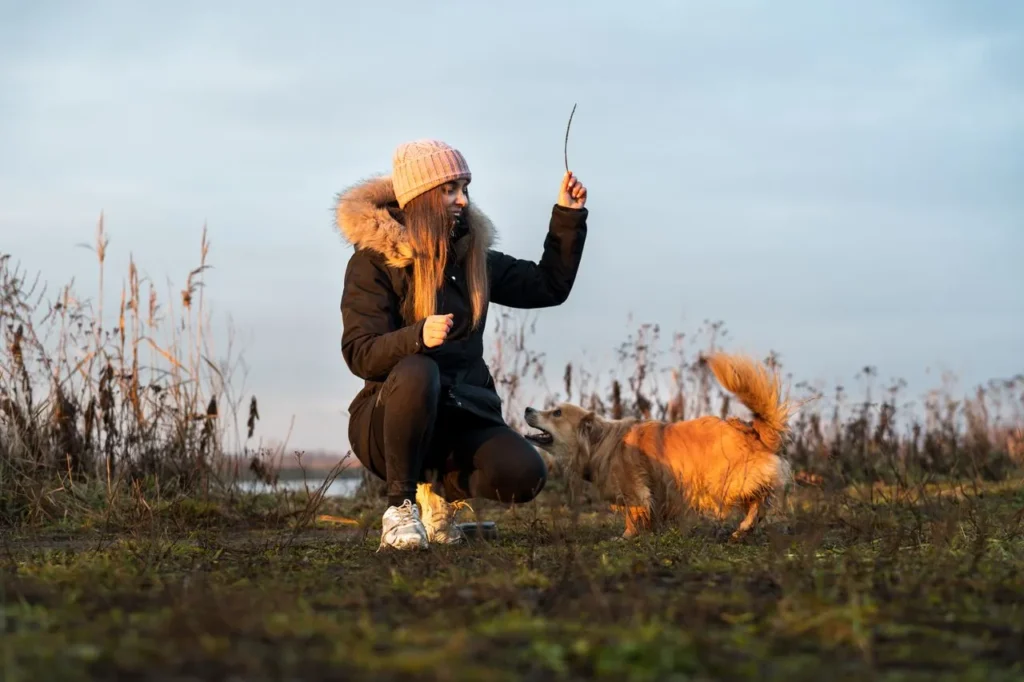
Recall Games That Make Training Fun
Framing recall practice as a game keeps both you and your dog engaged — and dogs often learn faster when training feels like play instead of a drill.
- Hide-and-seek – Hide somewhere in the house or yard and call your dog to come find you.
- Ping-pong recall – Two people stand apart and take turns calling the dog back and forth, rewarding each return.
- Chase-me game – Jog a few steps away and encourage your dog to catch up, then reward.
- Recall relay – Line up several family members and pass the dog between them with recall cues.
- Jackpot reward game – Occasionally reward an especially fast or focused recall with a jackpot of several treats in a row.
- Find the owner – In a safe, enclosed space, let your dog wander a short distance before calling them to find you.
Emergency Recall Training
What is an emergency recall?
An emergency recall is a distinct cue reserved exclusively for critical moments — a different word or sound from your everyday “come,” used sparingly and rewarded exceptionally well every single time.
Choosing a unique cue
Pick a word or sound your dog won’t encounter in everyday life, such as “here now” or a distinct whistle pattern, so it never gets diluted through casual use.
When to use it
This cue is reserved for genuine emergencies — a dog running toward traffic, a dangerous animal, or any moment where an immediate response matters most. Overusing it weakens its power.
How to maintain reliability
Because this cue is used rarely, it needs occasional practice with an exceptionally high-value reward — a small piece of steak, an extended play session — to keep the association strong over time.
Comparison of Recall Training Methods
| Training Method | Best For | Advantages |
| Positive reinforcement | All dogs | Builds trust and reliability |
| Long-line training | Beginners | Safe outdoor practice |
| Clicker recall | Precision training | Clear communication |
| Emergency recall cue | High-risk situations | Maximum reliability |
Frequently Asked Questions
How long does recall training take?
Basic recall often shows noticeable progress within a few weeks of consistent practice, though a truly reliable, distraction-proof recall typically takes several months to build — and ongoing practice to maintain.
Can older dogs learn recall?
Yes. While puppies pick it up especially quickly thanks to their instinct to stay close, adult and senior dogs can absolutely learn or improve recall with patience and consistent, reward-based practice.
Should I use treats forever?
Not at the same frequency indefinitely. As recall becomes more reliable, you can shift toward variable reinforcement — rewarding intermittently rather than every time — while still occasionally offering high-value rewards to keep motivation strong.
Why does my dog ignore me outside?
Outdoor environments come packed with competing distractions — smells, sounds, movement — that can easily outweigh an under-practiced recall. It usually means training needs to step back to an easier distraction level.
What is the best recall command?
Any short, clear, upbeat word works well as long as it’s used consistently and backed by a strong reward history. Many owners keep it simple with “come” or “here,” reserving a separate cue for true emergencies.
Can every breed achieve reliable recall?
Most breeds can develop a strong recall with consistent training, though breeds with high prey drive or independent temperaments — scent hounds and livestock guardian breeds, for example — may need extra patience and a longer distraction-proofing process.
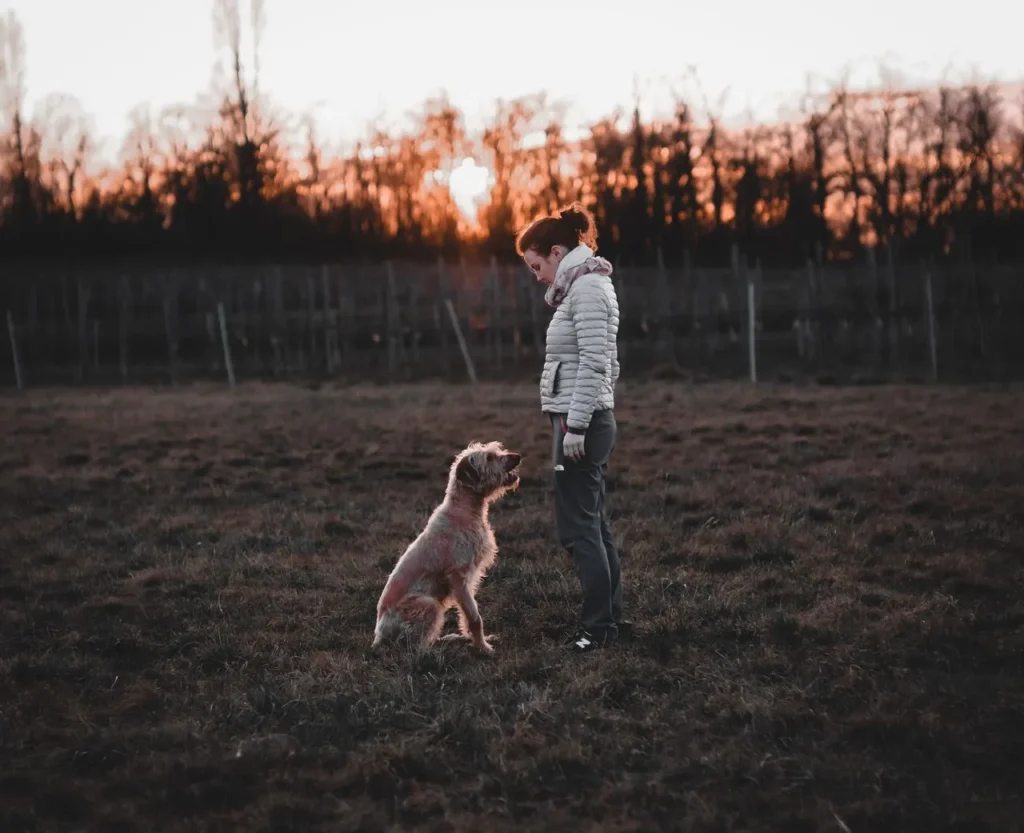
Conclusion
Consistency beats intensity
A handful of short, focused sessions each day will outperform one long, exhausting session once a week. Dogs learn best through frequent, positive repetition.
Make returning rewarding
At every stage, the underlying goal stays the same: coming back to you should be the best thing that happens to your dog all day. Keep rewards generous, especially early on.
Practice throughout your dog’s life
Recall isn’t a skill you teach once and check off a list. Regular practice, even with a well-trained adult dog, keeps the behavior sharp for years to come.
Celebrate progress rather than perfection
Some days your dog will nail every recall; other days, distractions will win out. Progress in recall training rarely moves in a straight line, and that’s completely normal. Stay patient, stay consistent, and trust that every small success is building toward a dog who comes back to you — every time, no matter what.