
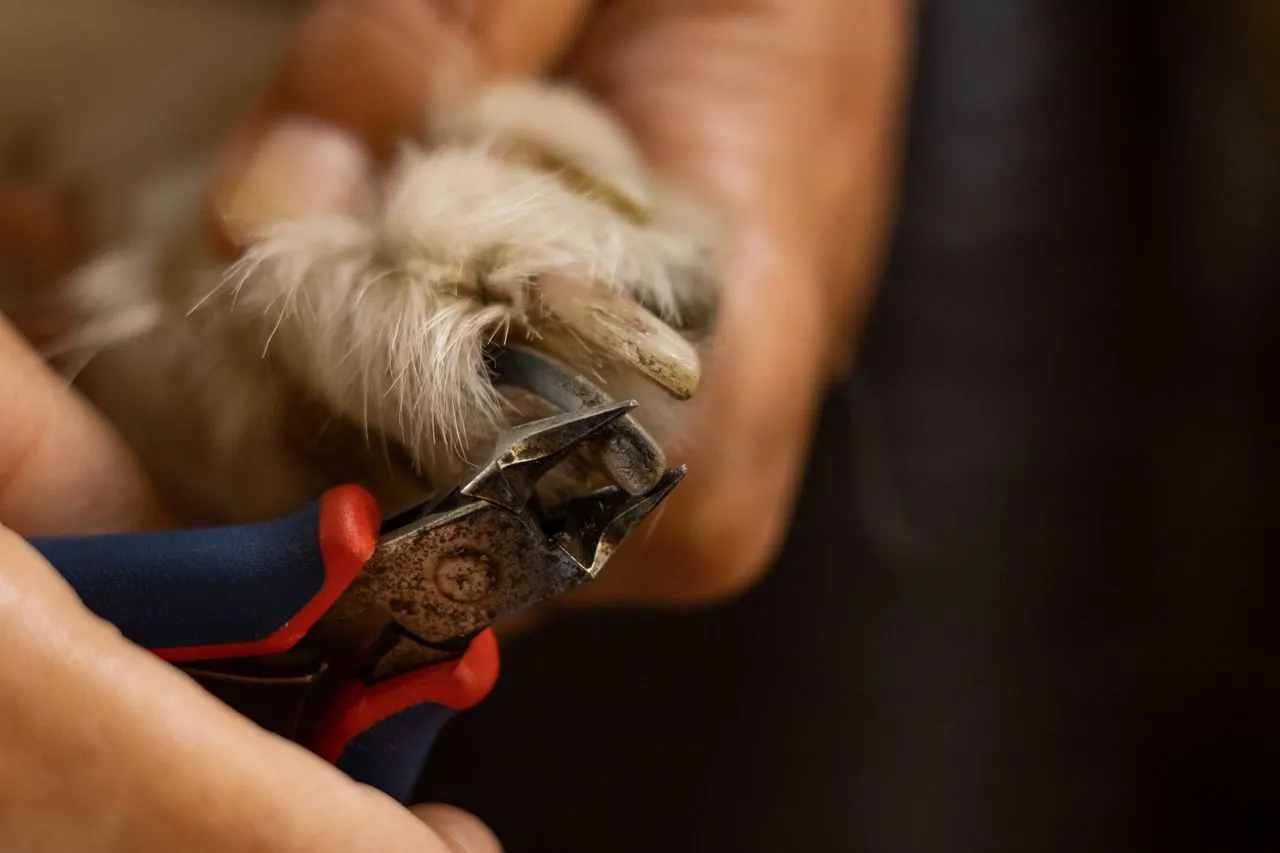
Good dog health isn’t something that happens by accident, and it isn’t something you fix after the fact. The dogs who stay healthiest into old age are usually the ones whose owners treated prevention as a daily habit rather than a once-a-year errand. Age, breed, size, environment, medical history, and lifestyle all shape what a given dog needs, which means there’s no single formula that works for every animal. A Great Dane puppy, a senior Chihuahua, and a middle-aged working Border Collie are all “healthy” in different ways, with different risks and different routines. This guide walks through what that actually looks like in practice — from recognizing the early signs of trouble to building a realistic care routine you can sustain for years.
What Does Good Dog Health Look Like?
Canine wellness isn’t just the absence of disease. It’s a combination of physical health, emotional stability, comfortable movement, appropriate behavior, and protection from preventable illness. The tricky part is that “normal” varies enormously from one dog to the next, so the most useful thing an owner can do is learn their own dog’s baseline rather than compare against some generic standard.
Physical signs of a healthy dog
A dog in good physical condition typically maintains a stable weight, has clear eyes and clean ears, shows healthy skin and coat, breathes comfortably, moves without stiffness or hesitation, and keeps consistent eating and elimination habits. That said, a dog can look perfectly fine on the surface while an early-stage disease is quietly developing underneath. Physical appearance is a useful starting point, not a diagnostic tool.
Behavioral and emotional signs of wellness
Curiosity, social engagement, restful sleep, and a normal interest in daily activities are all reasonable indicators of emotional well-being. On the flip side, sudden withdrawal, irritability, or an unexplained shift in temperament shouldn’t automatically be chalked up to “bad behavior.” These changes sometimes point to pain, fear, or an underlying medical issue that hasn’t shown up physically yet.
Why knowing your dog’s normal baseline matters
Pay attention to appetite, water intake, activity level, stool consistency, urination frequency, breathing pattern, and mobility over time. Once you know what’s typical for your specific dog, subtle deviations become much easier to spot — and that information is genuinely useful to a veterinarian trying to figure out what’s going on.
The Current State of Dog Health
A few recent statistics help frame just how much preventive care matters right now and where the biggest gaps tend to show up.
Rising dog ownership and demand for veterinary care
Roughly 71 million U.S. households owned a dog in 2025 — about 53% of all American households, and an increase of around four million dog-owning households compared to the year before. That growth has put pressure on veterinary practices and made access to affordable, timely care a bigger conversation than it used to be.
Obesity remains one of the largest preventable risks
An analysis of veterinary records covering roughly 4.9 million dogs found that 52.9% of adult dogs were classified as overweight or obese. Excess weight isn’t just a cosmetic issue — it affects mobility, breathing comfort, joint stress, and metabolic health, and it tends to shorten quality of life well before it shortens lifespan on paper. Notably, the same research pointed to weight problems often beginning during a dog’s growth phase and simply carrying into adulthood, which argues for starting portion control early rather than trying to reverse obesity later.
Dental disease is common and often underestimated
A 2026 study of 12,753 dogs across the United States and Canada found that owners reported periodontal disease in 50.5% of dogs, with age and small body size among the strongest risk factors. That’s a striking number, though it’s worth remembering that owner-reported prevalence can shift depending on how disease is defined and detected — plenty of dental disease isn’t visible without a proper oral exam.
Cost and access barriers affect preventive care
One U.S. study on veterinary care access found that 20% of pet owners had difficulty obtaining basic services, including vaccinations and annual exams. Transportation, appointment availability, and cost all play a role. This is a real barrier for a lot of families, and it’s part of why planning ahead — through a preventive-care budget or an honest conversation with your vet about priorities — matters as much as the medical advice itself.
Build a Preventive Veterinary Care Schedule
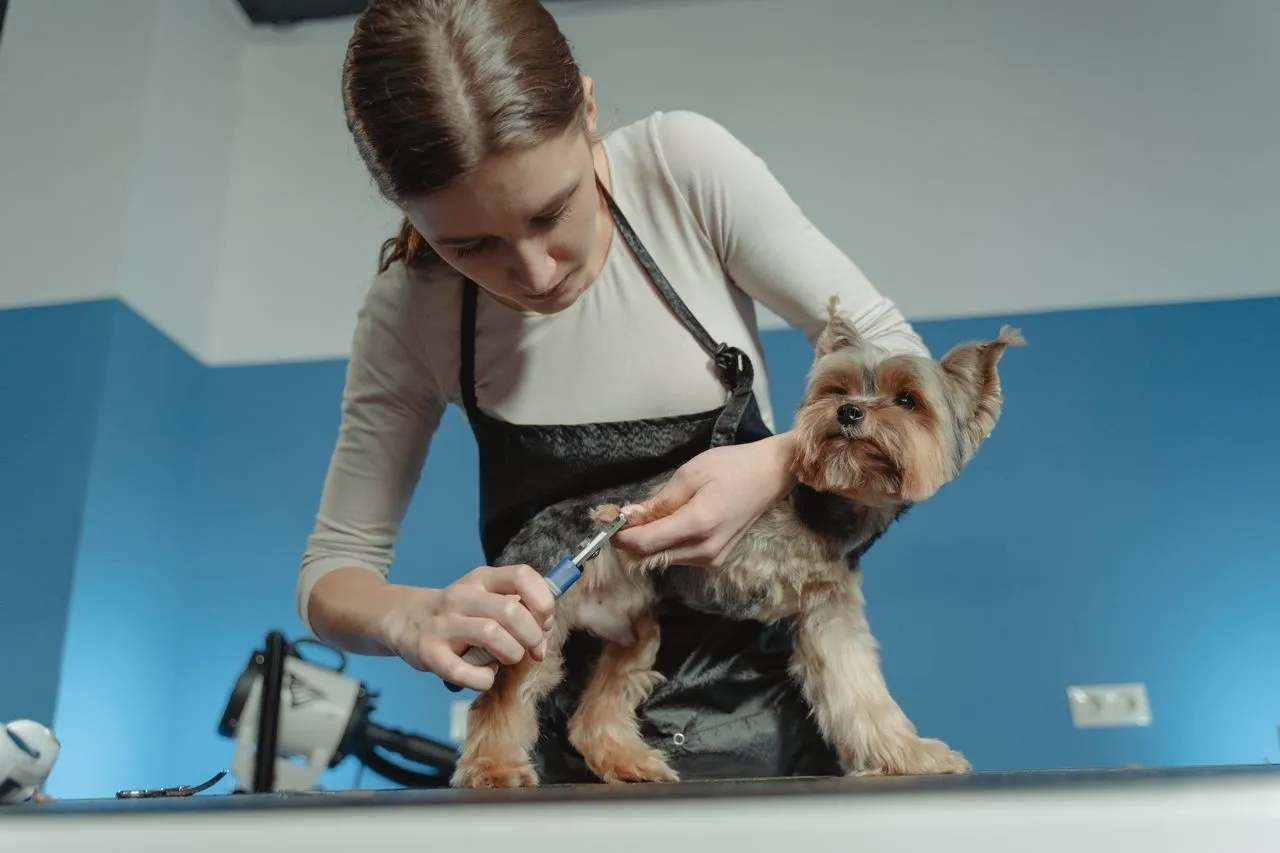
Routine veterinary visits do three things: they establish a health baseline, catch abnormalities before they become serious, and let your vet build a plan tailored to your specific dog. There’s no universal visit schedule that fits every animal — the frequency should be determined with your veterinarian based on age, breed, and risk factors.
Wellness visits for puppies
Puppies need an initial exam, a vaccine series spread across several visits, parasite screening, growth monitoring, nutritional guidance, and evaluation for congenital issues. It’s normal for a puppy to see the vet multiple times in the first few months simply because vaccines and preventive treatments are given in stages, not all at once.
Wellness visits for healthy adult dogs
A typical adult exam covers weight and body condition, heart and lung function, eyes, ears, mouth, skin, joints, and abdomen. Your vet will factor in lifestyle and regional disease risk when recommending which tests, vaccines, and parasite preventives make sense for your particular dog.
Additional monitoring for senior dogs
Older dogs often benefit from more frequent check-ins that look at mobility, cognitive changes, oral health, weight trends, bloodwork, and screening for chronic disease. “Senior” isn’t tied to one universal age — it depends heavily on a dog’s size and expected lifespan, since large breeds tend to age faster than small ones.
What to bring to a veterinary appointment
Bring a list of medications and supplements, details on current food, notes on any recent changes, and photos or videos of symptoms that come and go. That last one is more useful than people realize — a limp or a strange cough that happens at home but disappears the moment you walk into the clinic is much easier for a vet to evaluate on video than from a verbal description.
| Life stage | Main health priorities | Common veterinary focus |
| Puppy | Growth, vaccines, parasites, nutrition, social development | Frequent exams, vaccine series, growth monitoring |
| Young adult | Weight maintenance, behavior, preventive protection | Annual risk assessment, oral exam, parasite control |
| Mature adult | Early disease detection, mobility, and body condition | Lab baselines, closer weight and joint monitoring |
| Senior | Chronic disease, cognition, comfort, quality of life | Individualized exams, diagnostics, pain assessment |
Vaccinations and Infectious-Disease Prevention
Vaccines protect individual dogs and help slow the spread of serious infectious diseases through the broader dog population. Schedules aren’t one-size-fits-all — they depend on age, prior vaccination history, local regulations, current health, and how much exposure risk a dog actually faces.
Core vaccines versus non-core vaccines
Core vaccines are the ones broadly recommended for nearly every dog because the diseases they prevent are severe or widespread. Non-core vaccines are risk-based, meaning your vet will weigh things like boarding, wildlife exposure, travel plans, regional disease patterns, and how much contact your dog has with other dogs before recommending them. The World Small Animal Veterinary Association (WSAVA) recommends that every dog receive appropriate core vaccinations as a baseline.
Why vaccine schedules must be individualized
Puppy vaccine series timing, adult booster intervals, medical history, and legal rabies requirements all factor into a schedule that looks different from dog to dog. WSAVA’s guidance leans toward broad core-vaccine coverage while treating non-core vaccines as a case-by-case decision based on each dog’s actual circumstances.
Reducing exposure to contagious disease
Good hygiene, thoughtful socialization, avoiding shared water bowls in high-traffic areas, and keeping visibly sick dogs away from group settings all reduce transmission risk. None of this means isolating your dog — the goal is balancing infection control with the exercise, training, and social development dogs genuinely need.
Parasite Prevention Throughout the Year
Fleas, ticks, heartworms, and intestinal parasites each carry their own set of health risks, and how much of a threat they pose depends heavily on climate, travel habits, wildlife exposure, and local disease prevalence.
Fleas and ticks
Beyond the obvious itching, fleas and ticks can transmit disease. Veterinarian-approved preventives should be chosen based on your dog’s species, age, weight, and medical history rather than picked off a shelf at random.
Heartworm disease
Heartworms spread through mosquito bites, and prevention is far simpler — and safer — than treating an established infection. Periodic testing matters even for dogs on year-round preventives, since no product is foolproof.
Intestinal parasites
Roundworms, hookworms, whipworms, tapeworms, and Giardia are all fairly common in dogs. Regular fecal testing, prompt cleanup of waste, and basic hand hygiene matter here — some of these parasites can also affect people, particularly children.
Why parasite products should never be chosen by guesswork
Never estimate a dose, combine products without professional guidance, or use medication labeled for a different species or weight range. Build a regional prevention plan with your veterinarian instead of relying on assumptions or advice from a forum.
Nutrition as the Foundation of Dog Health
A suitable diet needs to be complete, balanced, and fed in the right quantity — and there’s a lot of noise online that makes this simple goal harder to achieve than it should be.
Choose food for life stage and individual needs
Puppies, adults, and seniors have different nutritional requirements, and activity level, body size, and medical conditions all factor in too. The most expensive or trendiest food on the shelf isn’t automatically the best choice for your dog.
Understand complete and balanced nutrition
Nutritional adequacy, quality control, and manufacturer expertise all matter more than marketing claims. WSAVA encourages individualized nutritional assessment for each dog and treats both malnutrition and obesity as significant global concerns for pets — not just a matter of picking a “premium” bag off the shelf.
Measure portions and account for treats
Measure meals instead of eyeballing them, and count treats, chews, and table scraps toward the daily calorie total — they add up faster than most people expect. Feeding guides on packaging are starting points, not fixed rules; actual portions often need to be adjusted based on your dog’s real-world body condition.
Approach homemade, raw, and alternative diets carefully
Homemade and raw diets carry real risks around nutritional imbalance, contamination, and formulation errors, though not every alternative diet is equally risky. If you’re considering a long-term homemade diet, work with a veterinarian or a board-certified veterinary nutritionist to make sure it’s actually balanced.
Supplements are not automatically beneficial
Vitamins, minerals, herbal products, and joint supplements aren’t universally helpful — some are unnecessary, some lack solid evidence, and some can be actively inappropriate for dogs with certain medical conditions. Tell your vet about every supplement you’re giving so they can watch for interactions or dosing issues.
Healthy Weight, Exercise, and Physical Fitness
Calorie intake, muscle condition, daily movement, and long-term mobility are all connected, and sustainable routines beat occasional bursts of intense activity.
How to evaluate body condition
Body condition score matters more than the number on a scale. In general, you should be able to feel your dog’s ribs beneath a thin layer of tissue and see some definition at the waist, though this varies by breed and body shape.
Why weight problems often begin early
Overweight body condition during growth tends to carry into adulthood, which is a strong argument for monitoring portions and growth from puppyhood rather than waiting until obesity is already established and harder to reverse.
Match the exercise to the individual dog
Age, breed, fitness level, weather, joint health, and any underlying medical conditions should all shape an exercise plan. A mix of walks, controlled play, training sessions, and low-impact activity usually works better than relying on one type of exercise alone.
Increase activity gradually
Jumping straight into a demanding routine can lead to soreness or injury, especially for dogs who are overweight, older, or coming off a long inactive stretch. A quick veterinary check before starting a serious fitness program is a smart precaution.
Dental Health and At-Home Oral Care
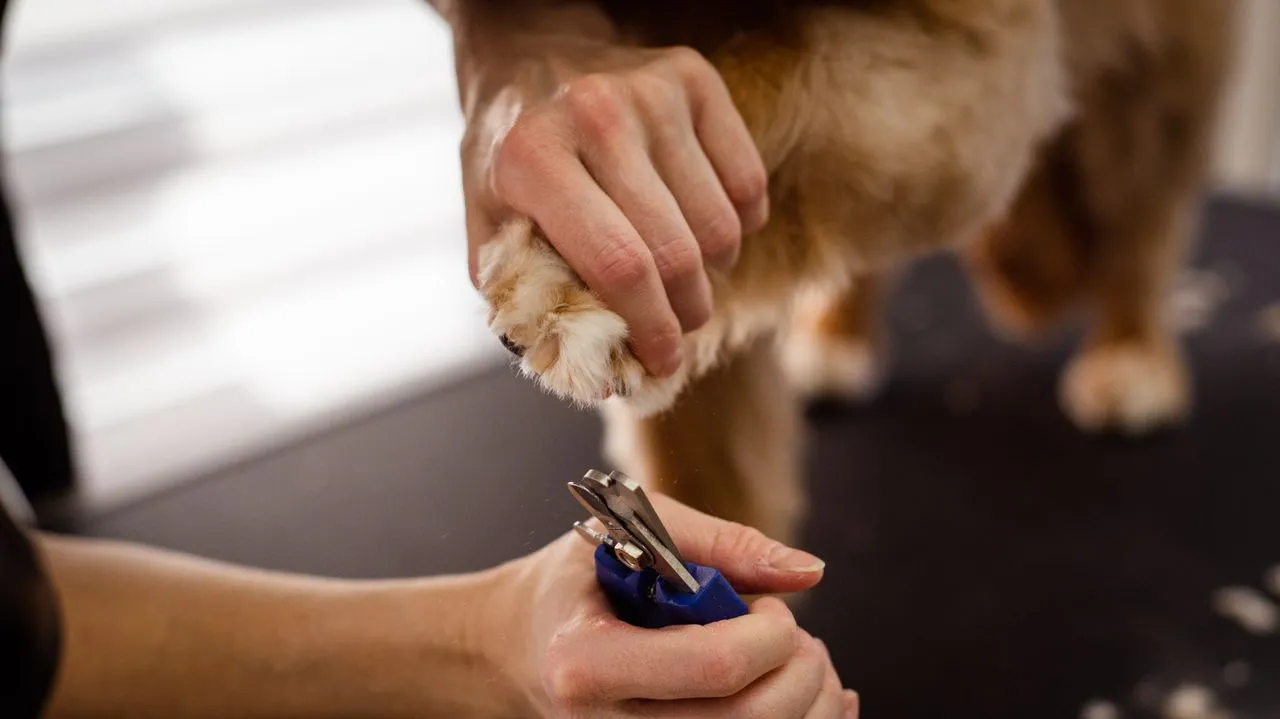
Oral health is a core part of overall wellness, not a cosmetic afterthought. Visible tartar only tells part of the story — a lot of dental disease develops below the gumline where you can’t see it.
Signs of possible dental disease
Persistent bad breath, red or swollen gums, difficulty chewing, dropping food, pawing at the mouth, and reduced interest in hard food or chew toys can all point to dental problems. These signs deserve a veterinary evaluation rather than being written off as “just getting older.”
Daily toothbrushing and appropriate dental products
Start slowly, use a toothpaste made specifically for dogs (human toothpaste isn’t safe for them), and pick a toothbrush sized appropriately for your dog’s mouth. Products carrying recognized veterinary dental evaluation standards can help you sort evidence-backed options from marketing claims.
Why professional dental care may be necessary
A thorough dental exam — including probing and radiographs — usually requires anesthesia to be done properly and safely. The American Animal Hospital Association’s recent dentistry guidance pushes for earlier professional assessment in small and medium-sized dogs, who face a higher risk of periodontal disease at a younger age.
Skin, Coat, Ears, and Routine Grooming
Grooming isn’t just about appearance — it’s one of the easiest ways to catch lumps, parasites, irritation, infections, or subtle changes in body condition early.
Brushing and coat maintenance
Regular brushing removes loose hair, helps distribute natural skin oils, and gives you a chance to notice mats or skin abnormalities before they become bigger problems. How often you need to brush depends heavily on the coat type.
Bathing without damaging the skin barrier
Use products made for dogs and avoid bathing more often than necessary, since overbathing can strip natural oils and irritate the skin. Persistent odor, itching, dandruff, or greasiness is a sign to see a vet, not to reach for more shampoo.
Ear, nail, and paw care
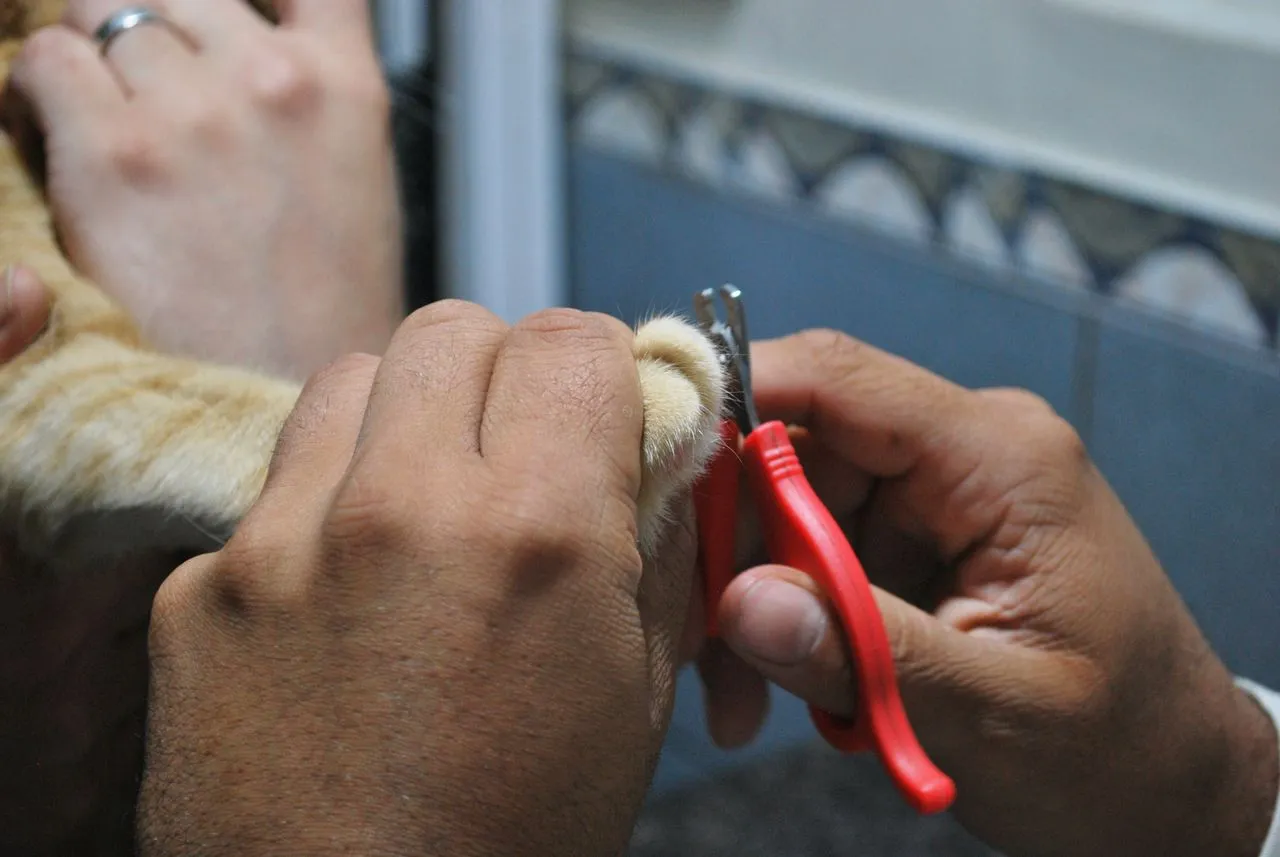
Check ears gently without inserting anything deep into the canal, keep nails trimmed to a safe length, and inspect paws periodically for cracks, irritation, or foreign material like burrs or debris.
Itching is a symptom, not a diagnosis
Fleas, environmental allergies, food reactions, and infections can all cause itching, and they often look similar from the outside. Persistent scratching — especially if it’s disrupting sleep or daily activity — warrants investigation rather than a guess.
Mental Health and Behavioral Wellness
Emotional well-being affects sleep, appetite, learning ability, and the overall relationship between a dog and its owner. Behavior changes are worth paying attention to as health information, not just training challenges.
Provide predictable routines and enrichment
Exercise, scent-based games, food puzzles, training sessions, and adequate rest all contribute to a dog’s mental well-being. Enrichment should match a dog’s actual physical and cognitive abilities — too much challenge can create frustration instead of stimulation.
Recognize stress and anxiety
Pacing, hiding, excessive vocalization, destructive behavior, and difficulty settling down can all signal stress or anxiety. Before assuming a behavior problem is purely psychological, it’s worth ruling out a medical cause — pain in particular is a common and often-missed trigger for behavior changes.
Use humane, reward-based training
Reward-based training tends to support clearer communication and can reduce fear-driven behavior over time. Punishment isn’t a health solution, and it can make things worse if pain or anxiety is actually driving the behavior in question.
Common Dog Health Problems Owners Should Understand
This isn’t meant to help you diagnose your dog at home — it’s a guide to recognizing patterns that deserve veterinary attention.
Digestive problems
Vomiting, diarrhea, constipation, appetite loss, and abdominal discomfort are all common but variable in urgency. How quickly you should act depends on duration, severity, the dog’s age, hydration status, and whether other symptoms are present alongside it.
Allergies and skin infections
Itching, recurring ear problems, redness, and repeated paw licking are frequent complaints. Getting to the bottom of it can involve parasite control, infection testing, dietary trials, or environmental allergy assessment — sometimes all of the above.
Joint disease and mobility loss
Stiffness, reluctance to jump, slower walks, and difficulty rising are common signs of joint issues, especially in older or larger dogs. A veterinarian-directed plan combining weight management, controlled activity, pain treatment, and rehabilitation often works better than any single intervention alone.
Heart and respiratory conditions
Coughing, reduced stamina, changes in breathing, and fainting episodes all warrant a veterinary visit. It’s not realistic — or safe — to try to pin down the cause from symptoms alone at home.
Cancer and chronic disease
Changing lumps, unexplained weight loss, persistent discomfort, and shifts in normal habits are all worth reporting to a vet. The 2026 AAHA oncology guidelines reflect ongoing progress in how cancer is diagnosed, staged, treated, and supported in dogs — this is an area where veterinary medicine continues to move quickly.
Warning Signs That Require Veterinary Attention
Online information can’t determine how serious a specific dog’s symptoms actually are. When in doubt, call — a quick phone conversation with a vet tech or vet is almost always worth it.
Call a veterinarian promptly if your dog shows:
- Difficulty breathing or unusual respiratory effort
- Collapse, extreme weakness, or inability to stand normally
- Repeated vomiting or diarrhea, especially with lethargy
- A swollen or painful abdomen
- Seizures or sudden loss of coordination
- Inability to urinate, or repeated unproductive attempts
- Suspected poisoning or ingestion of a foreign object
- Serious trauma, uncontrolled bleeding, or intense pain
Changes that may be subtle but still important
Unexplained weight change, increased thirst, altered urination, reduced activity, persistent coughing, new lumps, and recurring digestive issues are easy to dismiss individually but matter as patterns. Report the pattern rather than waiting for something more dramatic to show up.
What to do before contacting the clinic
Jot down when the problem started, anything unusual your dog may have eaten, recent medication history, and any video that captures the symptom. Don’t give human medication unless a veterinarian has specifically told you to — many common over-the-counter drugs are toxic to dogs even at doses that seem small.

Dog Health Needs by Age, Breed, and Lifestyle
Preventive care works best when it’s tailored, and that includes accounting for genetics responsibly — without assuming every dog of a given breed will develop the same problems.
Breed and size considerations
Body structure and genetic background can influence dental, orthopedic, skin, heart, or respiratory risk. Responsible screening and veterinary guidance are more useful here than self-diagnosis based on breed reputation alone.
Working, sporting, and highly active dogs
Conditioning, paw care, hydration, rest, and injury prevention all matter for athletic dogs. Planned recovery time is just as important as the exercise itself — overtraining causes real injuries in dogs, the same way it does in people.
Apartment and less-active dogs
Weight management, indoor enrichment, and consistent opportunities for movement matter most here. Limited living space doesn’t automatically mean poor health, as long as physical and mental needs are actually being met.
Dogs that travel, board, or attend daycare
Vaccine status, parasite protection, identification, health documentation, and exposure to contagious illness should all be reviewed before travel or group activities. It’s worth thinking through these risks ahead of time rather than scrambling the day before a trip.
Emerging Trends in Canine Healthcare
New tools are changing what preventive care can look like, though they’re meant to support professional veterinary judgment, not replace it.
Personalized preventive medicine
Care plans increasingly factor in genetics, breed, life stage, environment, and prior test results. Longitudinal health records make it easier to catch subtle changes that might otherwise get missed in one isolated visit.
Wearable health and activity monitors
Devices that track movement, rest, location, and select physiological signals are becoming more common. Accuracy varies a lot between products, though, and none of them should be treated as a diagnostic tool on their own.
Veterinary telehealth and remote follow-up
Telehealth can improve triage, chronic-care communication, and follow-up access, particularly for owners with limited mobility or access to in-person care. Physical exams and diagnostic testing are still necessary for a lot of problems, so telehealth works best as a complement rather than a replacement.
Artificial intelligence in veterinary diagnostics
Research into AI-assisted image analysis, heart-sound interpretation, and medical-record review is advancing. These tools show real promise, but they still require clinical validation and a veterinarian’s oversight before they can be trusted for actual decisions.
New approaches to obesity and chronic-disease management
Therapeutic diets, structured weight-loss programs, and growing interest in medical weight-management options are shaping how vets approach obesity. Even so, recent survey findings suggest effective veterinary weight-loss tools remain underused relative to how widely pet obesity is recognized as a problem.
Creating a Practical Dog Health Routine at Home
All of this only matters if it turns into something you can actually keep up with. Consistency beats perfection here.
Daily health habits
Measured feeding, fresh water, appropriate activity, mental enrichment, and a quick daily glance at appetite, movement, and behavior form the backbone of a solid routine.
Weekly health checks
Check skin, coat, ears, mouth, paws, and nails once a week, noting any new lumps or sensitive spots. It’s also a good moment to review treat intake and notice any shift in body shape.
Monthly and seasonal planning
Weigh your dog when practical, restock parasite preventives before you run out, verify identification information is current, and prepare for seasonal risks like heat, cold, travel, or peak parasite activity.
Maintain a simple health record
Track weight, medications, vaccine history, lab results, food changes, and recurring symptoms somewhere consistent. A running record makes communication between family members, your primary vet, and any specialists a lot smoother — and it saves you from trying to remember details on the spot during an appointment.
Managing the Cost of Dog Healthcare
Financial planning is part of responsible preventive care, though spending more doesn’t automatically mean better outcomes.
Budget for predictable preventive expenses
Wellness visits, vaccines, parasite prevention, dental care, food, and routine diagnostics are all fairly predictable costs. Spreading them out over the year, rather than treating them as occasional surprises, makes them easier to manage.
Prepare for unexpected illness or injury
Emergency savings, pet insurance, and clinic payment plans each have different advantages and trade-offs. If you’re considering insurance, read the exclusions, deductibles, and reimbursement rules carefully before signing up — the details vary a lot between providers.
Ask about levels of care and treatment priorities
Have an honest conversation with your vet about which tests and treatments are most urgent versus optional, and what alternative plans might look like. That conversation helps your vet design a medically sound plan that actually fits your household’s budget.
Common Dog Health Mistakes to Avoid
A few recurring mistakes come up again and again, and most of them are easy to fix once you’re aware of them.
Waiting until symptoms become severe
Dogs are good at hiding discomfort, and subtle changes can carry real clinical significance. Catching a problem early usually means more treatment options and better outcomes than waiting for things to get obviously bad.
Overfeeding because the dog appears hungry
Begging isn’t a reliable signal of actual calorie need — dogs beg out of habit and opportunity as much as hunger. Base portions on body condition, activity level, and your vet’s guidance instead.
Following online health trends without evidence
Fad diets, unverified supplements, home remedies, and confident-sounding diagnostic claims circulate constantly online. Cross-check anything you find against veterinary guidelines and your own dog’s actual medical needs before acting on it.
Using human medications or another pet’s prescription
Drug safety, dosing, and formulation differ significantly across species and even between individual dogs. Only give medication under specific veterinary direction — this is one of the more common and preventable causes of accidental poisoning in dogs.
Ignoring dental care and behavior changes
Bad breath, irritability, reduced interest in play, and altered sleep patterns can all be meaningful health clues. Don’t write these off as inevitable parts of aging without at least ruling out an underlying cause.
Final Dog Health Checklist
Boiled down, a solid dog health plan comes down to a handful of consistent elements: regular veterinary visits, appropriate nutrition, a healthy body condition, up-to-date vaccinations, parasite protection, dental care, sufficient exercise, routine grooming, attention to behavioral wellness, and a willingness to act quickly when something changes. The most effective plan is the one built specifically for your dog, in partnership with a veterinarian who knows their history.
Frequently Asked Questions About Dog Health
How often should a healthy dog visit the veterinarian? It depends on age, health status, and risk factors. Puppies need several visits early on for their vaccine series, while adult and senior schedules should be personalized based on your vet’s recommendations.
What are the most important things for keeping a dog healthy? Complete and balanced nutrition, an appropriate weight, regular exercise, preventive veterinary care, up-to-date vaccines, parasite control, dental care, and consistent observation at home.
How can I tell whether my dog is overweight? Check for felt ribs beneath a thin layer of tissue and some visible waist definition, though coat type and body structure can make this tricky to judge by eye. A veterinarian can confirm body condition more reliably.
Should dogs receive vaccines every year? There’s no single answer that applies to every vaccine. Timing depends on the specific vaccine, prior vaccination history, exposure risk, current health, and local legal requirements.
What health checks can owners perform at home? Regular observation of body condition, mouth, skin, ears, paws, mobility, appetite, thirst, and elimination habits. These checks complement veterinary exams — they don’t replace them.
When is a change in behavior a health concern? Sudden or persistent behavior changes can be linked to pain, neurological issues, sensory decline, anxiety, or environmental stress. When in doubt, it’s worth discussing with a veterinarian rather than assuming it’s purely behavioral.