
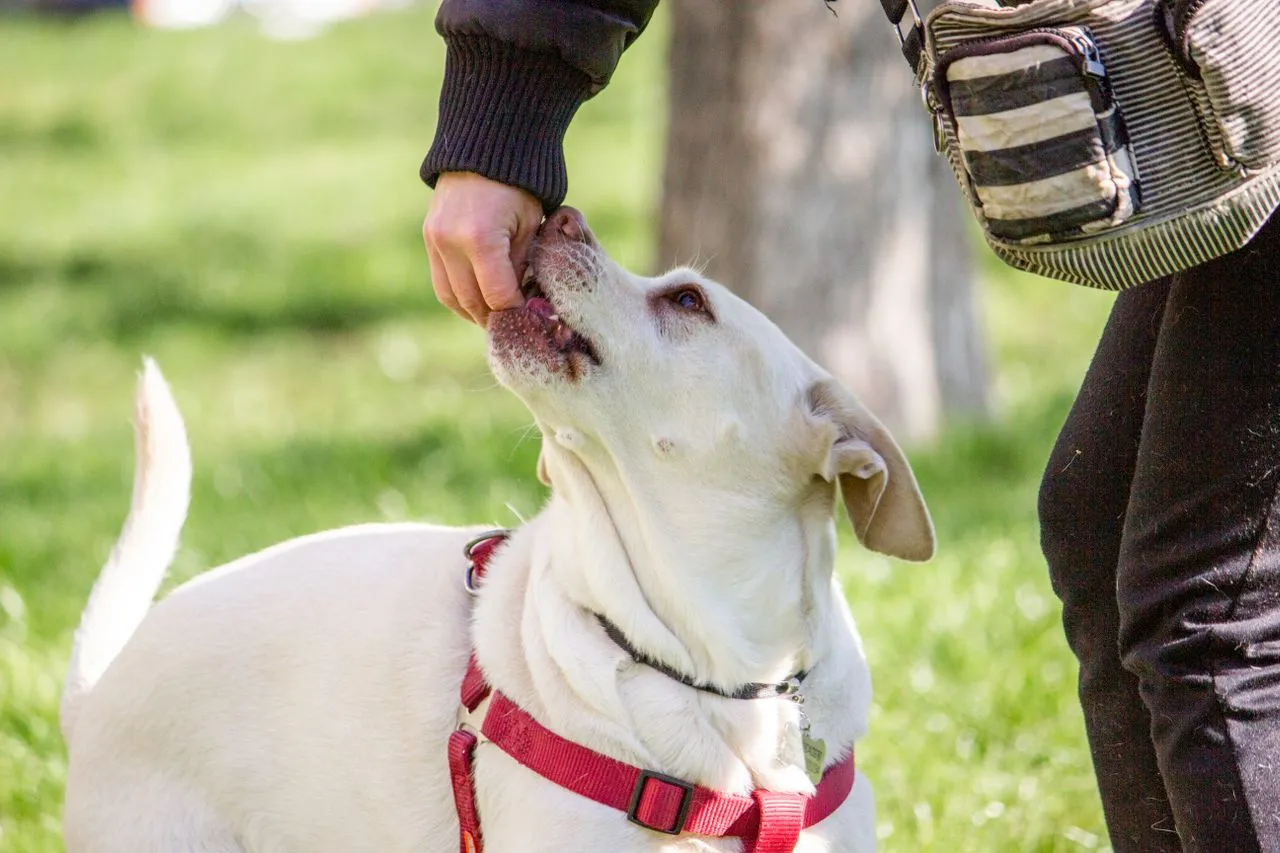
Few breeds inspire the kind of loyalty the Labrador Retriever does. Families keep coming back to this breed generation after generation, and for good reason: Labs are athletic, easygoing, whip-smart, and genuinely happy to be wherever their people are. But “popular” doesn’t automatically mean “easy,” and a lot of first-time owners are surprised by how much dog they’ve brought home. This guide walks through what it’s actually like to live with a Labrador, from puppyhood energy to senior-year joint care, so you can decide whether this breed fits your household — and if it does, how to raise a healthy, well-mannered one.
Labrador Retriever at a Glance
Before getting into the details, it helps to see the big picture. Labradors are medium-large sporting dogs built for endurance rather than speed, with a temperament that leans toward being social, food-motivated, and eager to work alongside people. They’re not a low-maintenance breed in the sense of needing little from you — they’re low-maintenance in that what they need (exercise, training, companionship) is straightforward, even if it’s a daily commitment.
Key Labrador Retriever Facts
- Breed group: Sporting
- Typical height: 21.5–24.5 inches at the shoulder
- Typical weight: 55–80 pounds, with males generally larger than females
- Average lifespan: Around 12 years
- Coat colors: Black, yellow, and chocolate
- Energy level: High, especially before age three
- Trainability: High, with strong food and toy motivation
- Shedding level: Moderate to heavy, with seasonal blowouts
- General temperament: Friendly, outgoing, eager to please
Keep in mind that these numbers describe averages, not guarantees. Two Labradors from the same litter can differ noticeably in size, drive, and coat thickness. Body condition — how a dog looks and feels, not the number on a scale — is usually a better health indicator than weight alone, since a lean 75-pound Lab can be in better shape than a soft 65-pound one.
Why Labrador Retrievers Remain So Popular
The Labrador’s appeal comes down to versatility. Few breeds are as comfortable retrieving ducks from a cold lake, guiding a visually impaired handler through a crowded street, and sprawled across a living room floor. That range is a direct result of decades of breeding for trainability, biddability, and a temperament that tolerates a wide variety of jobs and households.
The American Kennel Club’s 2025 registration statistics placed the Labrador second among all registered breeds, just behind the French Bulldog. That’s worth noting because the Lab held the number-one spot for 31 consecutive years before slipping to second — and it’s stayed there for three years running. A breed doesn’t hold that kind of position on a fluke. It reflects sustained demand from families, hunters, service-dog organizations, and search-and-rescue teams alike.
Labrador Retriever History and Original Purpose
From Newfoundland Water Dogs to British Retrievers
Despite the name, the Labrador Retriever’s roots trace back to Newfoundland, not the Labrador region of Canada. The breed descends from the St. John’s Water Dog, a working dog kept by fishermen off the Newfoundland coast to haul in nets, retrieve fish that slipped the line, and pull ropes between boats. These dogs needed a water-resistant coat, strong swimming ability, and a calm, cooperative disposition to work safely alongside people in cold water.
British sportsmen who encountered these dogs in the early 1800s brought them back to England, where breeders refined them into the retriever we recognize today. So the breed’s working ancestry is Canadian, its formal development is British, and its name is a geographic mix-up that stuck. It’s a strange history for a strange name, but it explains a lot about the dog’s physical and temperamental makeup.
How Working History Shaped the Modern Labrador
Every physical trait that makes a Labrador a Labrador ties back to that fishing-boat job. The dense double coat sheds water and insulates against cold. The thick, powerful “otter” tail acts as a rudder in the water. The soft mouth — a genetic tendency to carry objects without damaging them — comes directly from retrieving fish and game undamaged. Even the breed’s sociability has a practical origin: a dog that worked closely with fishermen in tight quarters needed to be cooperative, not territorial or aggressive.

Labrador Retriever Appearance and Breed Standard
Height, Weight, and Body Structure
A well-built Labrador is compact and athletic, not simply large. Males typically stand 22.5 to 24.5 inches at the shoulder and weigh 65 to 80 pounds; females run slightly smaller, at 21.5 to 23.5 inches and 55 to 70 pounds. The breed standard calls for a broad skull, strong neck, deep chest, and muscular hindquarters built for sustained swimming and retrieving rather than short bursts of speed.
It’s worth repeating that heavier isn’t better. A Lab carrying extra weight isn’t more “substantial” or closer to breed type — it’s simply overweight, and that extra load puts real strain on joints already prone to dysplasia and arthritis.
Coat, Colors, and the Distinctive “Otter” Tail
The Labrador’s coat is short, dense, and weather-resistant, with a soft undercoat that provides insulation in cold water. Three colors are recognized: black, yellow, and chocolate. All three come from the same gene pool and can appear in the same litter, since coat color in Labradors is determined by a relatively simple set of genetic markers rather than separate breeding lines. The thick “otter” tail, wide at the base and tapering to a point, functions almost like a rudder when the dog swims — one of the clearest physical carryovers from its water-dog ancestry.
English, American, Show, and Field Labradors
You’ll often hear people describe a dog as an “English Lab” or an “American Lab,” but neither is a recognized separate breed — they’re informal shorthand for different breeding emphases. Show-oriented lines (sometimes called “English”) tend toward a stockier build, a blockier head, and often a calmer temperament as adults. Field-oriented lines (sometimes called “American”) tend to be leaner, faster, and more intensely driven, bred primarily for hunting and field trial performance.
| Labrador description | Common physical or behavioral tendencies | Best suited for |
| Show-bred or “English” Lab | Stockier build and often calmer maturity | Families, showing companionship |
| Field-bred or “American” Lab | Leaner build and stronger working drive | Hunting, sports, active homes |
| Dual-purpose Lab | Combination of working ability and breed type | Active families seeking versatility |
| Assistance or service line | Selected for stability and trainability | Specialized working programs |
These are general tendencies, not guarantees. Temperament in any individual dog depends on genetics, socialization, training, health, and plain old personality — a field-bred Lab can settle into apartment life just fine, and a show-bred Lab can be a handful as a puppy.
Labrador Retriever Temperament and Personality
Friendly, Social, and People-Oriented Behavior
Labradors are typically confident, affectionate, and genuinely interested in the people around them — including strangers, which is one reason they rarely make good guard dogs. They want to be part of whatever’s happening, whether that’s a hike, a car ride, or just sitting near you while you work. That said, friendliness isn’t a substitute for training. A Lab that bulldozes toward every person and dog it meets still needs supervised, controlled introductions and reliable manners around greetings.
Energy, Enthusiasm, and Slow Maturity
Here’s what catches a lot of new owners off guard: Labradors mature slowly, both physically and behaviorally. Many don’t fully settle until age three, sometimes later. A one-year-old Lab that’s still jumping, mouthing, and blowing past basic commands isn’t being stubborn — that’s normal adolescent behavior for the breed, and it takes consistent training and patience to work through, not punishment.
Are Labrador Retrievers Good With Children?
Generally, yes — well-socialized Labradors tend to do well with kids, and their sturdy build and tolerant nature make them a common choice for families. But “good with children” doesn’t mean unsupervised. A large, excited Lab can knock over a toddler without any bad intent. Supervision matters, and so does teaching kids not to approach the dog while it’s eating or resting, not to take toys away abruptly, and to recognize signs that the dog wants space.
Living With Other Dogs and Household Pets
Labradors are usually social with other dogs, but individual compatibility still matters — breed reputation isn’t a substitute for a proper introduction. Go slow with new dogs or cats, manage resources like food and toys carefully during the adjustment period, and keep in mind that a Lab’s retrieving instinct can sometimes translate into chasing smaller pets, especially early on.

Is a Labrador Retriever Right for Your Lifestyle?
Best Homes for Labrador Retrievers
The ideal Labrador household includes daily interaction, structured exercise, ongoing training, and consistent attention to weight. A yard is a nice bonus, but it doesn’t replace a person walking the dog, playing fetch, or working on obedience. A Lab left to entertain itself in a backyard all day, without engagement from its owners, tends to develop the exact problems people complain about: excessive barking, digging, and destructive chewing.
Apartment Living With a Labrador
A Labrador can absolutely thrive in an apartment, provided its exercise and mental stimulation needs are met elsewhere. That means factoring in elevator trips, a reliable toileting routine, and easy access to nearby walking areas. It also means being honest about noise and space limitations during adolescence, when a Lab’s energy and size can feel like a lot in a small unit.
Who May Struggle With This Breed?
Labradors aren’t the right fit for every household. People who are away for long stretches with limited exercise options, unwilling to commit to consistent training, bothered by significant shedding, or not physically prepared to handle a strong 70-pound dog on a leash may find this breed frustrating rather than rewarding. None of this makes the breed “bad” — it just means the fit matters more than the breed’s reputation.
Time and Financial Commitment
Budget for more than the adoption or purchase price. Food, routine veterinary care, preventive medications, training classes, grooming supplies, pet insurance, boarding, and the occasional emergency vet visit all add up over a Labrador’s 10-to-14-year lifespan. That’s a long commitment, and life circumstances change — job relocations, new babies, health issues — but the dog’s needs stay constant throughout.
Labrador Retriever Exercise and Mental Stimulation
Daily Exercise for Adult Labradors
Purposeful activity — brisk walks, structured fetch, swimming, hiking, scent games, and safe off-leash time — supports a Labrador’s behavior, cardiovascular health, and weight. There’s no single number of minutes that fits every dog; intensity and duration should scale with age, fitness level, weather, and any underlying health conditions. A vet or experienced trainer can help calibrate this for your specific dog.
Exercise Needs for Labrador Puppies
Puppies need shorter, lower-impact activity with plenty of rest between sessions. Growing joints are vulnerable to damage from repetitive high-impact exercise, forced long-distance runs, and excessive jumping, so resist the urge to over-exercise a young Lab just because it seems to have boundless energy. Play and exploration matter more than mileage at this stage.
Mental Enrichment for an Intelligent Working Breed
Labradors were bred to think and problem-solve, not just move. Food puzzles, scent-based searches, retrieving games, obedience drills, and rotating toys all give a Lab’s brain something to do. Mental work helps reduce boredom-driven behavior, but it works best alongside physical exercise, not instead of it.
Swimming and Water Safety
Many Labradors take to water naturally, but not all of them, and confidence varies by individual. Introduce swimming gradually, choose clean water sources, use a properly fitted life jacket when conditions call for it, and supervise closely. Rinse and dry ears thoroughly afterward to reduce infection risk, and avoid cold, fast-moving, or contaminated water regardless of how eager the dog seems.
Training a Labrador Retriever
Start With Socialization and Household Skills
Early, positive exposure to people, animals, new environments, handling, grooming, vehicles, household sounds, and veterinary visits builds a confident adult dog. The goal is calm, positive, or neutral experiences — flooding a puppy with too much stimulation too fast can backfire and create fear instead of confidence.
Essential Commands and Everyday Manners
Prioritize the basics that make daily life manageable: name recognition, reliable recall, loose-leash walking, “leave it,” “drop it,” settling on command, polite greetings, and waiting calmly at doors. These aren’t just party tricks — they’re the difference between a large, strong adult dog that’s a pleasure to live with and one that’s constantly being managed reactively.
Managing Jumping, Mouthing, and Chewing
These behaviors are extremely common in young Labradors and usually stem from excitement, teething, or a simple lack of an appropriate outlet. Redirect toward acceptable alternatives — a chew toy instead of a shoe, a sit instead of a jump — and reinforce calm behavior consistently. Adequate rest matters too; an overtired puppy often acts out more, not less.
Using Food Rewards Without Causing Weight Gain
Since food motivation runs high in this breed, it’s worth being deliberate about treats. Measure training rewards out of the dog’s daily food allowance rather than adding them on top, use small pieces, and mix in play or access to a favorite activity as a reward when it fits. This becomes especially important given the breed’s elevated risk of obesity, covered in more detail below.
Dog Sports and Working Roles
Labradors excel across a wide range of structured activities: retrieving trials, obedience, rally, agility, scent work, dock diving, search and rescue, assistance work, and therapy visits. Whether a particular dog is suited to any of these depends on individual health, temperament, training history, and — for working roles — formal certification requirements.

Feeding a Labrador Retriever and Preventing Obesity
Choosing an Appropriate Diet
Look for a complete and balanced food matched to your dog’s life stage, activity level, and any health considerations. If you’re thinking about a specialized diet, addressing allergies, or managing a medical condition, loop in your veterinarian before making major changes.
Portion Control and Meal Scheduling
The feeding guidelines on a dog food bag are starting points, not precise prescriptions — they’re written for a wide range of dogs and don’t account for your individual Lab’s metabolism or activity level. Measure meals, adjust based on body condition and weight trends over time, and avoid leaving food out for free access, which makes overeating far too easy.
Understanding the Labrador’s Genetic Appetite
There’s real science behind why Labradors seem perpetually hungry. Researchers have identified a variant in the POMC gene, found in roughly a quarter of Labradors, that’s associated with increased food motivation and higher obesity risk. A 2024 study out of Cambridge found that dogs carrying this variant tend to feel hungrier between meals and burn less energy at rest compared to dogs without it.
More recent genomic work published in 2025 expanded on this, identifying multiple genes linked to body condition in Labradors — suggesting that appetite and weight regulation in this breed involve a broader genetic network rather than one single variant acting alone. None of this means obesity is inevitable. It means genetically predisposed dogs need more deliberate portion control and activity management to stay lean, not that the outcome is out of an owner’s hands.
How to Monitor Body Condition at Home
Run your hands along your dog’s ribs — you should be able to feel them easily under a thin layer of fat, without heavy pressure. Look at the waist from above; there should be a visible narrowing behind the ribs. Check the abdominal profile from the side for a tuck upward toward the hind legs. Weigh your dog regularly and track the trend over time. Because a Labrador’s thick coat and broad frame can mask early weight gain, it’s worth having a veterinarian confirm your assessment periodically rather than relying on visual checks alone.
Treats, Table Food, and Food-Stealing Risks
Calorie-dense treats add up fast, especially when multiple family members are feeding the dog without coordinating. Combine that with a Lab’s talent for counter surfing and raiding unsecured trash, and weight creep — or worse, an emergency vet visit for a swallowed foreign object or toxic food — becomes a real risk. Set household-wide feeding rules and keep food and trash secured.
Labrador Retriever Health Problems
Hip and Elbow Dysplasia
Abnormal development of the hip or elbow joints can lead to pain, arthritis, stiffness, and reduced activity over time. Responsible breeders screen parent dogs for these conditions before breeding, but owners also play a role by maintaining a lean body condition, providing appropriate (not excessive) exercise, and seeking veterinary evaluation if a dog shows signs of discomfort.
Obesity and Weight-Related Disease
Given the breed’s genetic predisposition toward food motivation, weight management deserves ongoing attention rather than a one-time conversation. Excess weight compounds orthopedic stress, accelerates mobility problems, and reduces overall quality of life. In a large UK veterinary-record study of 33,320 Labradors, overweight or obesity was among the most frequently recorded conditions, affecting 8.8% of the detailed sample.
Ear Infections
Floppy ears trap moisture and reduce airflow, and combined with allergies and frequent swimming, that makes ear infections a common issue in this breed. In fact, that same UK study found otitis externa (ear infection) to be the single most commonly recorded specific disorder, showing up in 10.4% of sampled dogs. Regular ear checks and thorough drying after water exposure go a long way toward prevention.
Joint Disease, Lameness, and Arthritis
Degenerative joint disease and lameness showed up in 5.5% and 4.4% of dogs, respectively, in the same study — more common in overweight, highly active, or older dogs. If your Lab starts limping or seems reluctant to jump or climb stairs, get it checked out rather than assuming it will resolve with rest or over-the-counter medication, some of which can be dangerous for dogs.
Exercise-Induced Collapse
Exercise-induced collapse (EIC) is an inherited neuromuscular condition that causes affected dogs to lose muscle control after intense exercise or high excitement. A DNA test is available to identify carriers, and the Labrador Retriever Club includes EIC screening among its recommended pre-breeding health clearances.
Eye and Other Inherited Conditions
Progressive retinal atrophy and other inherited eye disorders can affect Labradors, which is why regular eye exams and, where relevant, DNA testing are part of responsible breeding practices. Less common inherited conditions — including centronuclear myopathy and hereditary nasal parakeratosis — also exist in the breed, though most general owners won’t need to track every possible genetic test in depth; that’s more relevant when evaluating a breeding program.
Dental Disease and Preventive Care
Periodontal disease was another commonly recorded condition in the UK study, present in 4.2% of the sample. Regular home brushing, routine veterinary dental checks, and professional cleanings when needed all help prevent the pain and systemic health issues that untreated dental disease can cause.
Labrador Retriever Lifespan and Senior Care
How Long Do Labrador Retrievers Live?
That same large-scale UK study reported a median lifespan of around 12 years across 33,320 Labradors. Median lifespan describes the point at which half the dogs in the study had died, and half hadn’t — it’s a useful population-level benchmark, but it isn’t a prediction for any individual dog, whose actual lifespan depends on genetics, weight, health care, and a fair amount of luck.
Signs a Labrador Is Entering the Senior Stage
Watch for reduced stamina, stiffness after rest, changes in vision or hearing, shifts in sleep patterns, altered social behavior, unexplained weight changes, and difficulty navigating stairs or slick floors. Not every change is “just old age” — some of these signs warrant a veterinary visit rather than automatic acceptance as normal aging.
Supporting an Aging Labrador
Senior Labs benefit from regular veterinary monitoring, continued weight control, exercise adapted to their current ability rather than their younger self, supportive bedding, added traction on slippery floors, ramps for furniture or vehicles, ongoing dental care, and mental enrichment suited to their pace. Feeding adjustments should be based on the individual dog’s health and activity, not simply switched to a “senior” formula by default at a certain age.
Labrador Retriever Grooming and Routine Care
Brushing and Managing Seasonal Shedding
The double coat sheds year-round with heavier seasonal blowouts, typically in spring and fall. Regular brushing with tools designed for short double coats helps manage loose hair, but avoid overusing aggressive de-shedding tools, which can irritate the skin if used too frequently or too forcefully.
Bathing and Coat Care
How often you bathe a Labrador depends on activity level, swimming frequency, skin condition, and odor rather than a fixed schedule. Use dog-formulated shampoo, and rinse and dry thoroughly — particularly around the ears and any skin folds — to avoid trapped moisture that can lead to irritation or infection.
Ear, Nail, and Dental Care
A simple routine of checking ears for redness or odor, trimming nails before they touch the ground when the dog stands, and brushing teeth several times a week keeps most issues from developing in the first place. Training a puppy to accept handling calmly makes all of this dramatically easier throughout the dog’s life.
Should a Labrador’s Coat Be Shaved?
Shaving a healthy double-coated Labrador is generally a bad idea. It doesn’t reduce shedding the way people expect, and it can interfere with the coat’s natural insulation and weather resistance. Shaving is really only appropriate when a veterinarian recommends it for a specific medical reason.

Choosing a Labrador Puppy or Adult Dog
How to Identify a Responsible Labrador Breeder
Good breeders prioritize health testing, sound temperament, proper early socialization, thoughtful placement with suitable families, clear contracts, and a genuine commitment to their dogs for life — including taking a dog back if a placement doesn’t work out. The breed’s popularity has an unfortunate side effect: it draws in high-volume or poorly screened breeding operations looking to cash in, so due diligence matters.
Health Tests to Verify Before Buying a Puppy
Ask for independently verifiable hip, elbow, eye, and breed-relevant DNA results — ideally through an organization like the Orthopedic Foundation for Animals — rather than accepting verbal assurances or screenshots. A CHIC number confirms that the required tests were completed, not that the results were excellent, so review the actual findings rather than just the certification itself.
Questions to Ask the Breeder
Ask about temperament across the litter, longevity in previous generations, joint health, allergies, seizure history, cancer in the line, working style, how puppies are socialized, the breeder’s return policy, and what support they offer after you take the puppy home. Meeting the mother and seeing the environment the puppies were raised in tells you a lot that paperwork alone can’t.
Adopting a Labrador From a Rescue
Adopting an adult or mixed Labrador has real advantages — size, personality, and any behavioral quirks are usually already apparent, which takes some of the guesswork out of the decision. Ask rescues about medical history, behavior assessments, foster-home observations, any resource-guarding tendencies, how the dog handles being left alone, and compatibility with kids or other animals.
Choosing Between a Puppy and an Adult Labrador
Puppies require more time, more training from scratch, and more patience through an unpredictable adolescence. Adult dogs often come with more predictable energy and personality, and sometimes existing training. Neither option is inherently better — the right choice depends on your lifestyle, experience level, and what you’re prepared to handle.
Common Myths About Labrador Retrievers
“All Labradors Are Naturally Easy to Train”
Labs tend to learn quickly, but “quickly” isn’t the same as “automatically.” They still need repetition, consistent management, reinforcement, and realistic expectations for their age. Strong food motivation helps with training, but it can just as easily fuel counter surfing and scavenging if it isn’t channeled properly.
“Labradors Need a Huge Yard”
A big yard without walks, training, and mental engagement can leave a Labrador just as understimulated as in a small apartment. Active involvement from the owner matters more than square footage.
“Coat Color Determines Personality”
Black, yellow, and chocolate Labradors are the same breed with the same range of possible temperaments. Personality is shaped far more by breeding goals, parental temperament, early experiences, health, and training than by coat color — despite persistent folklore suggesting otherwise.
“Labradors Know How to Swim Automatically”
Many Labs have strong natural instincts toward water, but instinct isn’t the same as skill or confidence. Gradual introductions, supervision, safe water conditions, and a clear exit route from pools or open water all still matter, regardless of how eager a dog seems at first.
Pros and Cons of Owning a Labrador Retriever
Reasons People Love Labradors
Companionship, trainability, versatility, sociability, athleticism, and a genuine willingness to adapt to nearly any family or working role explain why this breed has stayed near the top of the popularity charts for decades.
Challenges Prospective Owners Should Expect
Significant shedding, food obsession, an excitable adolescence, chewing, high exercise requirements, real physical strength, ongoing weight-management demands, and the possibility of inherited health problems are all part of the package. None of these are dealbreakers for most owners, but they’re worth going in with eyes open.
Frequently Asked Questions About Labrador Retrievers
Are Labrador Retrievers good family dogs? Generally, yes. Properly bred, socialized, trained, and exercised Labradors tend to make excellent family companions, though supervision around young children is still important.
Do Labrador Retrievers shed a lot? Yes. They shed year-round and typically go through heavier seasonal shedding periods, often in spring and fall.
Are Labrador Retrievers hypoallergenic? No. No dog breed is completely allergen-free, and Labradors are not considered hypoallergenic.
How much exercise does a Labrador need? It varies by age, health, working drive, weather, and fitness level. Rather than aiming for one universal number, combine physical activity with training and mental enrichment tailored to your individual dog.
What is the difference between a Labrador and a Golden Retriever? The most obvious difference is coat — Goldens have a longer, feathered coat that requires more grooming, while Labradors have a short, dense coat. Both breeds share a lot of retriever traits, but individual temperament varies more within each breed than the general stereotypes suggest.
Can Labrador Retrievers be left alone? Adult Labradors can typically learn to handle reasonable periods alone. Puppies need much more frequent attention, and the breed as a whole tends to struggle with chronic, prolonged isolation.
Which Labrador color is best? None. Black, yellow, and chocolate are equally valid choices — health, temperament, and breeder quality matter far more than coat color.
How much does a Labrador Retriever cost? The purchase or adoption price is just the starting point. Budget for food, preventive veterinary care, training, grooming, equipment, boarding, and the possibility of unexpected medical treatment over the dog’s lifetime.
Final Considerations Before Getting a Labrador Retriever
The Labrador’s popularity isn’t an accident — it’s built on decades of proven versatility, trainability, and a genuine affinity for people. But that same popularity means a lot of dogs end up in homes that aren’t quite ready for the exercise, training, and weight-management commitment this breed requires. If you’re prepared for daily activity, consistent training, ongoing preventive care, and a long-term financial commitment, a well-matched Labrador from a responsible breeder or rescue can be one of the most rewarding dogs you’ll ever own. Choose based on health, temperament, and fit for your life — not on color or popularity alone.