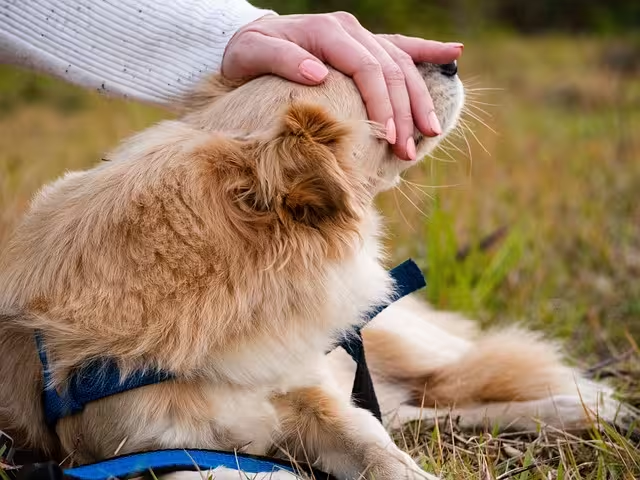

Your dog can’t tell you when something’s wrong. No matter how in tune you are with your pup, you’re working from clues — a skipped meal, an extra hour of sleep, a low-key mood that doesn’t quite match the tail-wagging goofball you know. Learning to read those clues isn’t just useful. It’s often the difference between catching a problem early and finding out too late.
This guide walks through the most common signs of illness in dogs, the emergency symptoms that mean “drop everything and go,” the diseases most likely to be behind them, and what you can do — starting today — to keep your dog healthier for longer.
Why Dogs Often Hide Illness
Dogs are hardwired to mask pain and weakness. It’s a leftover survival instinct: in the wild, an animal that looks sick or injured becomes a target. Even though your dog’s biggest predator these days is probably a vacuum cleaner, that instinct hasn’t gone anywhere. It’s baked into their behavior.
That’s exactly why subtle symptoms matter so much. A dog in real distress may still greet you at the door and eat dinner — just a little slower, a little less enthusiastically. Veterinary experts consistently point out that behavioral changes are usually the earliest indicator of illness, often showing up well before any obvious physical symptom does. The dog who’s suddenly quieter, less interested in walks, or sleeping in a different spot than usual is often telling you something, even if nothing looks physically “wrong” yet.
Why Early Detection Saves Lives
Catching illness early isn’t just about peace of mind — it changes outcomes in very concrete ways.
Better treatment outcomes. Most diseases, from kidney disease to cancer, are far more manageable when caught in their earlier stages. Waiting until symptoms are severe often means fewer treatment options and a tougher recovery.
Lower veterinary costs. A routine blood panel or a same-week vet visit is almost always cheaper than emergency surgery or a multi-day hospital stay.
Improved quality of life. Dogs who get help early tend to bounce back faster and experience less prolonged discomfort — which matters just as much as the medical outcome itself.
This is part of why preventive care has become such a bigger priority for pet owners lately. Rather than waiting for a crisis, more people are scheduling wellness visits proactively, and a growing number are using tools like smart collars and AI-assisted screening apps to catch subtle changes in movement, sleep, and heart rhythms before they become obvious problems.

How Healthy Dogs Normally Behave
Before you can spot what’s abnormal, it helps to know what “normal” looks like for your dog specifically. Baselines vary by breed, age, and individual personality, but here’s a general picture.
Normal Appetite
A healthy dog is reliably interested in food, eats at a fairly consistent pace, and doesn’t repeatedly turn away from meals they’d normally enjoy.
Healthy Energy Levels
Energy naturally shifts with age — a two-year-old Labrador and a twelve-year-old Labrador won’t have the same zoom-around-the-yard stamina. But within their own age range, a healthy dog should have a fairly steady, predictable energy pattern day to day.
Normal Bathroom Habits
Regular, well-formed stools and a consistent urination schedule are good signs that digestion and kidney function are working the way they should.
Typical Sleeping Patterns
Dogs sleep a lot — often 12 to 14 hours a day, more for puppies and seniors. What matters is consistency. A sudden shift toward sleeping noticeably more, or restlessness that disrupts normal sleep, is worth paying attention to.
The Most Common Signs Your Dog Is Sick
Here are the symptoms that show up most often — some minor, some far more serious depending on context.
Loss of Appetite
Skipping one meal usually isn’t cause for panic. But a dog who refuses food for more than 24 hours, or who shows a sustained drop in interest in eating, could be dealing with anything from dental pain to gastrointestinal illness to something more systemic.
Vomiting
Occasional vomiting can happen for harmless reasons, like eating too fast or grabbing something outside they shouldn’t have. But it’s also one of the most common reasons dogs end up at the vet — gastrointestinal issues like vomiting, diarrhea, appetite loss, and stomach upset account for roughly one in three veterinary visits. Repeated vomiting, or vomiting alongside lethargy or blood, is a red flag.
Diarrhea
Like vomiting, occasional diarrhea can result from a diet change or minor stomach upset. Diarrhea that lasts more than a day, contains blood, or comes with dehydration is a different story.
Excessive Drinking
A dog suddenly draining the water bowl multiple times a day can be an early sign of kidney disease, diabetes, or a hormonal imbalance.
Increased Urination
Often paired with excessive thirst, more frequent urination — or accidents from a previously house-trained dog — can point to the same underlying issues.
Weight Loss
Unexplained weight loss, especially when appetite hasn’t changed, deserves attention. It can signal anything from parasites to metabolic disease to cancer.
Weight Gain
On the flip side, weight gain matters too. Nearly half of companion animals are considered overweight or obese, which raises the risk of diabetes, arthritis, heart disease, and a shorter lifespan overall. It’s one of the most preventable health risks out there.
Persistent Coughing
A cough that sticks around for more than a day or two — especially in older dogs — can be linked to respiratory infections, heart disease, or airway irritation.
Heavy Panting
Some panting is completely normal, especially after exercise or in warm weather. Panting that happens at rest, or seems excessive for the situation, can indicate pain, heart problems, or overheating.
Trouble Breathing
Labored breathing, unusual breathing sounds, or blue-tinged gums are far more urgent and should never be brushed off.
Limping
Sudden limping might mean a minor strain. Limping that doesn’t improve, or that includes visible swelling, often points to something that needs veterinary attention — particularly in older dogs, where joint disease is extremely common. More than 80% of dogs over age 8 show signs of degenerative joint disease or arthritis, making limping one of the most important senior-dog symptoms to watch for.
Difficulty Standing
Struggling to get up, trouble with stairs, or a wobbly gait can reflect joint pain, neurological issues, or muscle weakness.
Lethargy
An unusually low-energy dog — one who’s not interested in play, walks, or their usual routines — is showing one of the clearest behavioral signs that something’s off.

Sleeping More Than Normal
A noticeable increase in sleep, separate from the natural slowing that comes with age, can be an early symptom of illness.
Bad Breath
Beyond just being unpleasant, persistent bad breath is frequently a sign of dental disease, which is far more common — and far more consequential — than most owners realize.
Changes in Coat or Skin
Dull fur, excessive shedding, flaking, or new bald patches can point to nutritional deficiencies, allergies, hormonal issues, or parasites.
Red Eyes or Eye Discharge
Redness, cloudiness, or discharge can indicate infection, irritation, or in some cases, more serious underlying conditions.
Ear Odor or Ear Scratching
A bad smell from the ears, frequent head-shaking, or scratching often signals an ear infection — one of the more common (and treatable) issues dogs face.
Behavior Changes
This is the big one. Changes in mood, sociability, or daily habits are often the earliest window into a health problem, showing up before anything physical does.
Unusual Aggression or Hiding
A normally friendly dog who suddenly snaps, growls, or withdraws to hide in unusual places may be in pain. Hiding, in particular, is a classic sign that a dog doesn’t feel well.
Emergency Signs That Require Immediate Veterinary Care
Some symptoms don’t leave room for a “wait and see” approach. If you notice any of the following, treat it as an emergency and get to a vet — or an emergency animal hospital — right away.
- Difficulty breathing
- Repeated vomiting
- Seizures
- Collapse or unconsciousness
- Bloated abdomen
- Heavy bleeding
- Inability to urinate
- Blue or pale gums
Difficulty Breathing can indicate anything from an airway obstruction to heart failure.
Seizures — even a single one — warrant an immediate vet call, especially if it’s the dog’s first.
Collapse is always an emergency, regardless of how quickly the dog seems to recover afterward.
Bloody Vomit or Stool can point to internal bleeding, poisoning, or a serious gastrointestinal condition.
Severe Bloating, especially a hard, swollen abdomen, can indicate a life-threatening condition called gastric dilatation-volvulus (bloat), which can progress within hours.
Poisoning Symptoms — drooling, tremors, vomiting, disorientation — need urgent care and, ideally, a call to a pet poison hotline en route to the clinic.
Unable to Urinate can signal a urinary blockage, which is especially dangerous in male dogs and can become fatal quickly if untreated.
Common Diseases Behind These Symptoms
Many of the symptoms above overlap across multiple conditions, which is part of why professional diagnosis matters so much. Here are some of the most common culprits.
Kidney Disease
Often shows up first as increased thirst and urination, sometimes alongside weight loss and appetite changes.
Diabetes
Also linked to excessive thirst and urination, plus weight loss despite a normal or increased appetite.
Arthritis
Extremely common in older dogs, arthritis is behind a large share of limping, stiffness, and reluctance to move. Dogs over 7 are significantly more likely to develop chronic conditions like this one, along with kidney disease, heart disease, and cancer.
Heart Disease
Coughing, fatigue, and labored breathing can all point back to cardiac issues — one of the reasons newer AI-assisted screening tools have become popular for catching heart murmurs early.
Dental Disease
Bad breath, difficulty chewing, and pawing at the mouth are common signs, and dental disease is one of the most under-treated conditions in dogs.
Parasites
Intestinal parasites can cause diarrhea, weight loss, and a dull coat, even in dogs that otherwise seem fine.
Tick-Borne Diseases
These continue to increase across many regions, making it more important than ever to watch for lethargy, limping, fever, and appetite loss — especially after time spent outdoors.
Cancer
Symptoms vary enormously depending on type and location, but unexplained lumps, weight loss, and persistent lethargy are common warning signs, particularly in senior dogs.
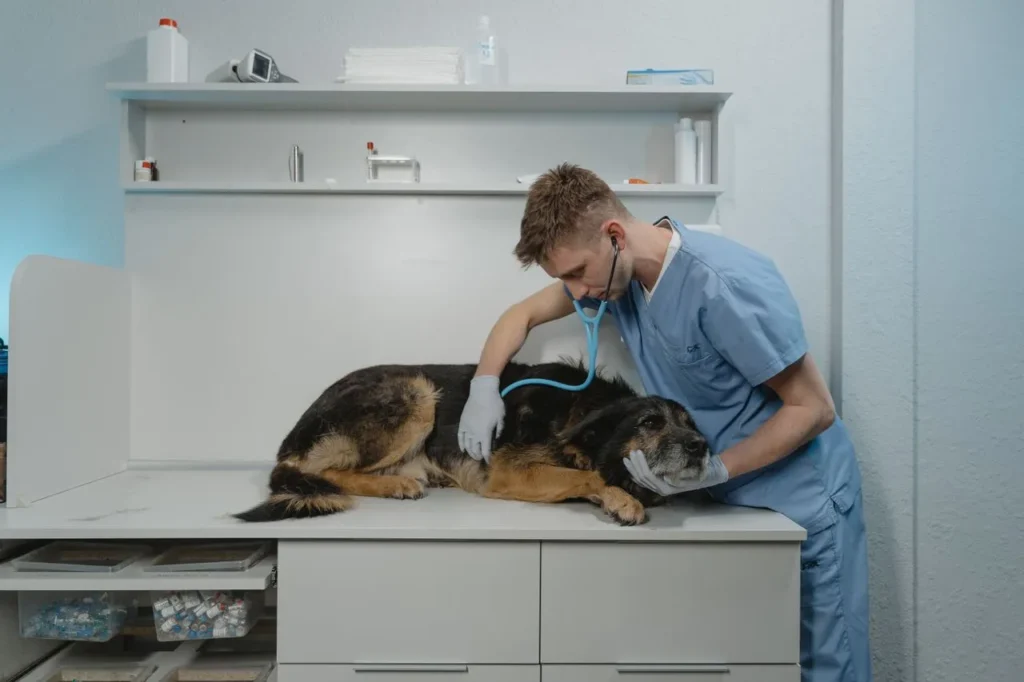
Symptoms by Body System
Sometimes it helps to think in categories rather than a long list. Here’s a quick system-by-system breakdown.
Digestive Symptoms: vomiting, diarrhea, appetite loss, excessive drooling, bloating.
Respiratory Symptoms: coughing, heavy panting, wheezing, labored breathing.
Urinary Symptoms: increased thirst, increased urination, straining to urinate, blood in urine.
Skin Problems: itching, hair loss, redness, flaking, unusual odor.
Nervous System Symptoms: seizures, disorientation, wobbliness, sudden behavior changes.
Comparing Mild Symptoms vs. Serious Warning Signs
Not every symptom means an emergency, but knowing where the line is makes a real difference. Here’s a quick reference table.
| Symptom | Possible Minor Cause | When to Call the Vet Immediately |
| Vomiting | Ate too quickly | Multiple episodes, blood, weakness |
| Limping | Minor muscle strain | Unable to bear weight, severe pain |
| Diarrhea | Diet change | Blood, dehydration, lasts over 24 hours |
| Appetite Loss | Temporary stress | Refuses food for more than 24 hours or has additional symptoms |
How Veterinarians Diagnose Sick Dogs
If you do bring your dog in, here’s a general sense of what the diagnostic process might look like.
Physical Examination
The starting point for almost every visit — checking weight, temperature, heart rate, and overall body condition.
Blood Tests
Bloodwork can reveal organ function issues, infections, and metabolic conditions like diabetes, often before symptoms become obvious.
Urinalysis
Useful for detecting kidney problems, urinary tract infections, and diabetes.
Fecal Testing
Checks for intestinal parasites and certain infections.
X-Rays
Help identify issues with bones, joints, and some abdominal or chest abnormalities.
Ultrasound
Provides a more detailed look at internal organs, often used when bloodwork or X-rays raise questions.
Advanced Imaging
CT scans or MRIs may be used for more complex cases, particularly neurological or cancer-related concerns.
What You Should Do Before Visiting the Veterinarian
A little preparation can make your vet visit far more productive.
Monitor Symptoms
Note when symptoms started, how often they occur, and whether they’re getting better or worse.
Take Photos or Videos
A video of unusual limping, a seizure, or strange behavior can be more useful to a vet than any verbal description.
Record Eating and Drinking Habits
Track how much your dog is eating and drinking, and note any changes over the past few days.
Bring Medication Information
List any medications, supplements, or recent treatments, including dosages.

How to Prevent Illness in Dogs
Prevention is where you have the most control — and it’s where a lot of the biggest, most impactful changes are happening in 2026.
Annual Wellness Exams
Routine checkups catch problems before they become symptomatic, especially valuable for senior dogs.
Vaccinations
Staying current protects against several serious, preventable diseases.
Parasite Prevention
Flea, tick, and heartworm prevention matters more than ever given rising rates of tick-borne illness in many areas.
Proper Nutrition
A balanced, age-appropriate diet supports everything from coat health to organ function.
Weight Management
Given how common obesity is among dogs, maintaining a healthy weight is one of the single most effective ways to prevent chronic disease down the road.
Exercise
Regular movement supports joint health, cardiovascular health, and mental well-being.
Dental Care
Regular brushing and dental checkups help prevent one of the most common — and most overlooked — health issues in dogs.
Routine Blood Screening for Senior Dogs
For dogs over 7, periodic bloodwork can catch kidney disease, diabetes, and other age-related conditions early, often before any visible symptoms appear.
A few prevention habits worth building into your routine:
- Schedule yearly veterinary checkups
- Keep vaccinations current
- Use flea, tick, and heartworm prevention
- Feed a balanced diet
- Maintain a healthy body weight
- Brush teeth regularly
- Exercise daily
- Watch for changes in behavior
Frequently Asked Questions
How do I know if my dog is seriously sick?
Look at the combination of symptoms rather than any single one. A dog with lethargy, appetite loss, and vomiting together is a bigger concern than a dog who skipped one meal but otherwise seems fine. When in doubt, a call to your vet costs nothing but a few minutes.
What are the first signs of illness in dogs?
Behavioral changes usually come first — a shift in energy, mood, sleep, or appetite — often before any physical symptom appears.
When should I take my dog to the emergency veterinarian?
Any of the emergency signs listed earlier — difficulty breathing, seizures, collapse, bloody vomit or stool, severe bloating, poisoning symptoms, or inability to urinate — warrant an immediate trip.
Can dogs hide pain?
Yes, and they’re remarkably good at it. It’s an instinctual behavior, which is exactly why subtle changes matter so much.
Is loss of appetite always serious?
Not always — stress, travel, or a new food can cause a temporary dip. But appetite loss lasting more than 24 hours, or paired with other symptoms, should be checked out.
Should I monitor my dog’s temperature at home?
It can be a helpful data point if you’re already worried, but it’s not a substitute for a vet visit if your dog is showing other signs of illness.
Conclusion
Trust Your Instincts
You know your dog’s normal behavior better than anyone — better, honestly, than any checklist ever could. If something feels off, it’s worth paying attention to, even if you can’t quite name why.
Early recognition and prompt veterinary care can prevent many minor problems from becoming life-threatening. That’s really the heart of all of this: not fear, just attentiveness. The dogs who do best long-term tend to belong to owners who noticed the small stuff early and acted on it.
Make it a habit to check in on your dog’s daily patterns — appetite, energy, bathroom habits, sleep — and don’t skip the wellness visits, especially once your dog crosses into their senior years. It’s a small, steady investment that pays off in more good years together.