

Aging is not a disease. A gray muzzle, a longer afternoon nap, or a slightly slower walk around the block are normal parts of a dog’s later years. Still, many of the changes owners write off as “just getting old” are treatable medical problems: arthritis pain, dental disease, kidney changes, thyroid disorders, cognitive decline. Catching them early often makes the difference between a senior dog who is comfortable and engaged and one who is quietly struggling.
Veterinary medicine now treats senior care as proactive, individualized prevention rather than a response to illness after it appears. The American Animal Hospital Association (AAHA), whose 2023 Senior Care Guidelines shape much of current practice, emphasizes regular screening, nutrition that protects muscle, attentive pain management, cognitive health, home adaptations, and ongoing quality-of-life assessment. This guide covers each of those areas and explains what you can watch for at home and what to discuss with your veterinarian.
When Is a Dog Considered a Senior?
You may have heard that dogs become seniors at seven. That rule is easy to remember, but it doesn’t fit most dogs. A Great Dane and a Chihuahua age on very different timelines, and a single cutoff ignores that.
Senior Age Depends on Breed, Size, and Expected Lifespan
AAHA defines the senior life stage as roughly the last 25% of a dog’s estimated lifespan through the end of life. Because large and giant breeds generally have shorter lifespans, they reach this stage earlier. A giant breed with an expected lifespan of eight years may be a senior at six, while a small terrier expected to live 16 years may not reach that stage until 12.
Breed and size are only part of the picture. Genetics, lifelong body condition, activity level, and existing health problems all affect how quickly an individual dog ages. Two dogs of the same breed and age can differ considerably in stamina, mobility, and health.
Senior vs. Geriatric Dogs
You’ll sometimes see “senior” and “geriatric” used interchangeably, and veterinary terminology isn’t perfectly consistent. In practice, many veterinarians find it more useful to describe what a dog can do and how healthy it is than to rely on a label. A 13-year-old dog who still hikes, eats well, and has normal bloodwork needs a different plan than a 10-year-old with heart disease and limited mobility. Functional ability, medical status, and signs of frailty tell you more than a birthday.
An Overview of Senior Care Priorities
Before looking at each area in detail, this table summarizes where owners and veterinarians typically focus their attention.
| Health Area | What Owners Should Monitor | Veterinary Focus |
| Weight & nutrition | Weight, appetite, muscle loss | Body condition score (BCS), muscle condition score (MCS), diet assessment |
| Mobility | Stiffness, stairs, walking | Pain and orthopedic evaluation |
| Cognition | Sleep, confusion, behavior | Cognitive screening |
| Dental health | Eating changes, mouth discomfort | Oral exam and dental assessment |
| Internal health | Thirst, urination, energy | Bloodwork and urinalysis |
| Skin & lumps | New or changing masses | Measurement and diagnostic sampling |
Why Preventive Veterinary Care Becomes More Important With Age
Senior pets are now a large share of veterinary patients. AAHA reports that senior dogs and cats together make up about 44% of the pet population. That figure covers both species, but it shows how central aging-pet medicine has become.
Many conditions common in older dogs develop gradually. A dog can look healthy while early kidney disease, thyroid dysfunction, or high blood pressure progresses in the background. Regular screening creates a baseline, a record of what’s normal for your particular dog, so that meaningful changes stand out when they happen. A kidney value that is technically “within range” but has crept upward over three visits tells a very different story than a single result on its own.
How Often Should Senior Dogs See a Veterinarian?
AAHA recommends that senior dogs have a physical examination at least twice a year. Six months is a long time in an older dog’s life, roughly equivalent to several years for a person, and a lot can change between annual visits. Dogs with chronic conditions such as heart disease, diabetes, or kidney disease often need more frequent rechecks, and your veterinarian will set a schedule based on your dog’s health.
Bloodwork, Urinalysis, and Routine Screening
AAHA’s guidelines recommend a complete blood count (CBC), blood chemistry panel, and urinalysis every 6 to 12 months for senior dogs. Annual recommendations include:
- Blood pressure measurement
- Thyroid testing
- Heartworm testing
- Screening for tick-borne diseases
Additional tests, such as imaging, cardiac screening, or fecal testing, depend on breed, lifestyle, symptoms, and medical history. A retriever who swims in lakes and hikes in tick country has different risks than a small indoor dog, and a good diagnostic plan reflects that.
Don’t Dismiss New Symptoms as “Just Old Age”
This is one of the most useful habits a senior dog owner can develop. Changes in appetite, weight, thirst, urination, energy, behavior, mobility, or wound healing can all be signs of disease. Drinking more water, for instance, is a common early sign of kidney disease, diabetes, and certain hormonal disorders. Sleeping more can reflect pain. Irritability can come from dental disease or arthritis. When something changes, tell your veterinarian instead of assuming it’s an unavoidable part of aging.

Senior Dog Nutrition: Protect Weight and Muscle Mass
There is no single diet that suits every older dog. Energy needs, body composition, and health conditions vary widely, so feeding decisions should be individualized.
Calories Often Need Adjustment as Dogs Age
Maintenance energy requirements generally decline over a dog’s life, partly because older dogs tend to be less active. Many dogs gain fat in middle and early senior years if their portions stay the same. On the other hand, very old dogs and dogs with chronic disease often lose weight. The right calorie target depends on activity, body condition, and health status, and it may shift several times during the senior years.
Protein and Maintaining Lean Muscle
As dogs age, they commonly lose lean muscle and gain proportionally more fat. This muscle loss affects strength, mobility, balance, and resilience during illness.
For years, it was common advice to reduce protein for all older dogs. That isn’t an evidence-based rule for healthy seniors. Restricting protein without a medical reason can make muscle loss worse. Some conditions, including certain stages of kidney disease, may call for specific nutritional changes, but those decisions should come from your veterinarian based on test results, not from a dog’s age.
Body Condition Score vs. Muscle Condition Score
These two measurements answer different questions, and senior dogs need both.
Body condition score (BCS) mainly assesses body fat. Your veterinarian feels the ribs, looks at the waistline, and rates the dog on a scale, typically from 1 to 9.
Muscle condition score (MCS) assesses muscle mass by feeling areas such as the spine, shoulder blades, skull, and hip bones. The World Small Animal Veterinary Association (WSAVA) includes both scores in its nutrition assessment guidelines.
The distinction matters because a senior dog can hold the same weight on the scale while losing muscle and gaining fat. A 30-pound dog who weighed 30 pounds two years ago may look stable on paper but have noticeably weaker hindquarters and a thicker midsection. Only a hands-on assessment catches that shift.
Therapeutic Diets for Chronic Conditions
Veterinarians often use specially formulated therapeutic diets to manage conditions such as kidney disease, osteoarthritis, and some gastrointestinal or cardiac problems. These diets are designed for specific medical needs and are different from over-the-counter “senior” formulas, which vary considerably in calories, protein, and other nutrients. A bag labeled “senior” doesn’t tell you whether it’s the right food for your dog.
Maintaining Mobility and Managing Arthritis and Chronic Pain
Osteoarthritis is extremely common in older dogs, and dogs are good at hiding discomfort. Many owners notice that their dog has “slowed down” and assume it’s normal aging when the real cause is chronic pain.
Early Signs of Mobility Problems
Pain often shows up as small changes in routine rather than limping or crying. Watch for:
- Stiffness after resting that improves once the dog is moving
- Reluctance to climb stairs or jump into the car or onto furniture
- Hesitation before jumping
- Shorter or slower walks, or lagging behind
- Difficulty getting up from lying down
- A hunched posture or changes in how the dog sits
- Less interest in play
- Choosing new sleeping spots, often on softer or lower surfaces
- Licking at joints
Any of these deserves a conversation with your veterinarian, especially if it’s new or getting worse.
Exercise Is Still Important for Senior Dogs
Rest alone rarely helps arthritis. Regular, appropriate movement maintains muscle, supports joint function, helps control weight, and gives a dog mental stimulation. The key word is appropriate. An older dog with arthritis may do better with two or three shorter walks than one long one, and consistent daily activity is generally easier on joints than a quiet week followed by a strenuous weekend outing. Swimming, gentle hill walks, and controlled leash walking are options many veterinarians and rehabilitation therapists recommend, depending on the dog’s condition.
Modern Multimodal Pain Management
Current practice favors combining several approaches instead of relying on one pill. A multimodal plan might include:
- Pain-relieving medications chosen for the individual dog
- Weight management, since extra weight increases the load on arthritic joints
- Controlled, regular exercise
- Physical rehabilitation, such as therapeutic exercises or underwater treadmill work
- Changes to the home environment
Newer therapies have expanded the options. Belinempab (sold as Librela), an injectable monoclonal antibody that targets nerve growth factor, was approved by the U.S. Food and Drug Administration in 2023 to control osteoarthritis pain in dogs. Since approval, the FDA has required safety-related labeling changes in 2025 and recommends that veterinarians discuss potential adverse events with owners before each injection. That history is a good reminder that newer treatments need individual risk-benefit decisions. Ask your veterinarian about current safety information and how a therapy fits your dog’s overall health before starting it.
Make the Home Safer and Easier to Get Around
Medical treatment is only part of mobility care. The layout of your home can either support an older dog or make every day harder.
Improve Traction and Reduce Fall Risks
Hardwood, tile, and laminate floors are difficult for dogs with weak hind legs. Slipping is frightening, and it can cause injuries. Nonslip rugs or carpet runners along the dog’s usual routes help a great deal. Keep pathways clear of clutter, and consider baby gates at the top of stairs if your dog has balance problems or reduced vision.
Make Food, Water, Rest, and Toileting Accessible
Think about your dog’s daily route through the house. Is the water bowl on a different floor from where they sleep? Do they have to go down a steep set of steps to reach the yard? Putting water in more than one location, placing a supportive orthopedic bed in a quiet spot on the main floor, and making outdoor access easier can reduce strain and accidents. Some dogs with neck or back pain eat more comfortably from a slightly raised bowl, though this depends on the individual.
Consider Ramps and Mobility Assistance
AAHA lists ramps, carpet runners, supportive equipment, barriers, and accessible bedding among useful home modifications for senior pets. A ramp to the car or bed, a supportive harness with a handle to help a dog up stairs, and toe grips or booties for traction can keep an older dog independent longer. Your veterinarian or a rehabilitation professional can suggest equipment suited to your dog’s size and condition.
Daily Senior Dog Care Checklist
Short daily observations help you notice changes early:
- Monitor appetite and water intake.
- Watch urination and bowel habits.
- Observe walking, standing, stairs, and general mobility.
- Note unusual behavior or changes in sleep.
- Check for new lumps, swelling, or skin changes.
- Watch body weight and visible muscle loss.
- Keep up appropriate daily physical activity.
- Provide opportunities for sniffing and mental enrichment.
- Keep medications and treatments on schedule.
- Write down meaningful changes to discuss with your veterinarian.
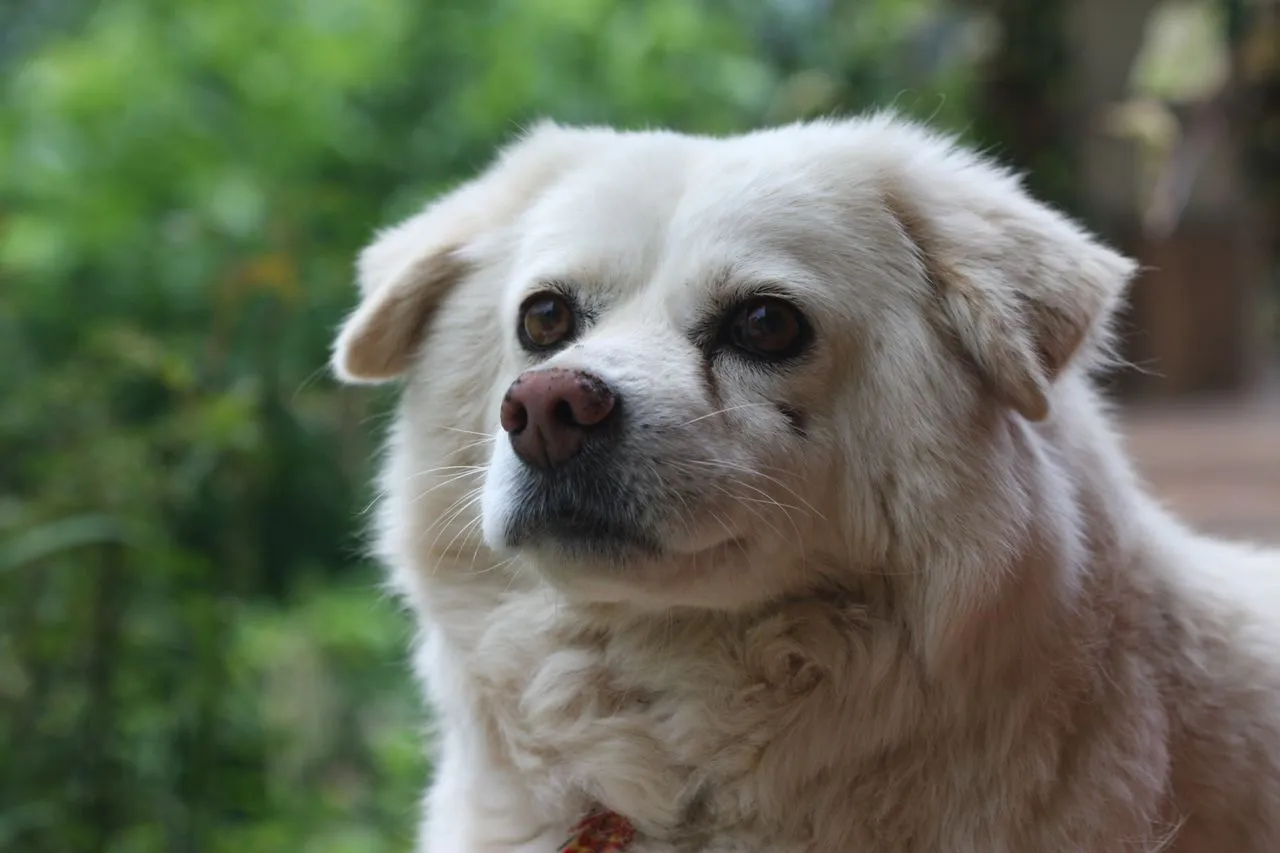
Protect Your Senior Dog’s Brain and Cognitive Health
Canine cognitive dysfunction (CCD) is an age-related neurodegenerative disorder that shares features with Alzheimer’s disease in people. It’s more than ordinary aging, and it deserves the same attention as physical health.
Signs of Canine Cognitive Dysfunction
Veterinarians often group signs into several categories:
- Disorientation: getting stuck in corners, staring at walls, standing at the hinge side of a door
- Changed social interaction: less interest in family members, or new clinginess
- Sleep-wake changes: restlessness, pacing, or vocalizing at night while sleeping more during the day
- House-soiling: accidents in a previously house-trained dog
- Changes in activity: aimless wandering or reduced interest in surroundings
- Anxiety: new fearfulness or separation distress
- Loss of learned behaviors: forgetting familiar cues or routines
How Common Is Cognitive Decline?
AAHA cites research estimating that roughly 14% to 22.5% of dogs older than eight experience age-related cognitive impairment. Prevalence estimates vary with the population studied and how cognitive decline is assessed, and many cases likely go unrecognized because early signs are subtle.
Mental Enrichment for Aging Dogs
Mental activity helps keep older dogs engaged. Useful options include:
- Sniff walks, where your dog sets the pace and explores smells
- Food puzzles and snuffle mats that make mealtime a problem to solve
- Short training sessions teaching simple new cues or tricks
- Gentle play matched to the dog’s physical ability
- Social time with familiar people and calm dogs
- Predictable routines, which help dogs with cognitive decline feel secure
Why Early Veterinary Evaluation Matters
Cognitive changes can look very similar to problems caused by pain, hearing or vision loss, metabolic disease, or other illnesses. A dog pacing at night might have CCD, or it might have arthritis pain that keeps it from settling. A thorough examination and appropriate testing rule out other causes before a CCD diagnosis. When CCD is present, intervention tends to be more helpful when started early, so don’t wait until signs become severe.
Dental Care Can Have a Major Impact on Comfort
Oral health is often treated as cosmetic, but dental disease causes real pain, infection, and difficulty eating.
Dental Disease Becomes More Important With Age
Periodontal disease, fractured teeth, and oral masses all become more common as dogs age. AAHA notes that periodontal disease incidence increases in older dogs and in smaller breeds, whose teeth are crowded into small jaws. Many dogs with significant dental pain keep eating, which is why problems are easy to miss.
Watch for Changes in Eating Behavior
Signs that deserve a veterinary look include:
- Chewing on one side of the mouth
- Dropping food or kibble
- Preferring soft food or avoiding hard treats
- Pawing at the face
- Bad breath that’s getting worse
- Drooling, sometimes with blood
- Swelling around the jaw or under the eye
Senior Dogs Still Need Professional Dental Evaluation
AAHA recommends an oral examination at every veterinary visit. Many owners worry that their dog is too old for a dental procedure under anesthesia. Age alone doesn’t make anesthesia unsafe. Your veterinarian will consider your dog’s overall health, bloodwork, and any heart or organ conditions when deciding whether and how to proceed. For many older dogs, treating painful dental disease noticeably improves comfort and appetite.
Common Health Problems to Watch for in Older Dogs
You don’t need to memorize a list of diseases. It’s more useful to recognize patterns and report them promptly.
Osteoarthritis and Chronic Pain
Changes in activity, gait, posture, willingness to exercise, and even social behavior can all reflect ongoing pain. A dog who stops greeting you at the door may be hurting rather than aloof.
Kidney, Liver, and Metabolic Disease
Increased thirst and urination, appetite changes, weight loss, and low energy are common signs of kidney disease, liver disease, diabetes, and hormonal disorders such as Cushing’s disease or hypothyroidism. Routine lab work often picks up abnormalities before these signs are obvious.
Heart Disease
Coughing, tiring quickly on walks, faster breathing at rest, fainting, or weakness can indicate heart disease. These signs call for a veterinary evaluation rather than a home diagnosis, because several conditions look alike.
Cancer and New Lumps
Cancer becomes more common with age. Many lumps in older dogs are benign fatty tumors, but you can’t tell by feel. AAHA advises measuring masses and evaluating them with diagnostic tests, typically a fine-needle aspirate, rather than simply waiting to see what happens. A simple habit helps: when you find a lump, note its location and size, and have it checked.
Vision and Hearing Changes
Many older dogs lose some vision or hearing. You can adapt by using hand signals, approaching a deaf dog where it can see you, and keeping furniture in consistent places for a dog with poor vision. Have new sensory changes evaluated, since some causes, such as certain eye conditions or ear infections, can be treated.
Vaccines and Parasite Prevention Still Matter
A common misconception is that older dogs no longer need preventive protection. Aging immune systems can make some infections harder to fight.
Vaccination Should Be Based on Individual Risk
Your veterinarian will consider your dog’s vaccination history, health, lifestyle, exposure risks, local disease patterns, and current vaccination guidelines. A senior dog who goes to daycare, boards, or travels has different needs than one who rarely leaves home.
Continue Appropriate Parasite Protection
Heartworm, fleas, ticks, and intestinal parasites don’t stop being a threat. AAHA recommends annual heartworm and tick-borne disease testing for senior dogs, with fecal testing based on lifestyle and preventive use. Keep up year-round prevention as your veterinarian recommends for your region.
Track Changes at Home Between Veterinary Visits
You see your dog every day. Your veterinarian sees them for a short time a couple of times a year, often while the dog is stressed. Home observations fill that gap.
Keep a Simple Senior Health Journal
A notebook or phone note works well. Record trends in weight, appetite, water intake, bathroom habits, medications, sleep, behavior, exercise tolerance, and mobility. Entries don’t need to be long. “Needed help getting in the car twice this week” or “Up pacing at 3 a.m. three nights in a row” gives your veterinarian concrete information.
Take Videos of Mobility Changes
Many dogs move differently at the clinic. Adrenaline can mask a limp, and a slippery exam-room floor tells little about how a dog handles stairs at home. AAHA recommends owner-recorded videos because they can reveal subtle musculoskeletal or neurologic problems that aren’t apparent during an exam. Short clips of your dog getting up, walking toward and away from you, climbing stairs, or showing an unusual behavior are extremely useful.
Measure Changes Instead of Relying on Memory
Memory smooths out gradual change. Weigh your dog regularly if you can, ask your veterinarian to show you how to assess body and muscle condition, and note how far your dog comfortably walks. Recording symptoms such as coughing episodes or nighttime restlessness makes trends much easier to see.
Know Which Changes Deserve Prompt Veterinary Attention
Changes That Shouldn’t Simply Be Blamed on Aging
Schedule a veterinary visit for:
- Appetite changes lasting more than a few days
- Unexplained weight gain or loss
- Noticeably increased thirst or urination
- Worsening mobility
- New or unusual behavior
- Recurring vomiting or diarrhea
- New or changing lumps
- Changes in breathing, such as coughing or faster breathing at rest
Recognize When a Situation May Be Urgent
Seek veterinary care right away for:
- Serious breathing difficulty
- Collapse or fainting
- Seizures
- Sudden severe weakness or inability to stand
- Significant trauma
- Straining without producing urine
- Persistent vomiting
- A swollen, tight abdomen, especially with restlessness or unproductive retching
- Any sudden, severe decline
Measure Quality of Life, Not Just Lifespan
Everything in senior care, from nutrition and pain control to enrichment and home adaptations, serves one goal: helping your dog have good days. AAHA emphasizes quality-of-life assessment as a core part of senior veterinary care.
Look at Good Days and Difficult Days
Think about appetite, comfort, mobility, interest in family, hygiene, restful sleep, enjoyment of favorite activities, and curiosity about the surroundings. Some owners keep a calendar and mark each day as good or bad. Over weeks, the balance becomes clear in a way that daily impressions can’t show, and it gives you something concrete to discuss with your veterinarian.
Build a Personalized Senior-Care Plan With Your Veterinarian
Work with your veterinarian to set priorities before a crisis. A plan might cover screening schedules, monitoring at home, treatment goals for chronic conditions, pain management, follow-up appointments, and what you’ll do if certain problems develop. Having these conversations early makes difficult decisions later feel less rushed.
Senior Dog Care Trends to Watch
Veterinary care for older dogs keeps evolving. Some approaches are now standard, while others are still developing.
Earlier Detection Through Routine Screening
The shift toward baseline testing and tracking results over time means problems are increasingly caught before obvious symptoms appear.
Greater Focus on Muscle Health and Frailty
Clinicians are paying more attention to muscle condition, functional ability, and frailty alongside weight and disease. How well a dog can stand, walk, and recover from illness is now seen as a central health measure.
Multimodal Osteoarthritis Treatment
Rehabilitation, weight management, environmental changes, conventional medications, and newer therapies are increasingly combined. Individual risk-benefit decisions remain essential, especially with treatments whose safety information is still being updated.
Cognitive Health and Environmental Enrichment
Brain health is getting routine attention alongside physical health. Enrichment and early evaluation are well supported. Evidence for many supplements and nutraceuticals marketed for cognitive health is still limited, so talk to your veterinarian before relying on them.
Frequently Asked Questions About Senior Dog Care
At what age is a dog considered senior?
There’s no single age. AAHA defines the senior stage as roughly the final 25% of a dog’s expected lifespan, so large and giant breeds usually become seniors earlier than small breeds.
How often should a senior dog go to the veterinarian?
At least twice a year for a physical exam, with more frequent visits if your dog has chronic health conditions.
Should senior dogs eat senior dog food?
Not necessarily. A “senior” label doesn’t guarantee a diet is right for your dog. The best choice depends on calorie needs, body and muscle condition, overall health, and any conditions that need nutritional management.
How much exercise does a senior dog need?
It varies with health, mobility, fitness, and breed. Consistent, moderate daily activity is generally better than occasional long outings. Your veterinarian can help set appropriate limits.
Is slowing down normal for an old dog?
Some slowing is normal, but reduced activity can also signal pain or illness. New or progressive changes deserve a veterinary evaluation.
How can I keep my senior dog’s brain active?
Sniff walks, food puzzles, short training sessions, gentle play, social time, and predictable routines all help keep an older dog mentally engaged.
Final Senior Dog Care Checklist
- Schedule veterinary exams at least twice a year.
- Keep up recommended bloodwork, urinalysis, and screening.
- Ask about both body condition and muscle condition.
- Adjust diet with your veterinarian as needs change.
- Watch for subtle signs of pain and treat them.
- Keep your dog moving with appropriate daily exercise.
- Add traction, ramps, and accessible resting spots at home.
- Provide daily mental enrichment.
- Include dental care in every visit.
- Have new lumps checked promptly.
- Continue vaccines and parasite prevention based on risk.
- Keep a health journal and record videos of changes.
- Track good days and difficult days.
Good senior care rests on early detection, prevention, comfort, and individualized veterinary guidance. The goal isn’t only a longer life. It’s helping your dog stay comfortable, capable, and engaged for as much of that time as possible.