Walk down the pet aisle, and you’ll find shelves crowded with oatmeal shampoos, whitening formulas, deodorizing sprays, medicated washes, and puppy-safe bottles promising tear-free baths. Every label claims to be gentle, effective, and exactly what your dog needs. None of them can all be right for every dog.
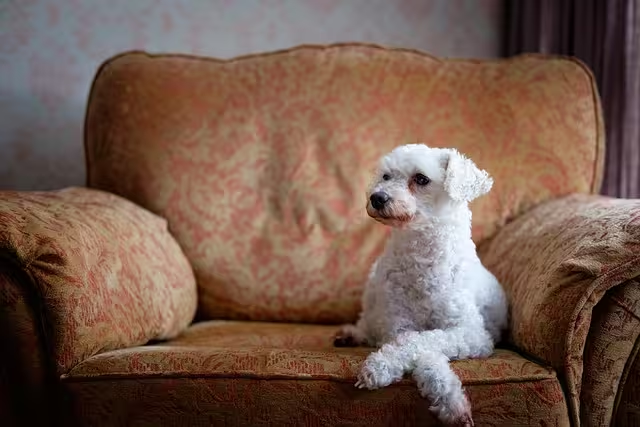
The truth is that there’s no single “best” dog shampoo. There’s only one shampoo that’s best for your dog’s specific skin, coat, age, and health status. A product that works beautifully for a healthy Labrador with a short coat might be completely wrong for a Bichon Frise with allergies or a senior dog recovering from a bacterial skin infection.
This guide walks through how to choose a shampoo, rather than guessing based on packaging or star ratings. You’ll find category-by-category breakdowns, a rundown of ingredients worth understanding, a practical bathing checklist, and the warning signs that mean it’s time to call a veterinarian instead of trying yet another bottle off the shelf.
What Makes a Dog Shampoo Safe and Effective?
Before comparing individual products, it helps to know what separates a genuinely good shampoo from one that’s just well-marketed. Four qualities matter more than brand name or fragrance.
It’s formulated specifically for dogs. Canine skin has a different structure and pH balance than human skin, and dogs generally have thinner, more delicate skin than most people realize. Human shampoos, body washes, and dish soap are formulated for a different skin chemistry entirely, and using them regularly can strip natural oils and irritate the skin barrier. Veterinary dermatologists consistently recommend sticking to products made and labeled for dogs.
It cleans without stripping. A shampoo’s job is to remove dirt, allergens, excess oil, and odor-causing bacteria while leaving the skin’s natural barrier intact. A shampoo that produces mountains of foam isn’t necessarily doing a better job — lather volume has more to do with the surfactant blend than cleaning power or gentleness.
It comes with clear labeling. Read past the front-of-bottle marketing. A trustworthy product lists its ingredients, states what it’s intended for, notes any age restrictions, and gives clear directions for dilution and use. If a shampoo makes medical claims — treating infections, killing parasites, curing allergies — it should back that up with specific active ingredients and usage instructions, not just a confident tagline.
It matches the dog in front of you. A mild everyday shampoo that’s perfect for a healthy adult dog isn’t the right choice for a ten-week-old puppy or a dog currently being treated for a diagnosed skin condition. The right shampoo depends entirely on context.
Best Types of Dog Shampoo by Need
Rather than ranking brands, it’s more useful to think in terms of categories built around what your dog actually needs. Here’s how the major types break down.
Best Everyday Shampoo for Healthy Dogs
For a dog with no skin issues, look for a mild, soap-free formula that rinses out easily and doesn’t leave an overpowering scent behind. These general-purpose shampoos are designed for routine maintenance — removing dirt, allergens picked up outdoors, and normal odor — without any therapeutic ingredients. Simplicity is the goal here, not a long ingredient list of trendy additives.
Best Shampoo for Sensitive Skin
Dogs with sensitive skin generally do best with fragrance-free, dye-free, hypoallergenic formulas. These products are built to minimize the chemical load on skin that reacts easily to irritants. Even so, “hypoallergenic” isn’t a regulated term with one fixed meaning, so it’s worth patch-testing a new product on a small area and watching for redness or itching over the following day before committing to a full bath. If irritation shows up, stop using the product immediately.
Best Shampoo for Dry or Itchy Skin
Moisturizing shampoos built around colloidal oatmeal, glycerin, ceramides, and aloe can soothe mild dryness and support the skin barrier. These ingredients work by drawing in moisture or replenishing lipids that keep skin flexible and comfortable.
That said, persistent itching is a signal worth taking seriously rather than a problem to shampoo away. Chronic scratching can point to environmental allergies, food sensitivities, fleas, or an underlying infection — conditions a moisturizing shampoo alone won’t resolve. If the itching continues for more than a couple of weeks despite a gentle bathing routine, a veterinary visit is the next step, not a different bottle of oatmeal shampoo.
Best Medicated Shampoo for Bacterial or Yeast Issues
Medicated shampoos occupy a different category entirely from cosmetic products. Chlorhexidine is commonly used for bacterial skin problems, while combination formulas containing chlorhexidine alongside miconazole or another antifungal are often used for yeast-related dermatitis. These aren’t products to reach for based on symptoms you’ve noticed yourself — they’re meant to treat a diagnosed condition, at a concentration and frequency your veterinarian recommends. Using the wrong medicated shampoo, or using the right one incorrectly, can dry out already-compromised skin without addressing the underlying problem.
Best Puppy Shampoo
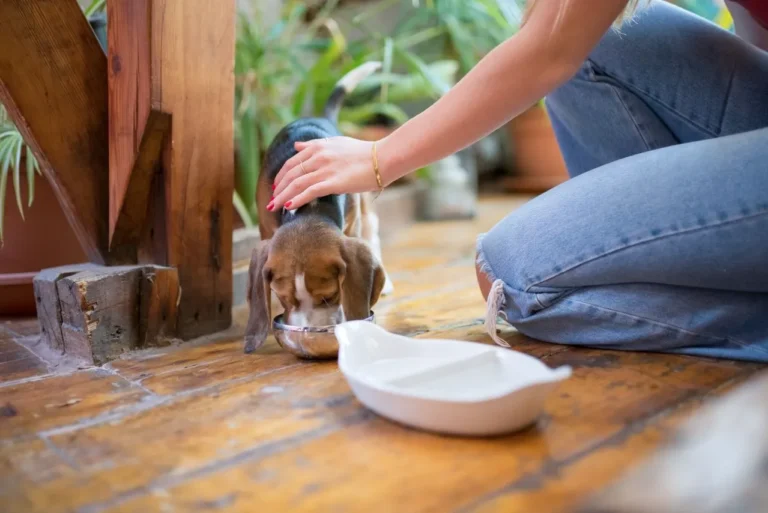
Puppies need shampoos formulated specifically for young, still-developing skin — mild, tear-conscious, and easy to rinse thoroughly. Check the label for a minimum age recommendation before use. Beyond the formula itself, early bath experiences shape how a dog feels about grooming for life, so keeping the water comfortably warm, the process calm, and the session short pays off well beyond puppyhood.
Best Shampoo for Odor
Ordinary “dog smell” is normal. Persistent, strong odor that returns quickly after bathing usually isn’t something a stronger fragrance should mask — it’s often a sign of oily skin, an ear infection, dental disease, anal gland issues, or a bacterial or yeast overgrowth on the skin. A mild cleansing shampoo can help in the short term, but if the smell keeps coming back, the more useful step is figuring out what’s actually causing it.
Best Deshedding Shampoo
Deshedding formulas condition the coat and help loosen the dead undercoat, making brushing afterward more effective. What they can’t do is stop normal seasonal shedding, which is driven by daylight length and hormones, not the shampoo you use. If shedding suddenly increases or becomes patchy, that’s a different situation — see the section on warning signs below.
Best Shampoo for White or Light Coats
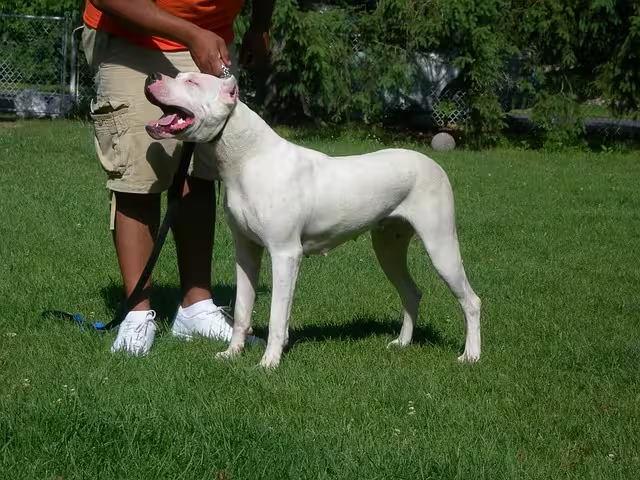
Whitening shampoos typically rely on optical brighteners or gentle stain-removing ingredients to keep light coats looking crisp. Be cautious of anything marketed as a “bleaching” or heavy-duty stain remover, since these can be harsh on skin. Appearance should never take priority over comfort — a slightly duller white coat is a much smaller problem than irritated skin.
Best Waterless or No-Rinse Shampoo
Foams, sprays, and dry shampoos are useful for spot cleaning, travel, cold weather, senior dogs who tire easily, or situations where a full bath isn’t practical. They’re a convenient supplement, not a full replacement for a proper wash — they generally don’t remove heavy dirt or deeply embedded allergens the way water and rinsing do.
Best Flea and Tick Shampoo
Flea shampoos can kill parasites present on the dog at the time of the bath, but most offer little to no residual protection once the dog dries off. If ongoing flea or tick prevention is the goal, a shampoo shouldn’t be the centerpiece of the plan — talk with a veterinarian about a complete, year-round prevention strategy instead.
Dog Shampoo Comparison by Skin and Coat Concern
| Dog’s Need | Shampoo Type or Key Ingredients | Best Suited For | Important Caution |
| Routine cleaning | Mild, dog-specific cleansing shampoo | Healthy skin and coat | Avoid unnecessary heavy fragrance |
| Sensitive skin | Fragrance-free, dye-free, hypoallergenic | Dogs prone to irritation | “Natural” doesn’t guarantee hypoallergenic |
| Dry or itchy skin | Oatmeal, glycerin, ceramides, conditioners | Mild dryness or vet-approved allergy care | Persistent itching needs evaluation |
| Dry or itchy skin | Veterinary chlorhexidine formula | Diagnosed bacterial skin conditions | Follow concentration and contact-time directions |
| Yeast concerns | Miconazole, ketoconazole, or a combination | Diagnosed yeast dermatitis | Use under veterinary guidance |
| Heavy shedding | Conditioning or deshedding shampoo | Double-coated, seasonally shedding dogs | Doesn’t stop medically caused hair loss |
| Puppy care | Mild puppy-specific shampoo | Young dogs | Check the minimum age on the label |
| Spot cleaning | Waterless foam or spray | Travel and quick cleanup | May not remove heavy dirt or allergens |
Ingredients Worth Understanding
Not every ingredient means the same thing for every dog. Context matters more than the presence of any single item on a label.
Colloidal oatmeal. A well-established soothing ingredient for mild dryness and sensitivity. Its presence alone, though, doesn’t guarantee the complete formula will work for every itchy dog — the rest of the ingredient list and the dog’s specific condition still matter.
Humectants and skin-barrier ingredients. Glycerin, ceramides, fatty acids, and similar conditioning agents help reduce moisture loss and can improve how manageable the coat feels afterward. These are generally low-risk additions to a gentle formula.
Chlorhexidine and antifungal agents. These have real therapeutic value in carefully selected medicated shampoos, but the concentration and how long the product stays in contact with the skin matter far more than simply spotting the ingredient name on the label.
Benzoyl peroxide and salicylic acid. These can help with degreasing, flushing hair follicles, and managing certain seborrheic or scaling conditions. They’re also drying, which means they aren’t a good default choice for a dog without a specific reason to use them.
Conditioners and detangling agents. Useful for long, curly, or tangle-prone coats. If a product isn’t specifically labeled as leave-in, rinse it out completely — residue left in the coat is a common cause of post-bath itching.
Marketing Claims Worth a Second Look
Some of the most common label language tells you less than it seems to.
Heavy fragrance and added dyes. Strong perfumes can irritate sensitive skin and often just mask odor rather than addressing what’s causing it. For dogs prone to reactions, fragrance-free is usually the safer default.
Essential oils and botanical extracts. “Plant-based” and “natural” don’t automatically mean gentle or safe. Concentration, the specific plant involved, and individual sensitivity all affect whether a botanical ingredient causes a reaction — some essential oils can be genuinely irritating or even toxic to dogs at the wrong concentration.
Vague “chemical-free” or “non-toxic” claims. Every ingredient in every shampoo, including water and oatmeal, is technically a chemical. These phrases are marketing shorthand rather than useful safety information. A clear ingredient list and honest directions tell you far more than a buzzword on the front label.
Human shampoo, dish soap, and homemade mixtures. These can strip natural oils and irritate skin that’s already compromised, and homemade recipes lack the consistent formulation of a commercial product. If you’re ever without dog shampoo and need something in a pinch, it’s worth calling your vet’s office for guidance rather than improvising.
Products claiming to treat everything. Be skeptical of any single shampoo that promises to fix allergies, infections, parasites, odor, and shedding all at once. Real medical claims are backed by specific active ingredients at specific concentrations, not a long list of buzzwords on one bottle.
The FDA draws a distinction between products meant purely to cleanse or beautify a pet and products that claim to prevent or treat disease. If a shampoo makes drug-like claims without clear directions, ingredient concentrations, or supporting evidence, that’s worth noticing.
How to Choose the Best Shampoo: A Practical Checklist
Before buying, run through these questions:
- Does my dog have healthy skin, or an active skin problem?
- Is the product specifically formulated and labeled for dogs?
- Is it appropriate for my dog’s age?
- Does the formula address the actual concern, rather than just masking it?
- Are the ingredients and directions clearly listed?
- Does it require dilution or a specific contact time on the skin?
- Has my veterinarian recommended a particular medicated ingredient or bathing schedule?
Start with the main concern. Is this about routine cleaning, dryness, sensitivity, odor, coat conditioning, or treating a diagnosed condition? That answer narrows the field immediately.
Factor in age, coat, and lifestyle. Puppies, seniors, double-coated breeds, long or curly coats, frequent swimmers, and dogs who spend a lot of time in mud or pollen all have different needs.
Read the full label, not just the front. Usage instructions, warnings, active ingredients, minimum age, and dilution requirements tell you far more than the marketing copy above the barcode.
Compare cost per bath, not just bottle price. A concentrated shampoo that costs more upfront may still be cheaper per use if it requires diluting a small amount into several cups of water. Factor in bottle size, dilution ratio, and whether a separate conditioner is needed.
Use reviews for practical details, not medical claims. Customer reviews are genuinely useful for gauging scent, lather, how easily a product rinses out, and whether the bottle leaks in shipping. They’re not a substitute for veterinary evidence when it comes to treating an actual skin condition.
How Often Should You Bathe a Dog?
There’s no single universal schedule — bathing frequency depends on coat type, activity level, skin condition, and whether a veterinarian has prescribed a treatment plan.
Healthy dogs generally need bathing when they’re visibly dirty, noticeably odorous, or due for coat maintenance. Some dogs do fine with baths every few months; active or long-coated dogs may need them more often.
Dogs with allergies may benefit from more frequent, veterinarian-directed bathing to physically remove allergens from the skin and coat. The right frequency depends on the specific shampoo and the broader treatment plan.
Medicated bathing schedules can be considerably more frequent than routine bathing — sometimes several times a week during an active treatment period. Following the prescribed contact time and rinsing thoroughly matters as much as the frequency itself.
Signs of over-bathing include increasing dryness, dandruff, redness, a dull coat, and itching that shows up after — not before — a bath. If that’s happening, the shampoo itself may be part of the problem, even if the bathing schedule seems reasonable on paper.
How to Bathe a Dog Correctly
Prepare first. Brush out mats and loose fur before wetting the coat, gather towels ahead of time, check the dilution directions on the bottle, and use a non-slip surface in the tub.
Wet thoroughly with lukewarm water. Dense or double coats take longer to soak through than they look like they would. Avoid hot water and avoid spraying directly at the face or ears.
Apply and work the shampoo in. Dilute concentrated products as directed, and work the shampoo down to the skin rather than just lathering the surface of the coat — that’s where the actual cleaning and any therapeutic effect happen.
Respect the contact time. Everyday shampoo can typically be rinsed once it’s worked through the coat. Medicated shampoos often need to sit on the skin for a specific period — some antifungal protocols call for around ten minutes — so check the label and follow your veterinarian’s instructions rather than guessing.
Rinse until the water runs completely clear. Leftover shampoo is one of the most common causes of post-bath itching and flaking. Pay extra attention to dense coats, skin folds, armpits, the groin, and between the toes.
Dry safely. Towel dry thoroughly, and if using a dryer, keep it at a comfortable temperature and a reasonable distance from the skin. Thick coats and skin folds need extra attention to avoid staying damp, which can encourage bacterial or yeast growth.
Common Mistakes to Avoid
Choosing shampoo based on scent alone. Fragrance says nothing about cleaning ability or suitability for your dog’s skin. If odor is the actual concern, it’s worth figuring out what’s causing it rather than picking the strongest-smelling bottle on the shelf.
Using medicated shampoo without a diagnosis. Antibacterial, antifungal, degreasing, and keratolytic ingredients aren’t interchangeable, and using the wrong one can dry out the skin or delay proper treatment for whatever’s actually going on.
Ignoring dilution and contact-time instructions. Too concentrated increases the risk of irritation; rinsing too soon can undercut the product’s effectiveness entirely.
Leaving shampoo in the coat. Incomplete rinsing is one of the most common and most avoidable reasons dogs itch after a bath.
Switching products repeatedly without figuring out the cause. Constant experimentation makes it harder to identify what’s actually irritating your dog’s skin and can delay diagnosis of allergies, parasites, hormonal issues, or infection.
Assuming “natural” means risk-free. Botanical extracts and essential oils can still cause irritation or allergic reactions in some dogs.
When Shampoo Isn’t Enough
A good shampoo supports skin health — it doesn’t replace veterinary care when something more serious is going on. Watch for:
- Possible infection: persistent redness, odor, greasy skin, crusting, sores, recurring bumps, or itching that keeps getting worse despite gentle bathing.
- Allergies or parasites: repeated paw licking, seasonal itching patterns, ear problems, visible flea debris, or irritation around the base of the tail.
- Sudden or patchy hair loss: this can point to infection, parasites, hormonal disease, nutritional issues, or other underlying conditions that need a proper diagnosis.
- Reactions after bathing: if redness, swelling, marked itching, or visible discomfort show up after a bath, rinse the dog thoroughly, stop using that product, and contact a veterinarian if symptoms are significant or don’t resolve quickly.
None of these are problems a different shampoo will solve on its own.
Where the Market Is Headed
The pet care industry has grown substantially — U.S. pet ownership and spending have both climbed in recent years, and the grooming products category has expanded alongside it, with manufacturers investing more in skin-barrier science and premium formulations. A few trends are worth understanding, mostly so you can tell genuine innovation apart from repackaged marketing.
Skin-barrier and microbiome-focused formulas built around ceramides, lipid complexes, and postbiotics are a growing category in veterinary dermatology. The science behind these concepts is promising, but the quality of any individual product still depends on the full formulation and how a specific dog responds to it.
Concentrated and sustainably packaged products — refill systems, shampoo bars, and concentrates — are becoming more common as brands reduce plastic use. These require careful attention to dilution and storage to work as intended.
Waterless grooming products continue to gain popularity for convenience, though they’re genuinely best treated as a supplement to regular bathing rather than a full substitute.
Premium, human-beauty-inspired pet care is an expanding market segment, but expensive packaging and appealing scents aren’t evidence of better performance or safety. Price and branding are not substitutes for a clear ingredient list and evidence of suitability for your dog’s actual skin.
Frequently Asked Questions
What’s the best dog shampoo for regular use? A mild, dog-specific, easy-rinsing formula suited to your dog’s age and skin type. For sensitive dogs, fragrance-free and hypoallergenic options are usually the safer starting point.
Is oatmeal shampoo good for every dog? It can soothe mild dryness and sensitivity, but it isn’t a treatment for infection, parasites, or significant allergies.
Can I use baby shampoo on my dog? Dog-specific shampoo remains the safer routine choice, especially for dogs with sensitive or already-compromised skin.
What shampoo should I use for a dog that smells bad? Start with a mild cleansing formula, but also investigate the underlying cause. Odor that keeps returning quickly often points to something beyond what shampoo alone can fix.
Is medicated shampoo safe for regular bathing? It depends on the active ingredients, the diagnosis behind it, and the prescribed schedule. It shouldn’t automatically replace everyday shampoo for routine bathing.
Does deshedding shampoo actually stop shedding? No — it can loosen dead undercoat and make brushing more effective, but it doesn’t stop the normal seasonal shedding cycle.
Should I use conditioner after shampoo? It can help long, curly, dry, or tangle-prone coats, as long as it’s dog-safe and used according to its directions.
How can I tell if a shampoo is irritating my dog? Watch for increased scratching, redness, flaking, restlessness, or excessive licking after a bath. If those signs persist, stop using the product and consider a veterinary visit.
The Best Shampoo Is the One That Fits Your Dog
Choosing a dog shampoo comes down to a fairly simple hierarchy: figure out what your dog actually needs, pick a formula made specifically for dogs, favor clear and appropriately mild ingredients over strong fragrance or bold marketing, and follow the directions on the bottle. Medicated products belong in the routine only when a specific, diagnosed condition calls for them.
If your dog is dealing with recurring itching, persistent odor, unexplained hair loss, redness, or signs of skin infection, that’s a conversation for your veterinarian — not a reason to try yet another bottle off the shelf. The right shampoo can genuinely support healthy skin and a comfortable coat. It just can’t replace an actual diagnosis when something more is going on.