

Walk down the dog food aisle these days, and you’ll notice something has shifted. Bags of kibble still dominate the shelf space, but tucked among them are smaller, denser packages promising something different: meat that’s been gently air-dried rather than blasted with heat, extruded, or frozen. If you’ve been hearing more about air-dried dog food from your vet, your dog-owning friends, or your own late-night research spiral, you’re not imagining things. This category has quietly become one of the fastest-growing corners of the pet food industry, and for good reason.
This guide breaks down exactly what air-dried dog food is, why it’s earning so much attention, how it stacks up against kibble, freeze-dried, fresh, and raw diets, and how to figure out whether it’s the right fit for your own dog.
What Is Air-Dried Dog Food?
Air-dried dog food sits in an interesting middle ground. It’s not raw, it’s not kibble, and it’s not quite freeze-dried either — though people often confuse the last two. It’s a distinct processing method that aims to preserve as much of the food’s original nutritional character as possible while still giving it a shelf-stable, easy-to-store final form.
How the Air-Drying Process Works
The process starts with fresh, raw ingredients — usually meat, organs, and sometimes fruits or vegetables — that are gently mixed and then exposed to a slow, low-temperature airflow over an extended period, often many hours. Unlike kibble, which is cooked at high heat and high pressure through an extrusion process, air-drying never reaches temperatures high enough to alter the protein structure or destroy heat-sensitive nutrients fundamentally. The result is a food that looks a bit like jerky or a dense, chewy nugget rather than a crunchy pellet.
Because moisture is removed slowly and thoroughly, the finished product is shelf-stable without refrigeration, yet it retains a texture and aroma much closer to the original raw ingredients than anything that’s been through an extruder.
How It Differs from Traditional Kibble
Kibble is created through extrusion: ingredients are ground, mixed with water, and forced through a machine under intense heat and pressure before being puffed into their familiar shape and dried. That process is efficient and affordable, but it also cooks out a portion of the natural nutrients, which manufacturers then replace with synthetic vitamin and mineral premixes. Air-dried food skips that high-heat step entirely, which is the central selling point for owners who want something closer to a “whole food” experience for their dog without committing to a fully raw diet.
Why More Dog Owners Are Switching
The appeal isn’t just nutritional. Air-dried food is easier to store and handle than raw or fresh food — no freezer required — while still offering the higher meat content, stronger aroma, and better palatability that picky eaters often respond to. For owners who’ve considered raw feeding but felt nervous about the safety and logistics of handling raw meat at home, air-dried food offers a lot of that appeal with a fraction of the hassle.

Why Air-Dried Dog Food Is Growing in Popularity
The numbers back up what pet stores are seeing on their shelves. The global air-dried pet food market was valued at roughly $2.8 billion in 2025, and it’s projected to grow at a 10.2% compound annual growth rate through 2034, potentially reaching $6.7 billion by the end of that period. Within that category, air-dried chicken formulas for dogs alone are expected to hit $730.6 million in 2026. Dogs currently make up around 70% of demand in premium air-dried protein categories, driven by both higher rates of dog ownership globally and a growing number of veterinarians recommending novel-protein diets for dogs with sensitivities. Even the broader dry pet food market, expected to top $52 billion in 2026, shows that premium formats are steadily chipping away at kibble’s dominant market share.
Premium Nutrition Trends
A big driver here is simply that pet owners are spending more, and spending more intentionally. Dog food purchases increasingly mirror the same values people apply to their own grocery shopping: less processing, recognizable ingredients, and a clear connection between what’s in the bag and where it came from.
Pet Humanization
Dogs have moved from the backyard to the bedroom, figuratively and often literally. As dogs are treated more like family members than property, owners naturally want to feed them the way they’d want to feed any family member — with attention to quality, not just cost per pound.
Cleaner Ingredient Lists
Air-dried formulas tend to have short, straightforward ingredient lists dominated by actual named meats rather than long strings of by-products, fillers, and chemical preservatives. For owners who’ve started reading labels the way they read their own food packaging, that simplicity is a major selling point.
Convenience Compared with Raw Feeding
Raw feeding requires a dedicated freezer, careful portioning, and diligent kitchen hygiene to manage bacterial risk. Air-dried food delivers a similar nutritional philosophy — high meat content, minimal processing — without any of that logistical overhead. You scoop it from a bag, just like kibble.
Nutritional Benefits of Air-Dried Dog Food
Higher Protein Content
Because air-dried recipes are typically built around 80–95% meat, organs, and other animal-based ingredients, the protein content per calorie tends to run considerably higher than in most kibble formulas, which rely more heavily on carbohydrate-based fillers to hold their shape.
Better Nutrient Retention
The low-temperature process means heat-sensitive vitamins, enzymes, and amino acids are less likely to be degraded during manufacturing. While air-dried food still typically includes added vitamins and minerals to meet complete-and-balanced standards, more of the food’s naturally occurring nutrition survives the process intact.
Less Processing
For owners specifically trying to avoid heavily processed food, air-drying is about as far from extrusion as you can get while still producing something shelf-stable. There’s no puffing, no high-pressure cooking, and none of the industrial machinery associated with mass-market kibble production.
Natural Flavor
Because the ingredients aren’t cooked at high heat, they tend to retain more of their natural smell and taste. This is a major reason air-dried food performs so well with picky eaters and senior dogs whose appetite may have declined — the food simply smells and tastes more like meat.
Smaller Serving Sizes
Thanks to its concentrated nutrient and calorie density, air-dried food is typically fed in smaller portions than kibble. A little goes a long way, which can offset some of the higher per-pound cost, since owners generally use less of it per meal.

Air-Dried vs Other Dog Food Types
With so many premium formats competing for shelf space, it helps to see them side by side.
Air-Dried vs Kibble
Kibble wins on cost, shelf life, and convenience at scale. Air-dried wins on ingredient quality, nutrient retention, and palatability. For many owners, the decision comes down to budget versus how much they’re willing to prioritize processing method.
Air-Dried vs Freeze-Dried
These two are the most commonly confused, since both are shelf-stable and both aim to preserve the qualities of raw food. Freeze-drying removes moisture through a vacuum process at very low temperatures, which can preserve nutrients even more thoroughly than air-drying, but freeze-dried food often requires rehydration before serving and tends to come at a steeper price point. Air-dried food is typically ready to serve straight from the bag and has a chewier, denser texture.
Air-Dried vs Fresh Dog Food
Fresh dog food — the kind delivered frozen or refrigerated in pre-portioned packs — is cooked gently but still requires refrigeration or freezer space. Air-dried food offers a shelf-stable alternative with a similar “whole food” philosophy, though fresh food is usually cooked (not raw) and can have an even higher moisture content.
Air-Dried vs Raw Diets
Raw diets offer the least processing of all, but they come with real handling risks, the need for careful sourcing, and a significant commitment to freezer space and meal prep. Air-dried food captures much of raw feeding’s nutritional appeal in a format that’s dramatically easier and safer to manage at home.
| Food Type | Advantages | Disadvantages |
| Air-Dried | High meat content, no refrigeration needed, strong palatability, minimal processing | Higher cost per pound, calorie-dense (easy to overfeed) |
| Kibble | Affordable, long shelf life, widely available, easy to store in bulk | More heavily processed, often higher in carbohydrates and fillers |
| Freeze-Dried | Excellent nutrient retention, shelf-stable, close to raw nutrition | Often requires rehydration, typically the most expensive option |
| Fresh Dog Food | High moisture content, gently cooked, easy to digest | Requires refrigeration or freezer space, shorter shelf life |
Common Ingredients Found in Air-Dried Dog Food
Meat Sources
Most air-dried formulas lead with a single named muscle meat — chicken, beef, lamb, or a novel protein — as the first and dominant ingredient, often making up the vast majority of the recipe by weight before drying.
Organ Meats
Liver, kidney, and other organ meats show up frequently, since they’re naturally rich in vitamins, minerals, and amino acids that mirror what a dog would eat in the wild if it were consuming a whole prey animal.
Fruits and Vegetables
Many formulas round out their nutrient profile with small amounts of produce — think blueberries, pumpkin, spinach, or sweet potato — added more for micronutrients and fiber than as a primary calorie source.
Healthy Fats
Fish oil, flaxseed, and other fat sources are common additions, supporting coat health, joint function, and overall energy without relying on low-quality rendered fats.
Functional Supplements
It’s increasingly common to see air-dried recipes fortified with probiotics for gut health, omega-3 fatty acids for skin and coat, and glucosamine or chondroitin for joint support — turning a basic meal into something closer to a daily wellness routine.

Health Benefits for Dogs
Better Digestion
The high digestibility of minimally processed animal protein, combined with probiotic additions in many formulas, tends to support smoother, more consistent digestion for a lot of dogs.
Healthier Skin & Coat
Omega-3 fatty acids and high-quality animal fats are strongly associated with a shinier coat and reduced skin irritation, and air-dried formulas often deliver these in a more bioavailable form than heavily processed alternatives.
Increased Energy
With protein and fat making up a larger share of total calories, many owners report noticeable improvements in their dog’s energy levels and stamina after switching to a more meat-forward diet.
Muscle Maintenance
High-quality, concentrated protein supports lean muscle mass, which matters at every life stage but becomes especially important for aging dogs at risk of muscle loss.
Improved Palatability
Because the natural aroma and flavor of the meat survive the drying process largely intact, air-dried food tends to be a hit even with notoriously picky eaters.
Which Dogs Benefit Most?
Puppies
Growing puppies have high energy and nutrient demands, and the concentrated protein and nutrient density of air-dried food can support healthy development — provided the specific formula is labeled complete and balanced for growth.
Adult Dogs
For healthy adults, air-dried food offers a way to support lean muscle, stable energy, and overall vitality through everyday feeding.
Senior Dogs
Older dogs often experience a decline in appetite or dental comfort. The strong aroma and softer, chewable texture of air-dried food can make mealtime more appealing for dogs who’ve grown bored with or physically struggle with kibble.
Active Dogs
Working and highly active dogs burn through calories quickly, and the calorie-dense nature of air-dried food means they can get what they need without eating unreasonably large portions.
Dogs with Sensitive Stomachs
Many air-dried formulas are built around limited-ingredient recipes with a single novel protein, making them a popular option for dogs managing food sensitivities or chronic digestive issues.
Potential Drawbacks
Higher Cost
There’s no getting around it — air-dried food costs noticeably more per pound than conventional kibble, largely due to its high meat content and more labor-intensive processing method.
Calorie Density
The flip side of smaller serving sizes is that it’s easy to overfeed if you’re used to scooping kibble-sized portions. Careful measuring matters more here than with lower-calorie-density foods.
Storage Considerations
While shelf-stable, air-dried food should still be kept in a cool, dry, airtight container to preserve freshness, it generally doesn’t last quite as long once opened as kibble does.
Transition Period
Because the nutrient profile and texture differ substantially from kibble, dogs sometimes need a gradual transition to avoid digestive upset — sudden switches are rarely a good idea with any major diet change.
How to Choose the Best Air-Dried Dog Food
Read the Ingredient List
Look for a named meat as the very first ingredient, and be wary of vague terms like “meat meal” or “animal by-product” without further specificity.
Check Protein Sources
Make sure the protein source is clearly identified and, ideally, appropriate for your dog’s needs — whether that’s a familiar protein like chicken or a novel one for dogs managing allergies.
Look for Complete & Balanced Nutrition
Confirm the food meets recognized nutritional adequacy standards for your dog’s life stage, not just an appealing ingredient list.
Consider Your Dog’s Life Stage
Puppies, adults, and seniors all have different nutritional requirements, so choose a formula specifically labeled for your dog’s stage of life.
Evaluate Company Transparency
Reputable brands are typically upfront about ingredient sourcing, where the food is manufactured, and how to properly transition and feed their product.
When comparing options, keep an eye out for:
- Meat listed as the first ingredient
- Named animal protein sources
- Minimal fillers
- Appropriate fat-to-protein ratio
- AAFCO nutritional adequacy statement
- Transparent ingredient sourcing
- Suitable calorie content for your dog’s activity level
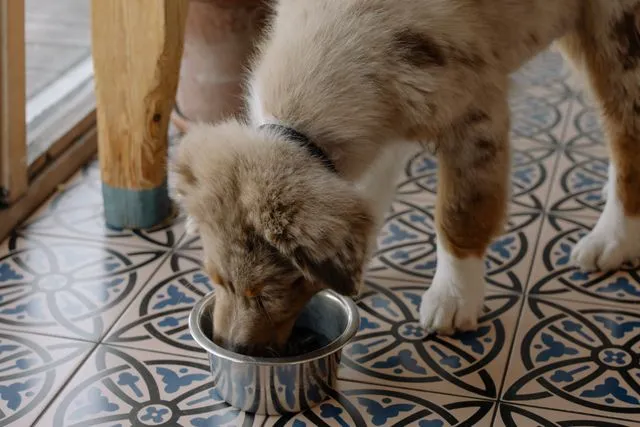
Transitioning Your Dog to Air-Dried Food
Recommended Transition Schedule
A gradual transition over seven to ten days is generally the safest approach: start by mixing a small amount of the new food with your dog’s current diet, then slowly increase the ratio each day until the switch is complete.
Monitoring Digestion
Keep an eye on stool consistency, appetite, and energy levels throughout the transition. Mild, temporary digestive adjustment is common, but ongoing issues are worth discussing with your vet.
Adjusting Portion Sizes
Because air-dried food is more calorie-dense than kibble, don’t assume a cup-for-cup swap. Check the feeding guidelines on the bag and adjust based on your dog’s weight, activity level, and body condition.
Frequently Asked Questions
Is air-dried dog food healthier than kibble?
It depends on your priorities. Air-dried food generally offers higher meat content and less processing, but “healthier” ultimately comes down to whether a specific formula meets your individual dog’s nutritional needs.
Can puppies eat air-dried food?
Yes, as long as the specific formula is labeled complete and balanced for growth or all life stages. Always check the label rather than assuming any air-dried product is puppy-appropriate.
Can air-dried food replace raw diets?
For many owners, air-dried food serves as a more convenient stand-in for raw feeding, offering similar high-meat nutrition without the handling and storage challenges of true raw diets.
How long does air-dried food last?
Unopened, air-dried food typically has a shelf life of many months to a year, similar to kibble. Once opened, it should be sealed tightly and used within the timeframe recommended on the packaging.
Is air-dried dog food worth the price?
For owners prioritizing ingredient quality and minimal processing, many find the higher price worth it, especially since smaller portion sizes offset some of the added cost.
Conclusion
Who Should Consider Air-Dried Dog Food?
Air-dried dog food makes the most sense for owners who want to feed something closer to a whole-food, high-meat diet without taking on the full commitment of raw feeding. It’s a strong option for picky eaters, dogs with sensitivities, and owners simply looking to upgrade from conventional kibble.
Key Takeaways for Choosing the Right Formula
Prioritize named meat sources, check for complete and balanced nutrition claims, match the formula to your dog’s life stage, and don’t underestimate how quickly the calorie density adds up when portioning meals.
Future Outlook for Air-Dried Dog Food in 2026 and Beyond
With the category projected to keep growing well into the next decade, expect to see more novel proteins, more functional add-ins like probiotics and joint supplements, and continued competition between air-dried and freeze-dried brands as both chase the same health-conscious, ingredient-savvy pet owner. As premiumization continues reshaping the pet food industry, air-dried food looks well positioned to remain one of its standout growth stories.